Traveling Japan with kids is a completely different script from a couples’ trip. Whether you can push a stroller onto the train, where nap time fits, where the nursing rooms are, that under-6s ride trains free, that you can forward your luggage to the next hotel by courier — these are what actually decide whether the trip is a joy or a shared meltdown. This is the nationwide family overview: how to plan by three age bands (infants, pre-school, elementary), which cities and attractions give the best return and which to skip, plus the real mechanics of stroller access, changing tables, child fares, family rooms, insurance, and luggage forwarding — so you can finish reading and start planning. City deep-dives have their own guides; this one sets your direction.
- Plan by age: under-3s go deep on one city, pre-schoolers mix indoor/outdoor, elementary kids can handle the loop — don’t plan everyone the same
- Child fares are uniform: under-6 rides free, 6–11 half price, and most attractions are free or half for elementary and under
- Japan is hugely infant-friendly: baby rooms on every department-store floor; buy supplies on arrival
- Avoid train rush hours with a stroller: 7–9am and 5–7pm are unpushable; shifting an hour changes everything
- Luggage forwarding is the superpower: courier your suitcase ahead on transfer day and travel hands-free with kids
📖 Contents
- 1. Planning by age: infants / pre-school / elementary
- 2. The most kid-friendly cities and attractions
- 3. Stroller access and train rush hours
- 4. Nursing rooms, changing tables and baby supplies
- 5. JR child fares and the free age
- 6. Family hotels: family rooms and tatami
- 7. Luggage forwarding makes kids easier
- 8. Getting sick, clinics and insurance
- 9. A pace that won’t burn kids out
- 10. Age x city x attraction cheat sheet
- 11. FAQ
Planning by age: infants / pre-school / elementary
The most common family-planning mistake is handing kids the attractions the adults want, then packing the days to adult stamina. In reality your child’s age band dictates the whole approach — the pace, the city logic, everything. I split it into three stages, and the strategy for each is genuinely different.
Before sorting age bands, nail down which month to go — with kids you especially want to dodge peak-summer heat and the Golden Week / school-holiday crowds. Our best time to visit Japan guide compares the months on weather, crowds and family-suitability.
Infants (0–2): one city, fixed hotel, no moving
At this stage the real goal is "don’t exhaust the adults" — once the main caregiver burns out, the whole family’s mood collapses. My advice is firm: pick one city, go deep, keep one hotel, don’t drag luggage. Tokyo or Osaka both work because nursing rooms, changing tables and baby-supply restocking are densest there. Plan only 1–2 low-intensity outings a day (aquarium, indoor play, park, department store) and spend the rest back at the hotel for naps. Skip Shinkansen city-hopping — the movement itself is the drain. For under-1s still on milk and purees, a hotel microwave and a nearby supermarket matter more than any attraction.
Pre-school (3–6): mix indoor and outdoor, still protect naps
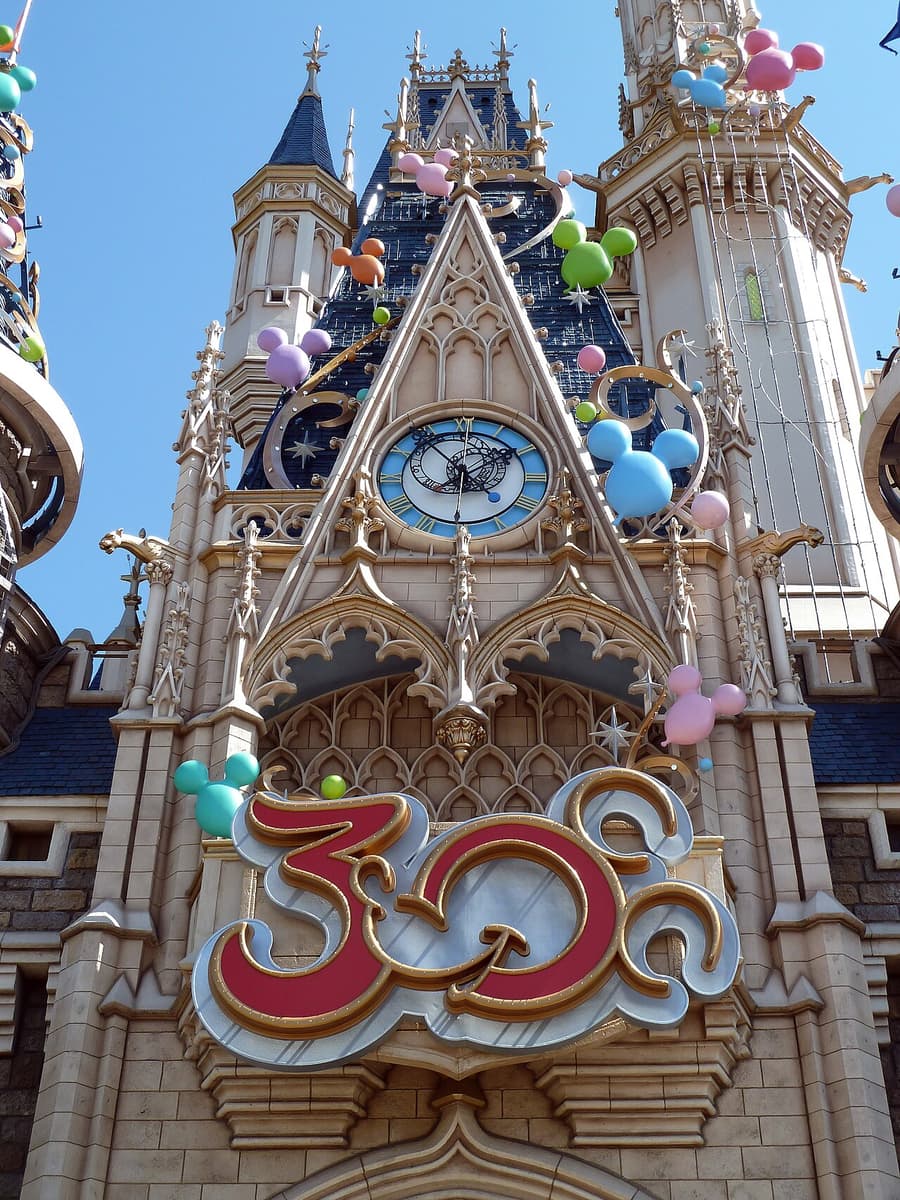
This is the golden age for family Japan — kids can walk, express themselves, and react most directly to animals and characters, but their stamina and emotions are still fragile and tend to crash by afternoon. The strategy: mix indoor and outdoor, one anchor attraction plus one easy backup per day, and always protect nap time (or downtime at the hotel). Zoos, aquariums, Disneyland, teamLab and the Anpanman Museum — things kids can see, touch and interact with — hit hardest. You can start adding a "Tokyo plus a day trip" or "Osaka plus Nara" pairing, but avoid changing hotels daily.
Elementary (7–12): go longer, push harder, let them help plan
By elementary age stamina and tolerance jump, so the Shinkansen city loop (Tokyo–Kyoto–Osaka) finally works, and kids can handle a full day at a theme park, hiking terraced fields, or cable cars. The biggest win here is "let the child help plan" — show them attraction photos, let them choose; the sense of ownership dramatically cuts whining on the road. USJ’s Super Nintendo World, Harry Potter area, the various railway museums, and skiing (winter) all fit. But remember: even older kids tire after three straight high-intensity days — slot an easy day in between.
The most kid-friendly cities and attractions
Not every popular city suits traveling with kids. I rank them on three axes — stroller-friendliness, attraction density, and ease of restocking — and I’ll say plainly which ones to skip.
Tokyo: the family-facility ceiling, best for first-timers
For a first trip with kids, Tokyo is my pick. It has the most complete infant facilities and the highest stroller-friendliness in Japan: Ueno Zoo, teamLab, Skytree plus Sumida Aquarium, Odaiba, and the Anpanman Museum (Yokohama, 30 minutes away), with the most rainy-day indoor backups too. Age-by-age attraction breakdowns, hotel districts and stroller station maps are in our full Tokyo with Kids guide.
Osaka + Nara: Universal Studios meets feeding deer
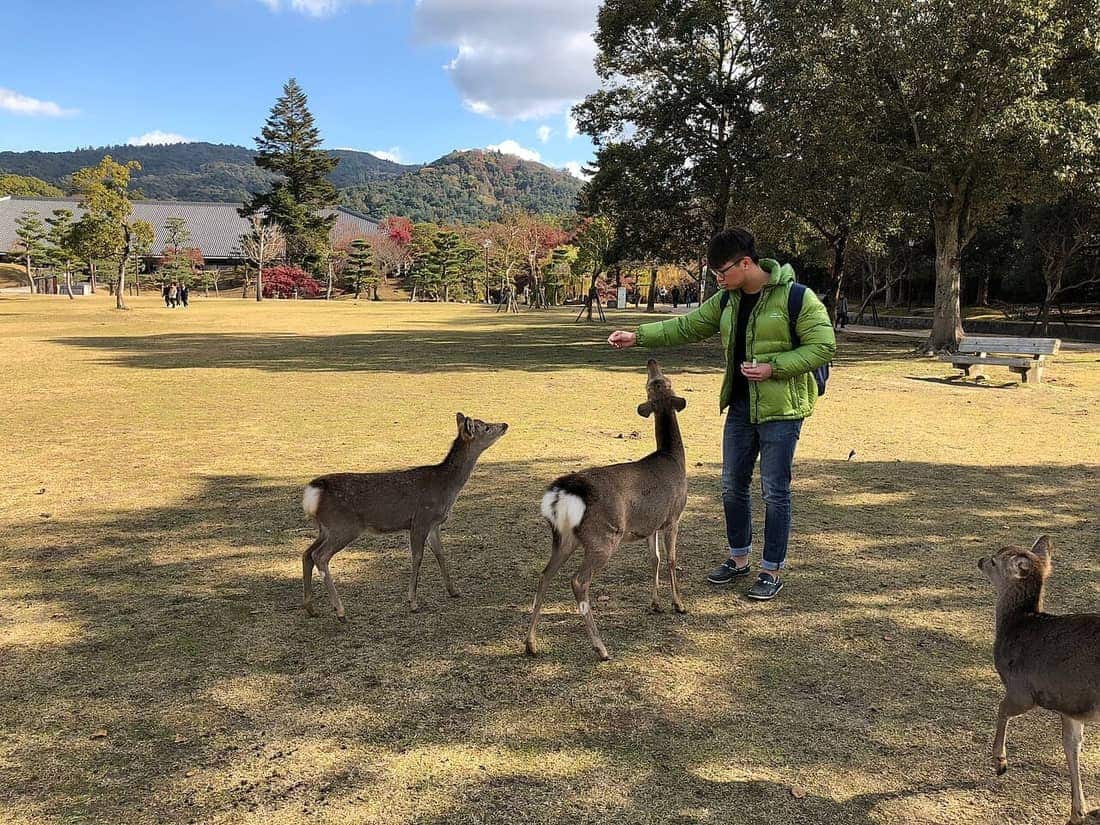
Kansai is the other strong family region. Osaka has USJ (elementary kids’ favorite); Nara is 30 minutes from Osaka or Kyoto and lets kids hand-feed over a thousand free-roaming deer — close to a dream scene for pre-schoolers — but a warning: Nara’s deer butt and grab, so adults must supervise the whole feeding. Nara logistics in our Nara day-trip guide.
Okinawa: aquarium plus beach, a resort pace that won’t exhaust
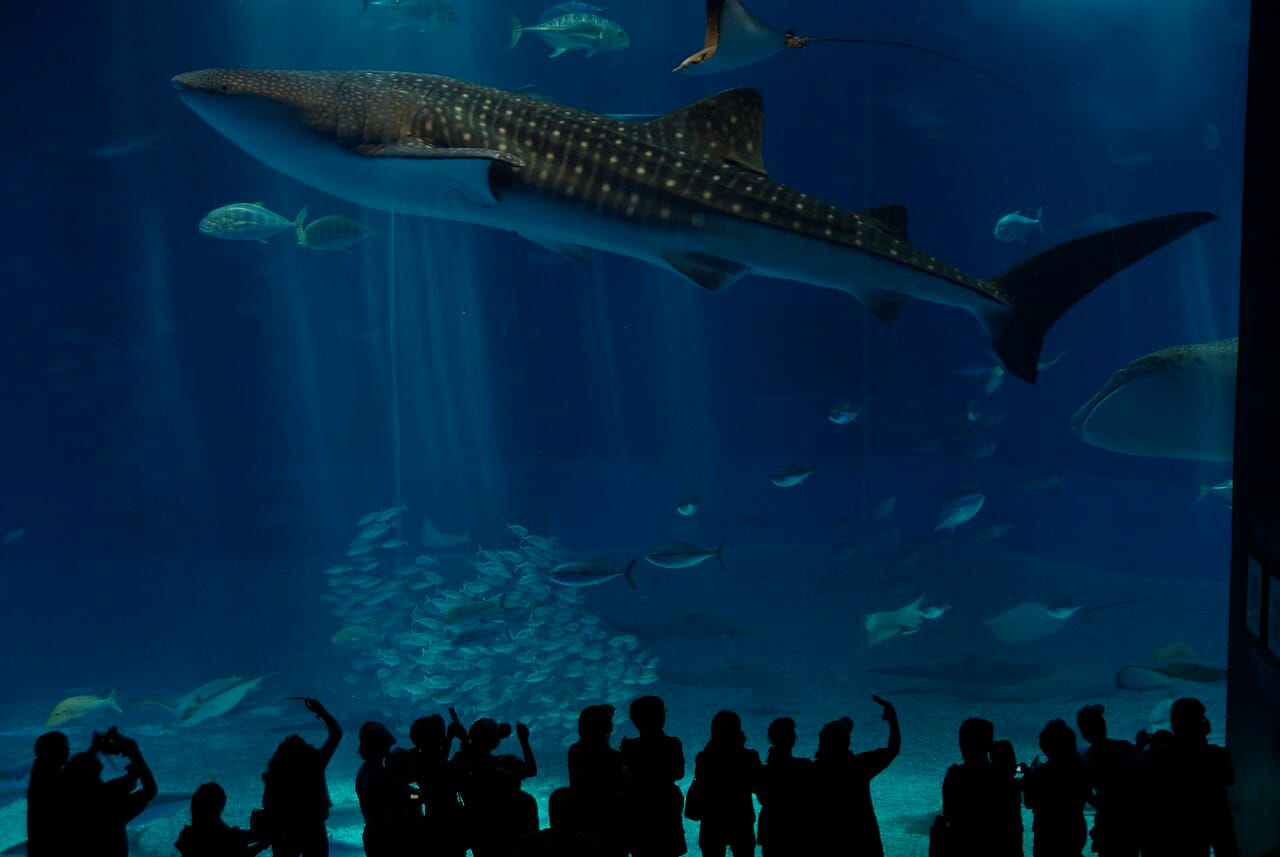
If you want a "slow, no-rush" family holiday, Okinawa is my top pick. The whale shark tank at Churaumi Aquarium (third largest in the world) is a near-universal crowd-pleaser across ages, and with beach time and self-driving (no packed trains), the overall rhythm is the friendliest for families. Adult admission ¥2,180, under-6 free. The catch: Okinawa requires a rental car — public transit is sparse and you’re stuck without one. Full northern-Okinawa plan in the Churaumi Aquarium and northern Okinawa guide.
Yokohama, regional zoos and railway museums: underrated family gems
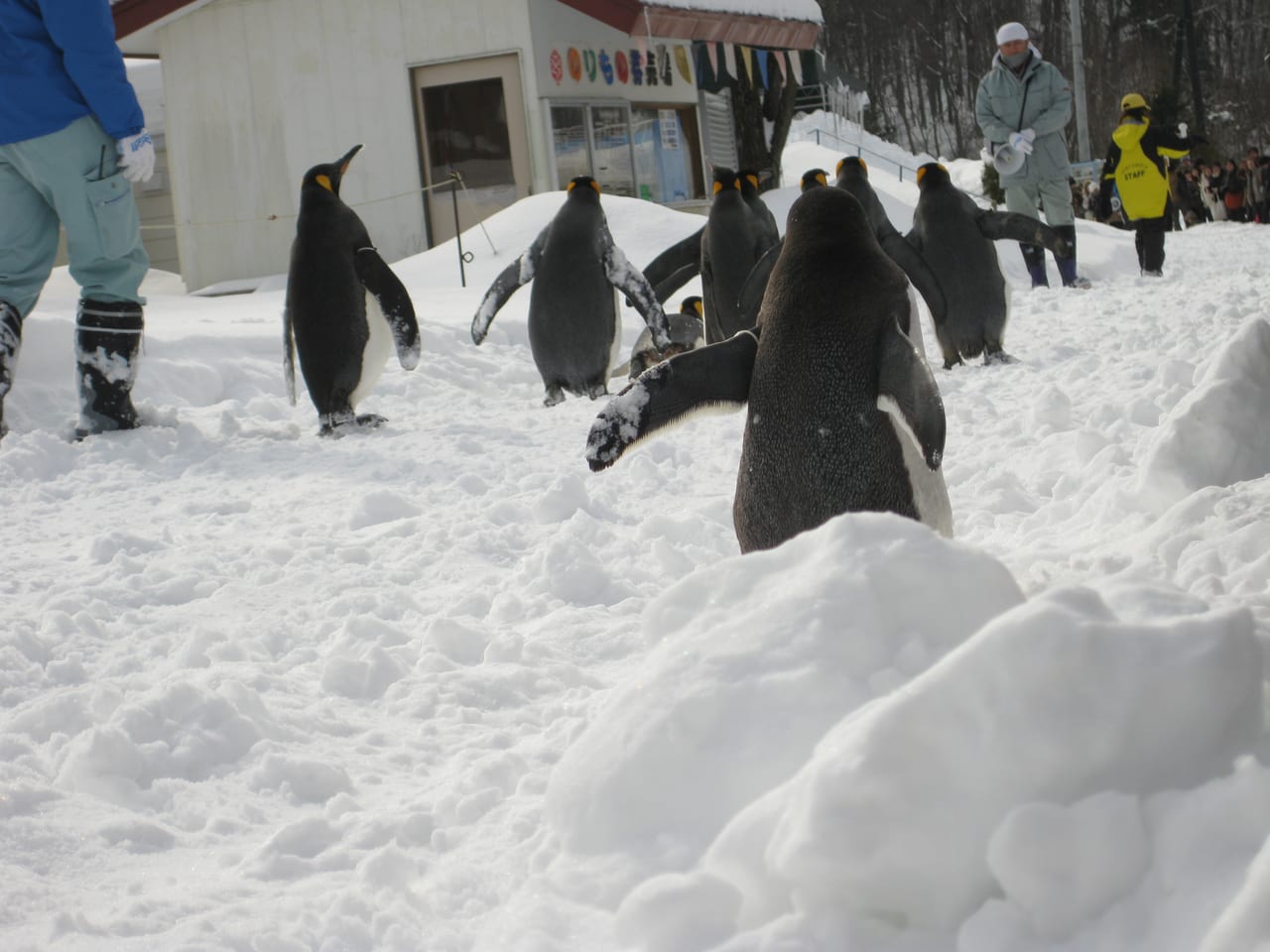
Beyond the big three, several attraction types are nationwide and superb value: zoos (Asahiyama’s penguin walk, Higashiyama, Tennoji), aquariums (Nagoya Port, Osaka Kaiyukan, Yokohama Hakkeijima), and railway museums (Omiya, Kyoto, the Nagoya SCMAGLEV) — lethal for train-obsessed kids. Yokohama also has the Anpanman Museum, where 2–5-year-olds lose their minds.
Honestly: skip these with little kids
Having an opinion means saying it. With toddlers (under 5), I skip: Koyasan and Miyajima-type World Heritage sites that need long static walking and climbing; the browse-heavy Kyoto temple clusters (kids bore fast); and crowded shadeless photo spots with long queues. Save these for when kids are older, or hand them to one adult on a solo turn — worth far more than dragging a crying child through them.
Stroller access and train rush hours
"Should I bring a stroller, and is it pushable?" is the most common family-Japan anxiety. Bottom line first: big Japanese cities are very stroller-friendly, but the devil is in rush hours and a few old stations.
Stroller access: big stations complete, old ones need checking
In Tokyo, Osaka, Nagoya and Fukuoka, major stations almost all have elevators (look for the "エレベーター" sign), and Shinkansen and main JR/subway cars are roomy — no problem getting a stroller in and out. The pain points: at complex transfer megastations (Tokyo Metro Omotesando, Asakusa) elevators are buried and require detours; some old private-rail stations have stairs only. Practical tip: when routing in Google Maps or Navitime, enable the accessibility/elevator option and map the elevator locations for each station you’ll pass that day. Wheelchair users use the same lookup with one extra layer — finding the elevator is not the same as knowing it is running today. See our accessible Japan guide for how to check.
Rush hours: avoid them with kids, no exceptions
I’ll underline this hard: weekday commuter rush — 7–9am and 5–7pm — is the single worst window to travel with kids. Trunk lines like the Yamanote or Midosuji pack so tight the stroller literally won’t fit, or jams in the doorway while your child is wedged between adults’ legs and bursts into tears. The fix is simple: shift your start by an hour — leave at 10am, be back by 4pm — and the carriage roominess differs tenfold, keeping the whole day calmer. This is exactly why the slow "one anchor attraction a day" family pace is actually easier.
Bring a stroller or rent?
My advice: bring your own lightweight (under 5kg) cabin-friendly stroller if it’s your regular one (the child’s used to it, always available). If you’d rather not haul it, Tokyo and Osaka hotels often arrange a heavier rental (some free, some ¥1,000–3,000/day), and theme parks and big department stores rent strollers on-site. teamLab, some restaurants and traditional markets (like Tsukiji) are stroller-unfriendly — use a carrier or let the child walk a stretch for those.
Nursing rooms, changing tables and baby supplies
This is the most reassuring part of family travel in Japan: it’s one of the most infant-friendly countries on earth, with facility density so high you don’t need to haul supplies from home.
Where to find baby rooms (ベビールーム)
Department stores are the most reliable base — nearly every floor has a "baby room / nursing room" with hot water, a changing table and a private nursing booth, and the well-equipped ones add a microwave, scale, and baby-food and diaper vending. Stations, airports, major attractions and big supermarkets (Aeon, Ito Yokado) are equally standard. To find one, search Google Maps for "授乳室" or "ベビールーム," or look for the baby icon on the store floor map. In a pinch, department-store info desks and drugstores will usually help too.
Baby supplies: cheapest to buy locally
Diapers, wipes, formula and baby food (shelf-stable pouches and jars) are everywhere at drugstores (Matsumoto Kiyoshi, Sundrug) and supermarkets, and the common brands are good and frequently discounted: diapers GOO.N, Pampers, Merries; formula Meiji, Morinaga, Wakodo; baby food Wakodo, Pigeon. Prices generally beat home, so there’s no need to ship cases over. What you actually pack is "the small, brand-specific items your child will protest swapping" (a particular pacifier, a comfort object) plus standard meds. Tax-free and drugstore shopping logic in our Japan essentials checklist.
Kids’ meals and eating out
Eating out is quite friendly for families with little ones: family restaurants (Gusto, Saizeriya, Joyfull) have kids’ menus, high chairs and cutlery; conveyor sushi, udon and gyudon shops are easy wins for kids; convenience stores and department-store basements (depachika) have ready-made baby food and soft dishes. For a proper restaurant, filter Tabelog or Hot Pepper for "子連れ OK (kids welcome)" and "個室 (private room)" to be safe.
JR child fares and the free age
Understanding child fares saves real money, and the rules are roughly uniform nationwide — just remember three lines:
- Under 6 (pre-school): free. No reserved seat, travels with an adult for free; one adult can bring up to two infants free, a third counts as a child. To assign an infant a reserved seat, you still buy a child ticket.
- Ages 6–11 (elementary): child ticket, about half adult. Applies to local, Shinkansen and limited express.
- 12 and up (junior high+): adult fare.
The nationwide JR Pass also has a child (6–11) fare at about half: a 7-day ordinary adult pass is ¥50,000, child roughly half. Whether to buy a pass depends on your inter-city mileage — pure Tokyo or Osaka city trips don’t need one, while looping the country or multiple Shinkansen legs make it worthwhile; break-even math is in our Japan trip cost breakdown. Most attractions (zoos, aquariums, parks) are also "free or half for elementary and under," so the child savings across a trip add up more than you’d expect.
Family hotels: family rooms and tatami
The hotel makes or breaks a family trip. Get the room type right and the child sleeps well, giving the adults room to breathe. The judgment points I consider most critical:
Favor tatami rooms (和室 / 和洋室)
With little kids I favor tatami rooms. The reasons are practical: futons straight on the floor, everyone sleeps together, no rolling off a bed, plenty of floor play space with no fall risk. Onsen ryokan tatami rooms suit families especially — a big communal bath, kaiseki meals where you can request kids’ portions, a complete experience. How to choose a ryokan in our onsen ryokan picks.
For business / chain hotels, check these
If you go Western-style, before booking confirm: elevator access to every floor (avoid stairs-only old guesthouses), can add a crib / bed rail, buffet breakfast (not leaving with kids to find food in the morning is the easiest win), plus a humidifier and washing machine (Japanese winters are dry and kids’ clothes need frequent washing). Many chains (Mitsui Garden, APA, Richmond) are consistent on these.
Location: quiet beats lively
With kids I choose "convenient but quiet at night" over "buzzing nightlife." In Tokyo, Ueno or Shinagawa over Kabukicho; in Osaka, Hommachi or Shin-Osaka over the noisy heart of Namba. Kids sleep early, and neon and crowd noise only wake them at midnight. Family rooms typically run ¥18,000–30,000/night for four (varying by city and season) — that’s a situational budget, go by your actual booking.
Luggage forwarding makes kids easier
If you take just one tip from this guide, I hope it’s this: use Japan’s luggage forwarding (takkyubin).
Japan’s takkyubin (Yamato, Sagawa and others) ships your big suitcase hotel-to-hotel, usually next-day, around ¥1,500–2,500 per piece. For families, this small spend buys "dignity on transfer day" — you only carry a daypack, hold your child’s hand, and push a stroller if needed, instead of wrestling a 26-inch case in one hand and a kid in the other through crowded trains and elevator queues. The process is simple: the hotel front desk fills the form, you pay and specify destination hotel and date — most hotels handle both sending and receiving.
Two more situations are handy: airport-to-hotel (forward the big case from the airport on arrival and ride the train into the city light) and hotel-to-airport (over-shopped on the way home? send the bags to the airport a day ahead). On a trip with kids, dropping one big bag stretches everyone’s patience a lot further.
Getting sick, clinics and insurance
No one wants a child sick on the road, but being prepared is the baseline of traveling abroad with kids.
Travel insurance with medical: mandatory
Be sure to buy travel insurance with overseas medical and treatment cover — this is not the line item to cut. Japanese care is excellent but foreigners pay out of pocket, and it isn’t cheap (a pediatric clinic visit easily tops ¥10,000; ER more). With insurance you won’t hesitate over cash when deciding whether to take your child in. Before you go, compile your child’s allergy history, usual meds, an insurance copy, policy and emergency contacts into one carry-on sheet.
How to get care
For daytime minor issues (fever, stomach, allergies) find a "小児科 (pediatric clinic)" — most take cash, and some big-city clinics have English or Chinese support. At night or on holidays use a hospital "救急 (ER)." Japan also has the #8000 child illness hotline (for when a parent isn’t sure late at night whether to go in), with foreign-language help in some areas. Drugstore OTC formulations differ from home, so pack enough familiar fever, anti-diarrhea, allergy and topical meds — in a crisis, the familiar is the safest. Full pre-departure checklist (insurance, Visit Japan Web) in our Japan essentials guide.
A pace that won’t burn kids out
The highest principle of all family planning is one line: less is more. The classic rookie failure is packing kids’ days to adult density — and ending with crying kids, bickering adults, a blown schedule and wasted money. The pace rules I find most effective:
- One anchor attraction per day: a morning highlight (park / zoo / aquarium), an afternoon left open or for a hotel nap, dinner nearby. Cramming 3–4 spots is the biggest rookie trap.
- No itinerary on arrival day: let kids adjust and beat jet lag — a walk near the hotel and an early night is enough.
- Keep an indoor backup: have one indoor spot each day (aquarium, museum, indoor play) to switch to when it rains or the kid hits the wall.
- Fixed nap window: toddler naps can’t be skipped; a forced-through afternoon is usually a disaster.
- Give the child something of their own: pick one daily anchor they look forward to (feeding deer, watching penguins, riding trains) so there’s a payoff when they whine.
Slow the pace and you actually go deeper, take better photos, and make sweeter memories. An itinerary that rushes the whole family into sour faces scores negative no matter how many attractions it hits. For an overall skeleton see our 7-day first-timer itinerary, then trim by your child’s age. Over-packing the schedule is one of the most universal first-trip traps; the other classics — wrong currency exchange, fumbling IC cards, underestimating transfer times — are collected in our first-timer mistakes in Japan guide, which parents should read first of all.
Age x city x attraction cheat sheet
The judgments above condensed into one table to plan against:
| Age band | Recommended cities | High-hit attractions | Watch out / skip |
|---|---|---|---|
| Infants 0–2 | Tokyo, Osaka (single city) | Aquariums, indoor play, parks, department-store baby rooms | Don’t change hotels or city-hop; nap-first; gauge by adult fatigue |
| Pre-school 3–6 | Tokyo, Osaka + Nara, Okinawa | Zoos, Disneyland, teamLab, feeding deer, Anpanman Museum | One anchor + nap daily; supervise deer feeding; skip walk-heavy temples |
| Elementary 7–12 | Loop OK: Tokyo–Kyoto–Osaka, Hokkaido | USJ Nintendo World, railway museums, skiing, cable cars, driving Okinawa | Some USJ rides have height limits; slot an easy day after 3 hard days |
| All ages | Okinawa (self-drive) | Churaumi whale shark, beach time | No car = stuck; slow pace, least tiring |
City deep-dives and age-by-age hotel and attraction detail: Tokyo in Tokyo with Kids, Nara in the Nara day trip, Okinawa in the Churaumi guide; for the two big parks, see Disneyland vs DisneySea and the USJ guide.
Frequently Asked Questions
- Q1:First time in Japan with a toddler — what itinerary do you actually recommend?
- I’ll be blunt: for a first trip with under-3s, go deep on one city rather than touring the country. The safest plays are "fly into Tokyo, stay 4–5 days" or "Osaka plus Nara, 4–5 days." Keep one hotel, don’t drag luggage, keep daily attraction density low, and protect nap time. The reason is practical: the three things toddlers melt down over are long-distance moves, hotel changes, and overpacked days — stack all three and you’re guaranteed tears. Save the classic Tokyo–Kyoto–Osaka Shinkansen loop for when kids are 4–5 and can walk and communicate. See Tokyo with Kids, and a slimmed-down version of our 7-day first-timer route.
- Q2:How do JR and train child fares work, and what age rides free?
- The age bands are roughly uniform nationwide: under 6 (pre-school) rides free (one adult can bring up to two infants free; a third counts as a child); ages 6–11 (elementary) pay a half-price child fare; 12 and up (junior high+) pay the adult fare. Note "infant free" means no reserved seat and travelling with an adult — if you want a dedicated reserved seat for a 5-year-old, you still buy a child ticket. The nationwide JR Pass child fare (ages 6–11) is about half the adult price: a 7-day ordinary adult pass is ¥50,000, child roughly half. Most attractions are also "free or half for elementary and under," so the savings add up fast.
- Q3:Are nursing rooms and changing tables easy to find in Japan?
- Japan is one of the most infant-friendly countries on earth. Nursing rooms (授乳室) and changing tables are everywhere: department stores have a "baby room" on nearly every floor with hot water, a microwave, changing tables and private nursing booths — some even have scales and baby-food vending machines. Stations, airports, major attractions and big supermarkets (Aeon, Ito Yokado) are equally equipped. So you don’t need to haul supplies from home: diapers, wipes, formula and baby food (jars and shelf-stable pouches) are sold at every drugstore and supermarket, and the common brands (Kao, Daio, Meiji, Wakodo) are good quality and frequently on sale. Bring only the small, brand-specific items your child refuses to swap.
- Q4:What if my child gets sick or hurt in Japan? Do I really need insurance?
- Yes — travel insurance with medical and overseas treatment cover is non-negotiable. Japanese healthcare is excellent but you pay out of pocket as a foreigner, and it isn’t cheap (a single pediatric clinic visit easily runs over ¥10,000; ER more). Without insurance, the cash pressure in the moment is real. In practice: for daytime minor issues find a "小児科 (pediatric clinic)," most take cash; at night or on holidays use a hospital "救急 (ER)," or call #8000 (Japan’s child illness hotline, some areas offer foreign-language support). Before you go, prep your child’s allergy history, usual meds, and policy number, and pack familiar fever/anti-diarrhea/allergy meds from home since drugstore formulations differ. Full prep list in our Japan essentials checklist.
- Q5:Is luggage forwarding (takkyubin) actually worth it for families?
- Hugely — it’s the hidden superpower of family travel in Japan. Japan’s takkyubin (Yamato and others) ships your big suitcase hotel-to-hotel, usually arriving next day, around ¥1,500–2,500 per piece. For families that buys you dignity on transfer day: you only carry a daypack, hold your child’s hand, and push a stroller if needed — instead of wrestling a 26-inch case in one hand and a kid in the other through crowded trains and elevator queues. Airports also offer "airport-to-hotel" and "hotel-to-airport" forwarding, a lifesaver on the way home when you’ve over-shopped. The hotel front desk handles it — fill a form, pay, done. Money very well spent.
- Q6:Tokyo Disney or Osaka Universal — which first with kids?
- It depends on age and temperament, and I won’t cop out with "both are great." Pre-school (2–6), I pick Tokyo Disneyland (not DisneySea) — more characters, the big parade, denser toddler-scale rides, stroller-friendly, excellent baby center; the reactions are the most immediate. Elementary and up, or kids who love thrills or Nintendo/Harry Potter, pick Universal Studios Japan (USJ) — Super Nintendo World is wildly interactive, but several rides have height limits (often 102–122cm), so very small kids are limited. Both use dynamic pricing: Disney adult ¥8,900–12,400(成人(動態定價)), USJ adult ¥8,400–11,900(成人(動態定價)), peaking on weekends and holidays. For the DisneySea vs USJ trade-off see Disneyland vs DisneySea and the USJ Express Pass guide.