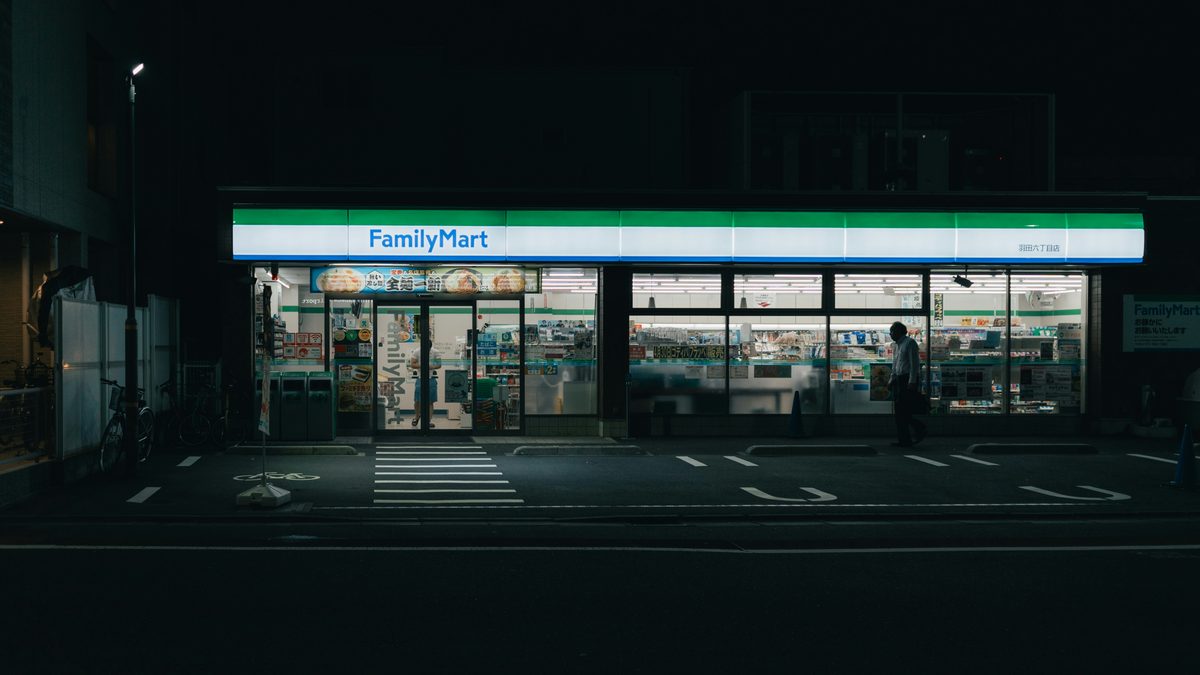
Japan's convenience stores aren't a "grab a bag of chips and a coffee" affair — they're the country's most efficient food infrastructure. A ¥150 onigiri at 7-Eleven is genuinely good food. A ¥350 Premium roll cake at Lawson rivals patisseries that charge double. A FamiChiki at FamilyMart has cult status for a reason. For first-time visitors, the konbini will be where you eat 30-40% of your meals — and that's not a fallback, it's by design. This guide walks through the three chains' real differences, the 50+ items worth seeking out across onigiri, bento, hot food, oden, snacks, drinks, and beauty, plus the payment tactics that save you from foreign-card fees and the 21:00 discount-sticker hack.
- Three chains, three strengths: 7-Eleven (onigiri + bento + coffee), Lawson (desserts + FamiChiki competitor), FamilyMart (FamiChiki fried chicken)
- Pay with IC card (Suica/Pasmo) — one-second tap, zero foreign-transaction fees
- Yellow discount sticker after 21:00: bento and onigiri 30-50% off, perfectly safe for next-day breakfast
- Region-exclusive KitKat + seasonal Pocky are the omiyage that justify the konbini detour
- Don't bother with tax-free at konbini — process is painful, save it for drugstores
📖 Article contents (click to expand)
- 7-Eleven vs Lawson vs FamilyMart — the real differences
- Onigiri (rice balls): 8 must-tries
- Bento + hot food: 12 must-tries
- Oden: a winter beginner's guide
- Snacks: 10 limited editions to grab
- Drinks: 8 Japan-exclusive picks
- Beauty + lifestyle: 5 small items worth buying
- Payment: IC card vs credit card vs PayPay compared
- The tax-free myth — can you actually claim at konbini?
- FAQ
7-Eleven vs Lawson vs FamilyMart — the real differences
| 7-Eleven | Lawson | FamilyMart | |
|---|---|---|---|
| Store count | 21,000+ | 14,500+ | 16,500+ |
| Flagship category | Onigiri, bento, coffee | Premium desserts, Lawson Store 100 | FamiChiki fried chicken |
| In-house coffee | SEVEN CAFE ¥110-180 | MACHI cafe ¥150-220 | FAMIMA CAFE ¥130-200 |
| Sub-brands | — | Natural Lawson (plant-based), Lawson Store 100 (¥100 everything) | FamilyMart Collection (private label) |
| Strongest coverage | Tokyo, Osaka, Kyoto everywhere | Strong in Kansai, dense in Tokyo | Kanto + Okinawa exceptionally dense |
Honest take: First-time visitors should try all three at least once — it's genuinely interesting how different they feel. 7-Eleven is the baseline, Lawson is where you go for dessert, FamilyMart is where you go for FamiChiki. If forced to pick one: 7-Eleven (broadest range, most consistent execution).
Onigiri (rice balls): 8 must-tries
Konbini onigiri runs ¥120-200. The plastic wrapper has a clever 3-step opening sequence — pull tab 1, slide film 2, peel section 3 — illustrated on the package. Eat at room temperature straight from the fridge for the best texture; microwaving makes the nori soggy.
- Mentaiko (spicy cod roe) ¥150: the gateway flavour for most Taiwanese and Western visitors. 7-Eleven's is the spiciest; Lawson's is the mildest.
- Sake (salmon) ¥140: classic, all three chains do it well.
- Tuna mayo (tsunamayo) ¥150: the #1 seller in Japan. FamilyMart's has the most mayo.
- Ume (pickled plum) ¥130: cheapest and most austere — perfect summer flavour.
- Konbu (kelp) ¥130: traditional, slightly umami — a grown-up flavour.
- Mentaiko cheese ¥180: 7-Eleven's signature limited edition.
- Yakiniku (grilled beef) ¥200: premium tier — actually substantial protein.
- Seasonal limiteds (cherry sea bream, chestnut, matsutake) ¥180-220: rotates every quarter — always worth a try.
Bento + hot food: 12 must-tries
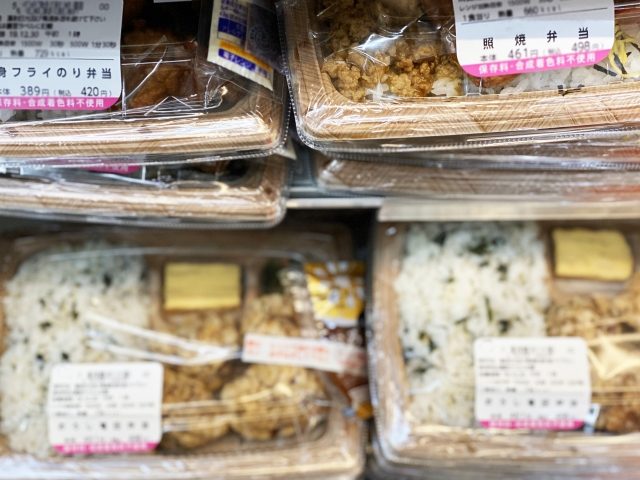
Bento (¥500-900 — clerk asks "atatamemasu ka", answer "hai")
- Karaage bento (fried chicken) ¥600: all three do it; FamilyMart has the largest pieces.
- Makunouchi bento (mixed Japanese) ¥700: fish + chicken + egg + pickles combo, a balanced classic.
- Yakiniku bento (grilled beef) ¥800: generous beef portion; 7-Eleven has the richest sauce.
- Tendon (tempura over rice) ¥700: 3-4 tempura shrimp with miso soup packet.
- Pasta bento ¥500: cold-pasta series — carbonara, tomato meat sauce.
Hot food counter (fried items ¥150-300, ordered at the register)
- FamiChiki (FamilyMart's fried chicken) ¥210: the cult item — must try at least once.
- 7-Eleven karaage ¥240: 5 pieces, Japanese soy-based seasoning.
- Lawson Karaage-kun ¥240: 4 pieces, multiple flavours (red = spicy, yellow = cheese).
- Nikuman (steamed pork bun) ¥150-180: winter staple, all three carry.
- Yakiimo (roasted sweet potato) ¥200-300: autumn/winter only, served piping hot in foil.
- French fries ¥200: FamilyMart's are the crispiest.
- American dog (corn dog) ¥150: corn-batter-wrapped fried hot dog.
Oden: a winter beginner's guide
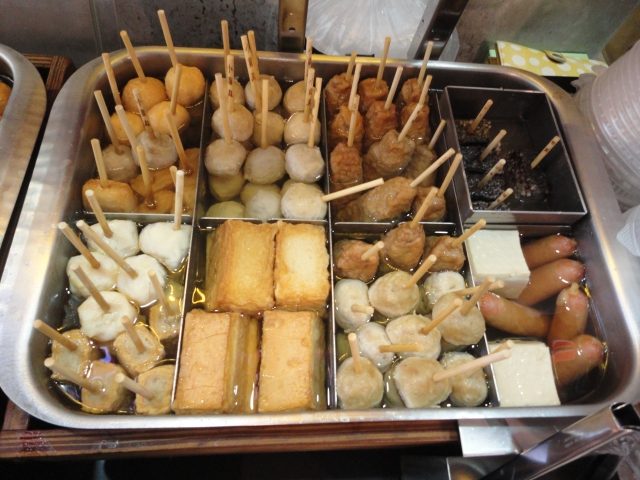
October through March only. A steel pot next to the register holds an array of items floating in dashi broth. You point, the clerk tongs each piece into a bowl with broth. ¥80-150 per piece:
- Daikon (white radish) ¥110: soaks up the broth — non-negotiable.
- Tamago (boiled egg) ¥80: salt-infused yolk, the comfort pick.
- Hanpen (white fish cake, rectangle) ¥130: spongey, broth-saturated.
- Konnyaku ¥80: low-calorie, triangular or knot-shaped.
- Ganmodoki (tofu pouch with vegetables) ¥120: crispy outside, soft inside.
- Tsumire (fish balls) ¥130: minced fish pressed into balls.
3-5 pieces + a hot matcha = ¥500-700. The perfect late-night or cold-weather warm-up.
Snacks: 10 limited editions to grab
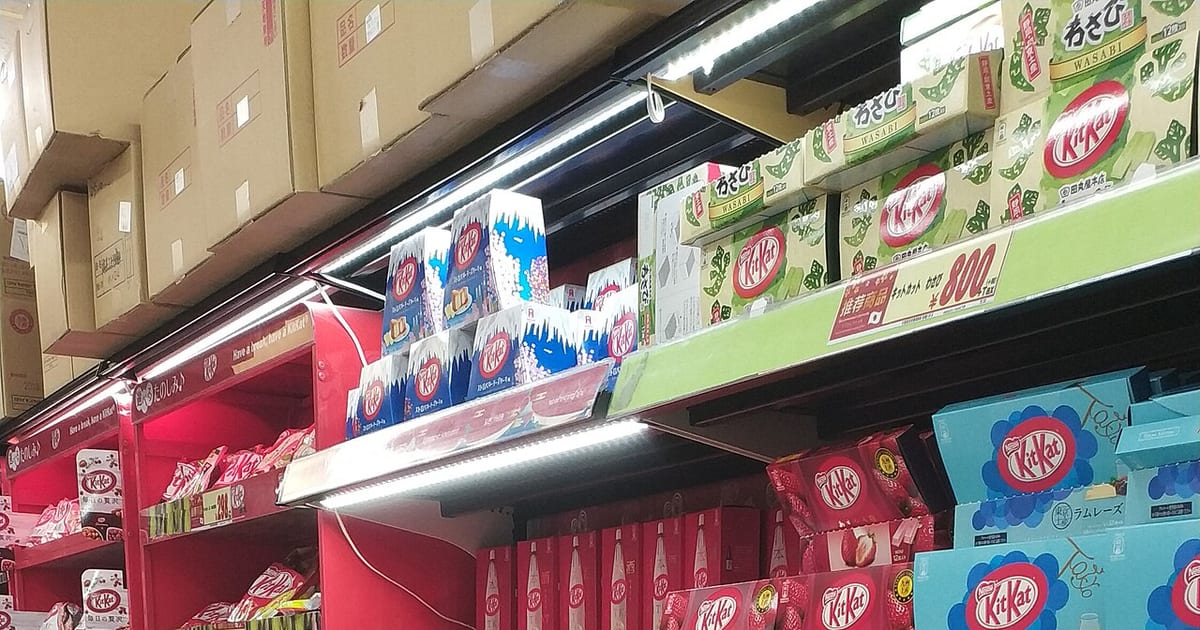
- Region-exclusive KitKat (Hokkaido Yubari melon, Kyoto matcha, Okinawa beniimo, Hiroshima maple manju) ¥800-1,200/box: omiyage #1.
- Seasonal Pocky / Pretz (sakura, chestnut, banana chocolate, Christmas) ¥150: new flavour every quarter.
- Tokyo Banana ¥1,200/8-pack: Tokyo-only; you'll find it at the airport, not at every konbini.
- Shiroi Koibito ¥1,400/12-pack: Hokkaido exclusive; cheapest at New Chitose Airport.
- Calbee Jagabee fries ¥150: spicy cod roe, butter soy, garlic — addictive.
- Morinaga Milk Caramel ¥120: 100-year-old brand, nostalgic flavour.
- BLACK BLACK gum ¥150: caffeinated, no joke about the "super-charged" claim.
- Konnyaku jelly packets ¥130: low-calorie fruit jellies.
- Royce nama-chocolate ¥1,000: Hokkaido brand made konbini-accessible in small boxes.
- Meiji chocolate bars (Super Rich, Milk, Bittersweet) ¥130: national-treasure baseline chocolate.
Drinks: 8 Japan-exclusive picks
- Suntory Hibiki 100ml mini bottle ¥1,200: whisky collectors' grail.
- Strong Zero series ¥150: 9% ABV chuhai — handle with care if you don't usually drink high-ABV.
- Suntory "Iyemon" green tea ¥150: the unsweetened green tea champion.
- Coca-Cola Japan limiteds (peach, sakura, matcha) ¥160: rotates every quarter.
- UCC BLACK canned coffee ¥120: morning fuel.
- Calpis Water ¥150: lactic-acid sparkling water — nostalgic and refreshing.
- Yakult Y1000 ¥150: functional probiotic; the marketing claim is sleep aid.
- Häagen-Dazs limited flavours ¥350: matcha warabi-mochi, sakura, beniimo — flavours you literally cannot buy outside Japan.
Beauty + lifestyle: 5 small items worth buying
- Megrhythm steam eye masks ¥150/each: Kao brand — 10 minutes of warmth before bed, surprisingly effective.
- Biore UV sunscreen ¥600: A-series moisturising version, 30% cheaper than overseas.
- MUJI travel essentials (Lawson exclusive — they carry a MUJI corner): shampoo, skincare ¥190-590.
- Foot Refresh patches ¥600: stick on calves or soles overnight — leg-soreness saviour.
- SOFT99 lens cloth ¥350: Japanese-quality microfiber for cameras and glasses.
Payment: IC card vs credit card vs PayPay compared
| Method | Speed | Fees | Best for |
|---|---|---|---|
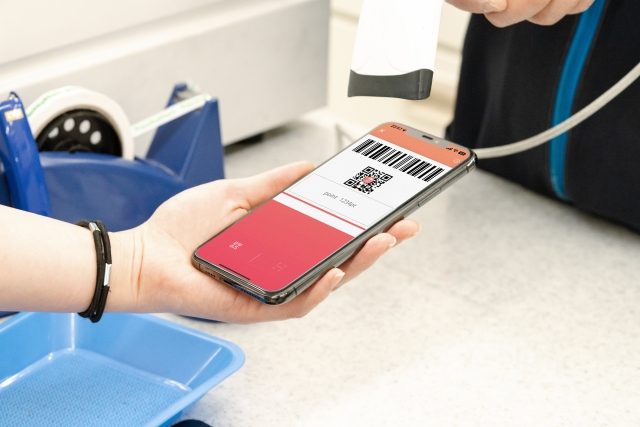
| Suica/Pasmo IC card | 1 sec | 0% | Everyone ⭐ |
| Visa/JCB contactless | 3-5 sec | 0% direct / 0.3-1% via Apple Pay | Travelers without IC card |
| PayPay | 10 sec (scan QR) | 0% | Japan PayPay account holders only — hard for foreign tourists to register |
| Cash | 10-30 sec (change) | — | Backup |
Recommended workflow: Buy a Welcome Suica at the airport → top up ¥5,000 → use the same card for konbini + subway throughout the trip. For choosing between Suica, ICOCA and PASMO, adding the card to your phone, and getting your deposit back, see our Japan IC card guide; for when to reach for cash, card or QR payment across the whole trip, see the Japan payment guide.
You'll also want Google Translate handy to read ingredients and date labels in Japanese. Mobile data is essential: compare the five Japan eSIM options. Full 5-brand eSIM comparison: Japan eSIM recommendation 2026.
The tax-free myth — can you actually claim at konbini?
Common question: "Can I get tax-free if I spend ¥10,000 at 7-Eleven?" The answer is almost always no. Reasons:
- Tax-free threshold is ¥5,000 before tax, same store, same day (unchanged under both regimes)
- Store must be a designated "Tax Free Shop" (visible logo at entrance)
- Among the three chains, only a small number of airport branches and major tourist-zone flagship stores carry the tax-free designation
- Food and other consumables: bought on or before 31 October 2026, they had to go into sealed packaging you could not open or eat in Japan; bought from 1 November 2026, the sealed-packaging rule is gone, but anything eaten or drunk in Japan fails the customs check and gets no refund either way
- In practice, the staff workflow is laborious; clerks often decline
The whole procedure changed on 1 November 2026, and what decides which rules you get is your purchase date (the day the goods change hands), not the day you fly out — there is no transition period. Buy on or before 31 October and the tax comes off at the register. Buy from 1 November and you pay the full tax-included price in the shop, then on departure scan your passport at a self-service tax-free terminal at the airport; once customs confirms, the shop that sold you the goods refunds the tax. The airport does not hand over money, and the refund method and the time it takes are not regulated and carry no official figure, while on fees the government says only that who bears them is "not specifically prescribed" and that it charges nothing itself — ask in the shop, and register your refund method there rather than at the airport. The terminal step has to happen before you check your luggage and in the landside international departure hall, before security, and goods must leave Japan within 90 days of the purchase date.
For konbini specifically the new system is worse, not better, because a receipt sinks or swims as a whole: customs checks one purchase transaction — one receipt — at a time, and if a single item on it is missing, nothing on that receipt clears or gets refunded. The onigiri, coffee and limited-edition snacks you buy at a konbini are exactly the things you are going to eat before you fly home. If you have eaten them, skip the self-service terminal and declare at the staffed customs counter instead.
Conclusion: Use konbini for food you'll eat yourself — don't pile up purchases just to chase tax-free. For tax-free shopping, drugstores (Matsumoto Kiyoshi, Sundrug) or major department stores are far more efficient. For the minute-by-minute airport routine under the new rules, see how the departure refund actually works.
Frequently Asked Questions
- Q1:Which is the best — 7-Eleven, Lawson, or FamilyMart?
- Depends on what you're buying. 7-Eleven wins on rice balls (onigiri), bento, and coffee — most consistent quality and densest store network (21,000+ stores nationwide). Lawson dominates desserts (the "Premium" line is genuinely premium) and fried chicken. The "Natural Lawson" blue-white sub-brand has solid plant-based options. FamilyMart's FamiChiki fried chicken is the cult favourite — Taiwanese tourists rank it #1. Try all three at least once. If forced to pick one: 7-Eleven (broadest range, most consistent).
- Q2:Can I use my foreign credit card at a konbini?
- Yes, no foreign-transaction surcharge from the konbini side. All three chains accept Visa / Mastercard / JCB contactless tap (no signature or PIN for small purchases). But if you use Apple Pay / Google Pay linked to your home card, your bank may charge 0.3-1% in foreign-transaction fees — check your card. The cheapest option is an IC card (Suica / Pasmo / ICOCA) topped up with cash: zero fees, tap-and-done in one second.
- Q3:Can I get tax-free at a konbini?
- Mostly no. The threshold is ¥5,000 before tax per store per day, and the store must be a designated tax-free shop — among the three chains only a handful of airport branches and major-tourist-area flagships carry the “Tax Free Shop” sign, which rules out most situations on its own. On top of that, the procedure changed on 1 November 2026, and which rules apply depends on your purchase date, not your departure date. Bought on or before 31 October 2026: the tax comes off at the register, and food had to go into sealed packaging you could not open in Japan. Bought from 1 November 2026: you pay the tax-included price in the shop and get refunded by that shop after scanning your passport at an airport self-service terminal for customs confirmation. The sealed packaging is gone, but anything you eat or drink in Japan will fail that check, and customs clears one receipt at a time — one missing item and the whole receipt is refused. Konbini food is bought to be eaten in Japan, so save your tax-free attempts for drugstores or department stores; see the Japan tax-free complete guide.
- Q4:When are bento cheapest?
- Japanese konbini have a "nesage" (price-reduction) rule: bento, onigiri, and fresh items get a yellow discount sticker once they pass two-thirds of their best-before window — usually between 21:00 and 23:00, marked down 30-50%. Freshness is still legally fine (expires the next day). Buy at night, eat for breakfast — classic backpacker savings hack.
- Q5:What must-buys can I not get at home?
- Five solid picks: (1) Region-exclusive KitKat (Hokkaido Yubari melon, Kyoto matcha, Okinawa beniimo) — Japan's answer to "edible omiyage." (2) Seasonal Pocky / Pretz — cherry blossom, autumn maple, Christmas editions rotate quarterly. (3) Suntory Hibiki / Yamazaki 100ml minis — for whisky collectors, near-impossible to find abroad. (4) Häagen-Dazs limited-time flavours (matcha warabi-mochi, cherry blossom, beniimo). (5) 7-Eleven Premium Cake line — pâtisserie-grade quality at convenience-store prices.
- Q6:What should I watch out for at konbini late at night?
- Three things: (1) Hot food racks empty out after 21:00 — fried items, oden, and bento drop dramatically. If you want hot food, go before 21:00. (2) Strong Zero series in the alcohol fridge is genuinely strong (9% alcohol). One can hits hard if you don't usually drink high-ABV chuhai. (3) Single-staff overnight shifts mean slow checkout — the clerk might be restocking; 5-10 minute waits at 2 AM are normal.
- Q7:Are konbini open 24 hours?
- 90%+ in major cities (Tokyo, Osaka, Kyoto) run 24/7. Rural and tourist-area stores may close 1-2 hours overnight for cleaning. To verify: (1) Google Maps shows "Opening hours" per store; (2) all three chains have official apps with nearby-store search; (3) some mountain or residential-zone stores close 02:00-04:00. Tokyo, Osaka, and Kyoto city centers — basically 24/7 everywhere.
Read next
Japan trip prep checklist
eSIM, Visit Japan Web, tax-free, insurance — done in one read.
Japan Tax-Free Nov 2026: New Airport Refund Rules
The kiosk reads your passport, not a QR — landside, before bag drop. One receipt, all or nothing.
Best eSIM for Japan 2026: 5 Brands Compared
Airalo, Ubigi, KKday, Holafly and Jetfi compared on coverage, price and speed. Honest ranking.
📊 See the 2026 Price Index (JR Pass, DPA, eSIM, Airport Transport) →