Kushiro and Lake Akan are eastern Hokkaido at its most genuinely wild — home to Japan's largest wetland (the Kushiro Marsh), flocks of red-crowned cranes in the snow, the marimo algae balls found only in Lake Akan, and the largest Ainu settlement in Japan. But three blunt things up front: for flocks of cranes, target winter, December to March; the Ainu Kotan's performance is the cultural high point of the trip, not just a lakeside stroll; and the three lakes — Akan, Mashu, Kussharo — are scattered across the hills, so without a car this area is genuinely hard to do well. This guide covers the crane feeding grounds, the Kushiro Marsh lookouts and Norokko sightseeing train, the Lake Akan marimo boat (¥2,700 in 2026), the Ainu Kotan's Lost Kamuy, the three lakes and the Sunayu sand onsen, Kushiro's robatayaki, and transport and lodging. To chain it into a bigger eastern-Hokkaido run, see our central-and-east Hokkaido autumn drive, or for winter our 7-day Hokkaido winter itinerary.
- Cranes are a winter thing: Dec–Mar flocks at the feeding grounds; Tsurui-Ito Sanctuary feeds at 9:00 a.m. daily, free entry
- See marimo by boat: the sightseeing boat to the lake's exhibition center, ¥2,700 adults in 2026, full loop ~85 minutes
- The Ainu Kotan is the anchor: Japan's largest Ainu settlement; traditional dance ¥1,500 / Lost Kamuy ¥2,200
- Three lakes drive best: Lake Mashu (a clear caldera lake) + Kussharo's Sunayu sand onsen, a ~130 km loop
- Kushiro is the birthplace of robatayaki — don't skip the charcoal-grilled seafood on your city night
📖 Contents
Why visit Kushiro & Lake Akan
Honestly, the Kushiro–Akan area is not a place of back-to-back sights; what it sells is eastern Hokkaido's rawest nature and Ainu culture. It runs on a completely different register from city sightseeing in Sapporo or Hakodate: the points are tens of kilometers apart, you drive long, empty national roads, and what you come for is wetland, caldera lakes, and cranes in the snow — it is "slow" travel. I would frame it this way: Kushiro–Akan suits two kinds of traveler — those after rare nature (red-crowned cranes, marimo, an ultra-clear caldera lake), and those who want to engage seriously with Ainu culture. If you want a dense one-sight-after-another itinerary, this place will have you thinking "why am I always driving"; but if you slow down and treat eastern Hokkaido as a road trip, the payoff is hard to replicate elsewhere in Japan. Keep the core trade-offs in mind: the highlight (cranes) is locked to winter, the cultural highlight (the Ainu performance) is worth sitting down for, and to do the three lakes properly you almost certainly need a car.
Red-crowned cranes: season & feeding grounds
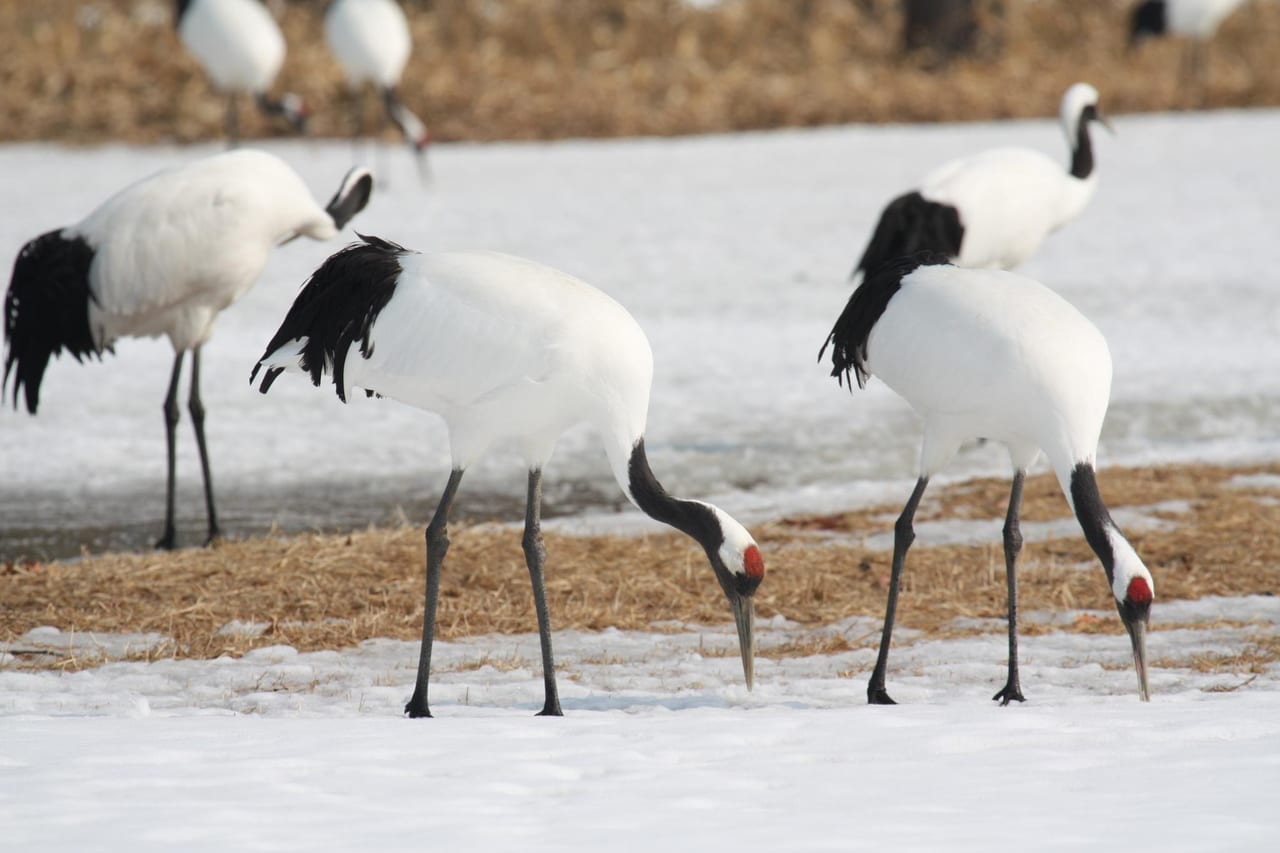
The red-crowned crane (tancho) is a symbol of Kushiro and of Hokkaido as a whole — red-crowned, white-bodied, black wingtips, and huge. Once thought extinct in Japan, the species was rediscovered around the Kushiro Marsh and, through conservation and winter feeding, has recovered to roughly 1,800 birds. To see them, first nail down the season:
- Winter (Dec–Mar) = flocks, peak: when natural food is scarce, the feeding grounds around Tsurui Village and Akan scatter corn, and dozens to over a hundred cranes gather in — courtship dances in the snow are unique to this season.
- Summer = scattered, hit-or-miss: the cranes are residents and live in eastern Hokkaido year-round, but in summer they spread across the Kushiro Marsh to nest, so you only catch lone birds along trails or from the train window.
The main viewing spots: Tsurui-Ito Tancho Sanctuary (Tsurui Village; open Oct 1–Mar 31, free admission, closed Tue/Wed, with one feeding at 9:00 a.m.) is the classic winter crane site; the Akan International Crane Center (Grus) is open year-round (¥470 adults, ¥240 children), and its attached observation center opens only November–March, when winter feeding happens. Photographers also head to Otowa Bridge to shoot the cranes roosting in the misty river at dawn (arrive before sunrise). My advice is blunt: if you are coming specifically for the cranes, plan winter, and in other seasons do not treat "definitely see a big flock" as a guarantee.
Kushiro Marsh & the Norokko train
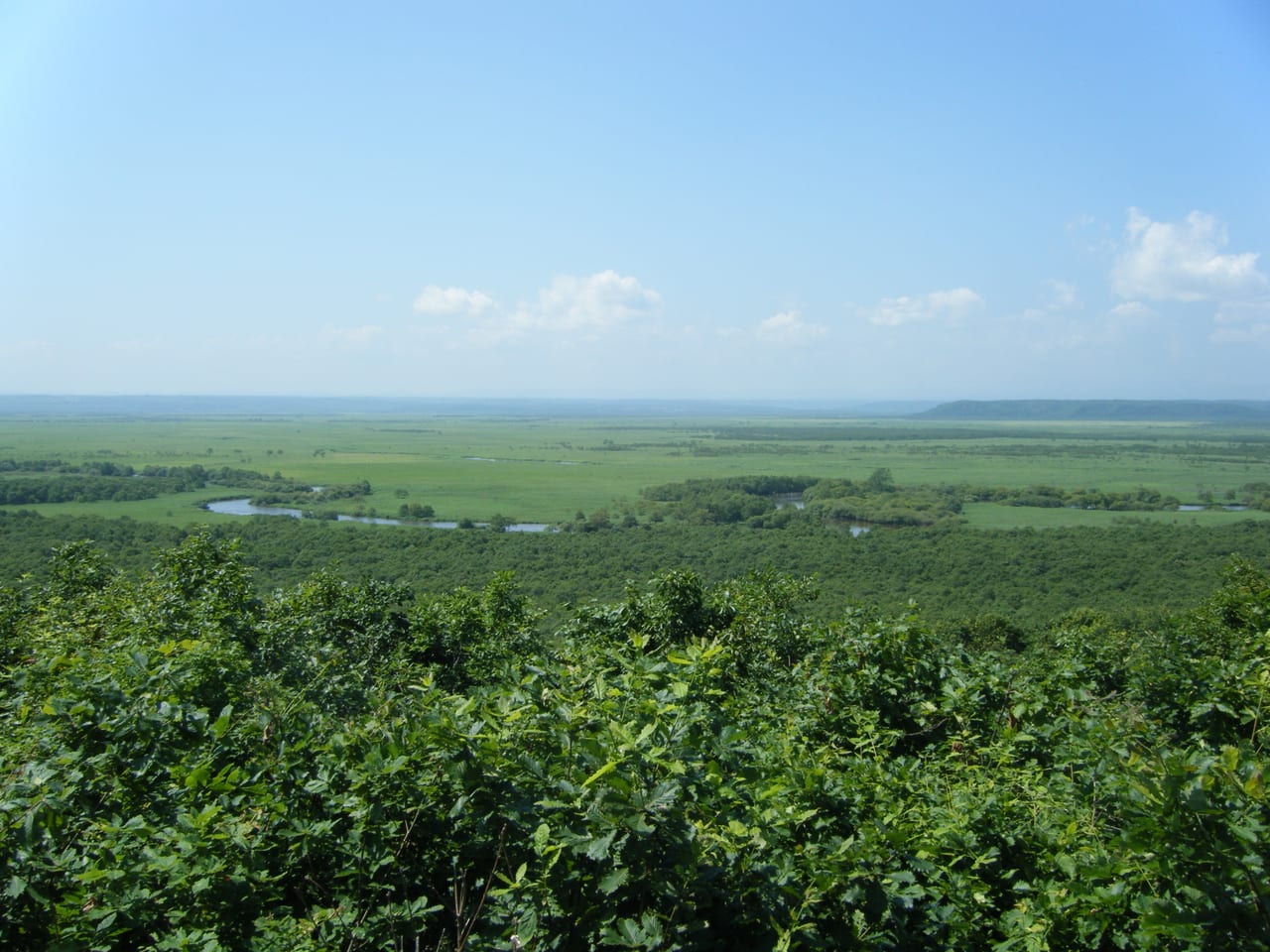
Kushiro Marsh is Japan's largest wetland, spreading over more than 20,000 hectares, a registered Ramsar site and the cranes' core summer breeding zone. You don't "hike" or "shop" it; you experience it two ways:
- Lookouts: Hosooka Observatory (east side, the classic for sunset and the meandering river) and the Kushiro Marsh Observatory (west side, with a loop boardwalk) put the whole panorama in front of you within a few minutes' walk — no effort, suits everyone.
- The Kushiro Marsh Norokko sightseeing train: a seasonal (summer) slow-running excursion train along the Senmo Line that crosses the marsh with windows you can open, slowing through the best stretches — with luck you spot wild cranes or deer from the window. Timetables and the operating period are announced annually, so check the JR Hokkaido site before you go. Winter visitors miss the Norokko, but the same Senmo Line runs the steam-hauled SL Fuyu-no-Shitsugen-go instead — it operates barely thirty-odd days a season and is entirely reserved seating, so no seat means no ride, a very different proposition from the walk-up summer Norokko.
To get closer still, there are canoe trips down the Kushiro River — viewing the whole marsh from the water, quiet and distinctive, a popular local option (mostly guided, book ahead). Overall, the marsh fits half a day to a full day: a lookout plus the (summer) Norokko or a canoe makes a complete stretch.
Lake Akan & the marimo boat
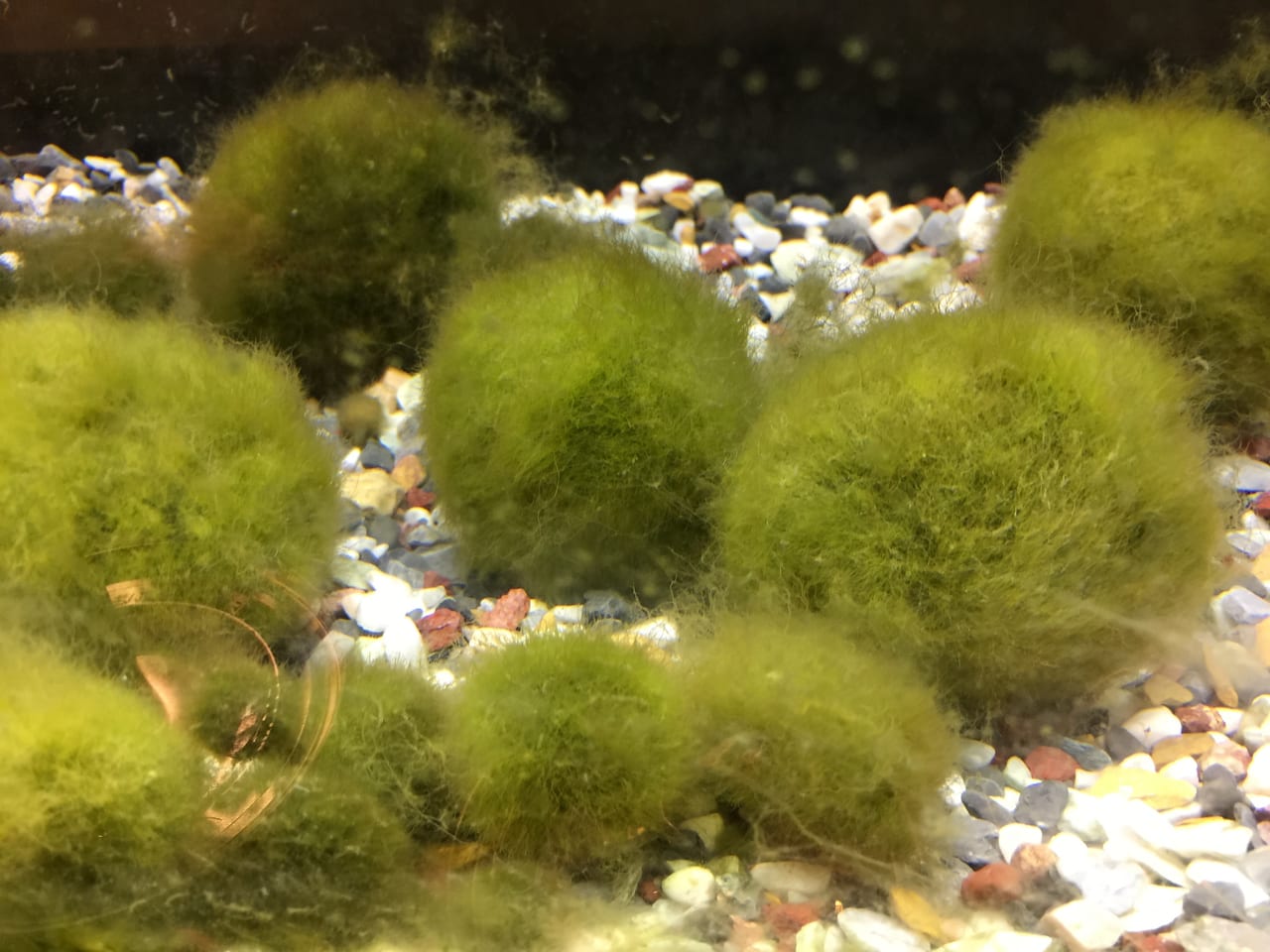
Drive inland about 75 km / 100 minutes from central Kushiro and you reach Lake Akan — a caldera lake ringed by primeval forest and home to the hot-spring resort of Akanko Onsen. Akan's claim to fame is its unique marimo: a green alga that grows into fuzzy spheres, designated a national special natural monument; the marimo here grow large and round in a way that is exceedingly rare worldwide.
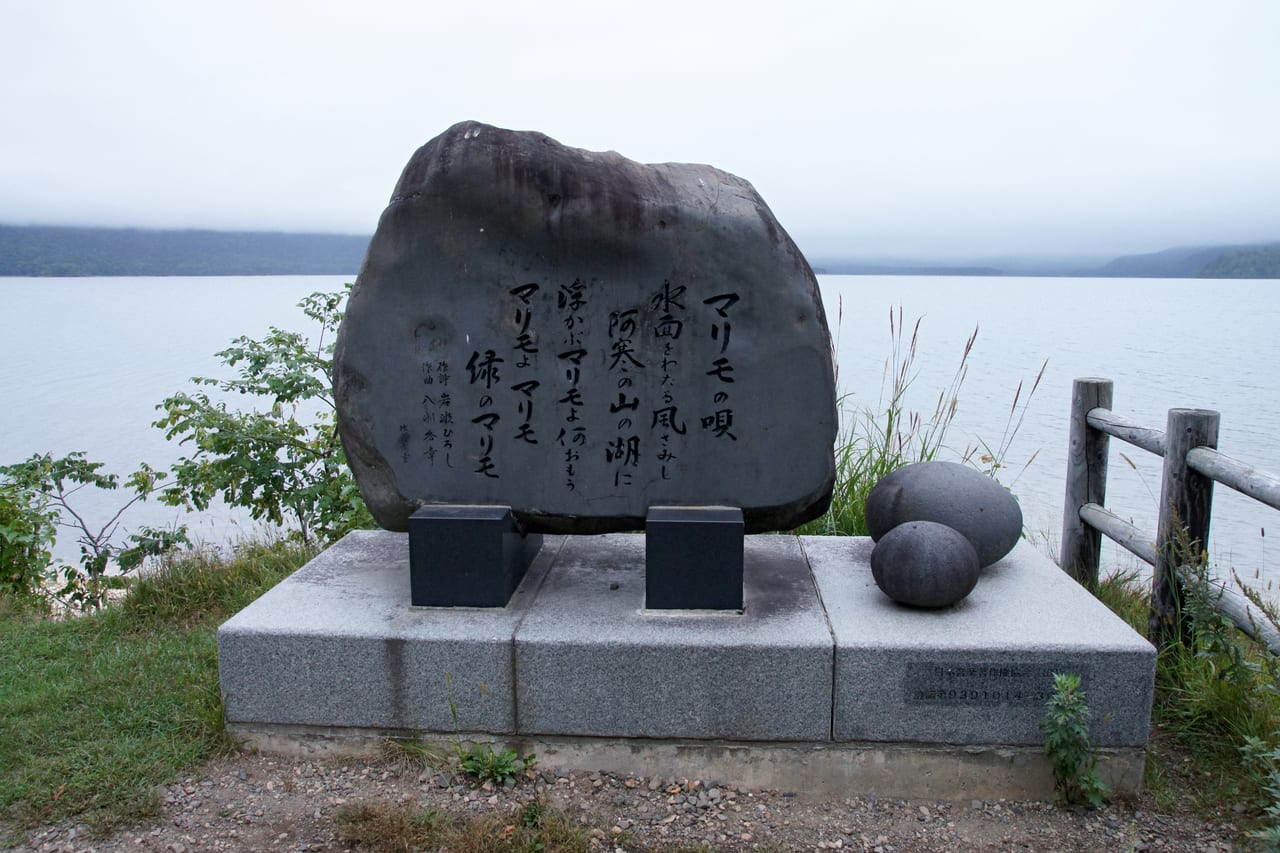
To see the real wild marimo, you take the Akan sightseeing boat out to the Marimo Exhibition Observation Center on Churui Island — the center is reachable only by boat, and you essentially can't see the drifting marimo from shore. The practicals (per the operator):
- Boat fare (2026): ¥2,700 adults, ¥1,390 children, Marimo Center admission included.
- Full loop about 85 minutes (with roughly 15 minutes ashore for the marimo); the boat runs roughly May to November.
One note on timing: in winter the lake freezes and the boat stops, so the season shifts to on-ice activities (such as wakasagi ice fishing — whose opening date the authorities announce only three days ahead) and the marimo wait for the open-water season — don't read "no marimo in winter" as "nothing to do at Lake Akan in winter." The activities just change.
Lake Akan Ainu Kotan & Lost Kamuy
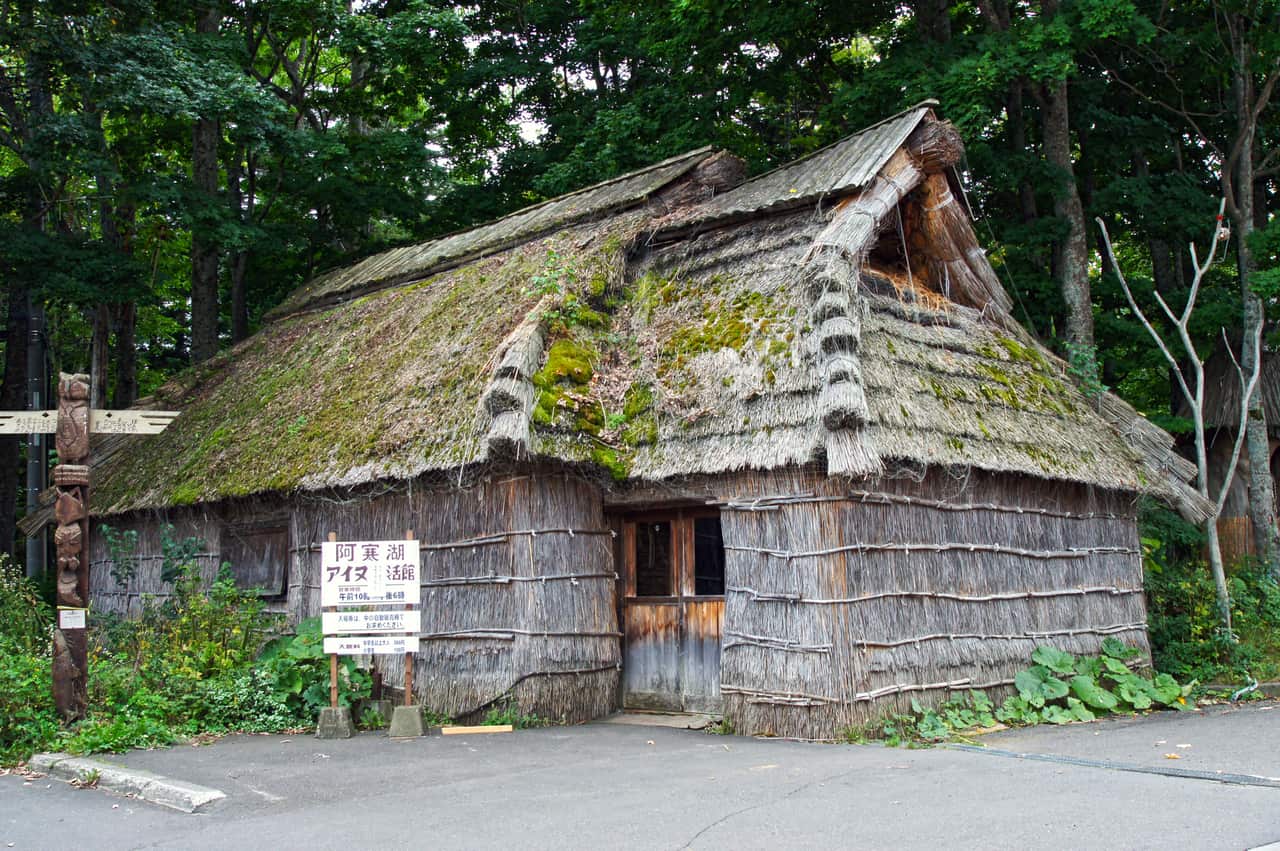
If nature is the skeleton of Kushiro–Akan, Ainu culture is its soul, and the one place worth a deliberate visit is Lake Akan Ainu Kotan — the largest Ainu settlement in Japan. The Ainu are the indigenous people of Hokkaido, with their own language, an animist belief in "kamui" (spirits in all things), and distinctive embroidery and woodcarving. Along the settlement's sloping lane, around thirty Ainu craft shops, carving studios, and restaurants let you buy genuine carved owls and embroidery and try Ainu-style dishes such as venison.
But the real headline here is a performance at the Lake Akan Ainu Theater "Ikor". I'll say it plainly: at Lake Akan, sitting down for a performance is what makes the Ainu culture land — not just walking a shopping lane. The theater stages two main programs:
- Ainu traditional dance: a UNESCO Intangible Cultural Heritage and national important intangible folk cultural property — traditional song, prayer, and dance. Official pricing: ¥1,500 adults, ¥700 elementary schoolers.
- "Lost Kamuy": a production fusing Ainu traditional dance, contemporary dance, 3DCG digital projection, and surround sound, telling the story of the Ainu and the wolf-god "kamui" that vanished from Hokkaido — tradition meeting digital craft. Official pricing: ¥2,200 adults, ¥700 elementary schoolers.
How to choose? For the purest tradition, the traditional dance; for a striking digital spectacle, with kids or as a first encounter with Ainu culture, I'd push Lost Kamuy. Performances mostly run evening into night, slotting in neatly after a day on the lake.
Lake Mashu, Lake Kussharo & Sunayu
Eastern Hokkaido's "three lakes" add two more must-see caldera lakes beyond Akan — but these two all but require a car:
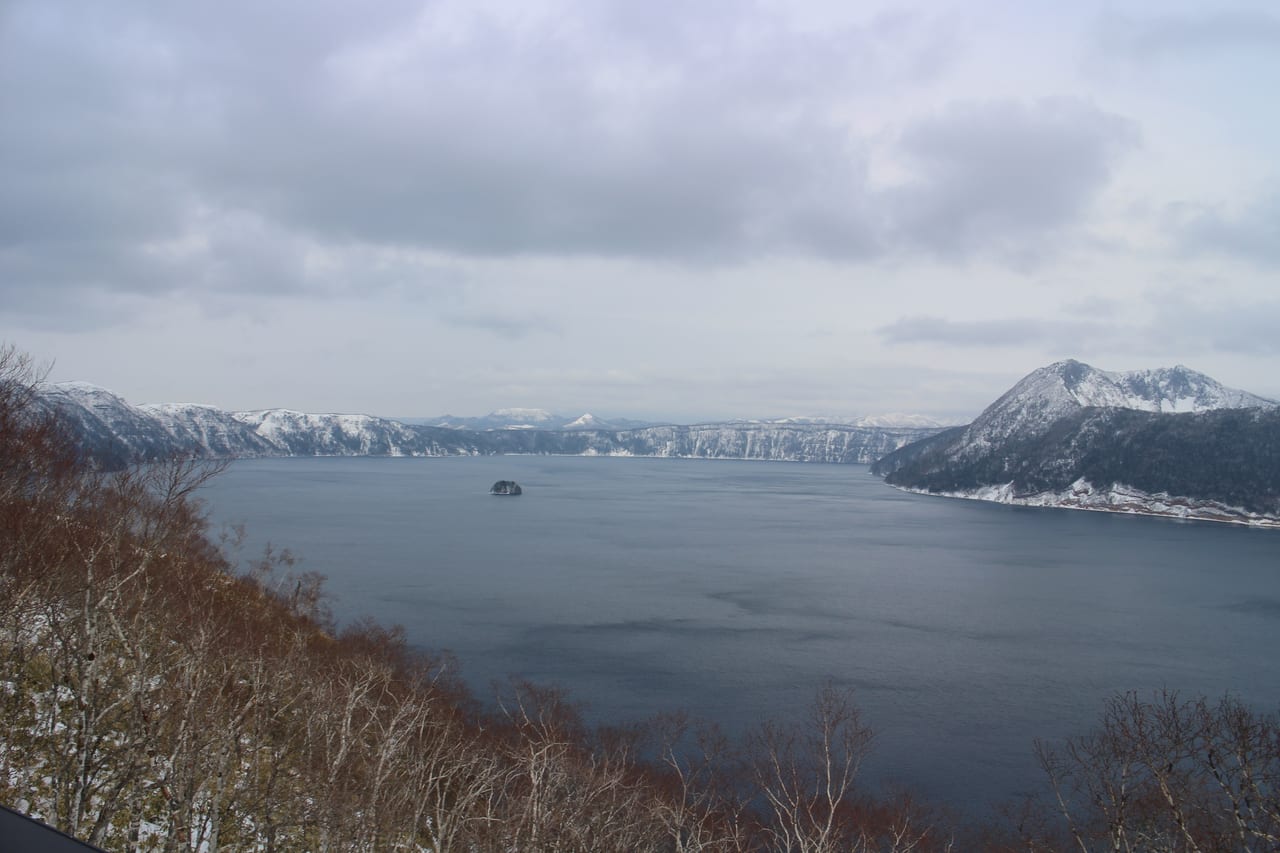
- Lake Mashu: the "Lake of the Gods" / "Devil's Lake," one of the clearest caldera lakes on earth, an improbable deep blue. It is often wrapped in fog — seeing the full lake is down to luck — and there's even a local joke that "seeing a clear Lake Mashu means you'll marry late." Viewing is mainly from the Mashu First Lookout (car parking ¥500, a one-day ticket shared with Mt. Io). Note: to protect the water, the shoreline is closed — no going down to the water; it is pure viewing.
- Lake Kussharo: Japan's largest caldera lake, whose standout is the lakeside "Sunayu" — dig into the sandy beach and hot spring water wells up from below, so you can scoop a little pit for a foot bath; in winter whooper swans gather here. This "dig your own onsen" experience is rare elsewhere.
How to string them? Self-driving is smoothest: Lake Akan → Lake Kussharo (Sunayu) → Lake Mashu as a loop, about 130 km and half a day to a full day, passing several lookouts. Without a car, Akan Bus runs sightseeing routes linking the three lakes and Kawayu Onsen, but they are infrequent, with fixed stop times and little freedom — so rent a car if you can.
Robatayaki, transport & lodging
First, the food — Kushiro is the birthplace of robatayaki (hearthside grilling). Robatayaki means sitting around a charcoal hearth while the staff pass freshly grilled seafood and Hokkaido ingredients to you on a long wooden paddle; as a fishing port, Kushiro grills the local seasonal catch, and I would lock it into dinner on your Kushiro-city night — one of eastern Hokkaido's few "city" pleasures. Kushiro also has the "katte-don" (build-your-own seafood rice bowl) at the Washo Market.
Getting in is via Kushiro Airport (Tancho Kushiro Airport) or JR Kushiro Station:
- Airport shuttle: Kushiro Airport ↔ central Kushiro in about 45 minutes; the airport also has the direct "Akan Airport Liner" to Akanko Onsen, about 1 hr 5 min to 1 hr 20 min, ¥2,150 one way, twice daily (reservable in advance).
- City to Lake Akan: about 75 km / 100 minutes by car.
- Rental car: to do the marsh lookouts + three lakes + feeding grounds properly, self-driving is far more convenient — my core recommendation for this area.
For lodging, I'd split it: one night in central Kushiro (handy for robatayaki, the Washo Market, and connecting to the marsh next morning) and one night at Akanko Onsen (soak right after the evening Ainu performance, then connect to the boat and the three lakes the next day). Akanko Onsen has plenty of ryokan and lake-view rooms get snapped up; in peak seasons (summer, the winter crane season) book early. If the wider eastern-Hokkaido trip uses JR and the airport links, run the numbers with our Hokkaido JR Pass guide first; to fold Sapporo into the same Hokkaido trip, see our Sapporo travel guide.
A three-day plan
Here is the same content shaped into a route that flows (written for a rental car, with winter crane-viewing; in summer swap the cranes for the marsh Norokko and a canoe):
- Day 1 (Kushiro Marsh + city): Kushiro Airport → pick up the car → Hosooka Observatory for the marsh and the river → (winter) Tsurui-Ito Sanctuary for the crane feeding → back to central Kushiro, dinner of robatayaki, overnight in Kushiro.
- Day 2 (Lake Akan): drive to Lake Akan (about 100 min) → take the boat to see the marimo (loop about 85 min) → afternoon in the Ainu Kotan, buy a carving → evening traditional dance or Lost Kamuy → overnight at Akanko Onsen, soak.
- Day 3 (three lakes): Lake Akan → Kussharo's Sunayu to dig a sand foot bath → Mashu First Lookout for Lake Mashu → back to Kushiro Airport as time allows (or onward to Shiretoko or Kawayu).
With only two days, drop the three lakes and focus on "Kushiro Marsh + cranes (winter)" and "Lake Akan marimo + the Ainu performance" — cramming the three lakes in is rushed. East of here you can chain Shiretoko, and north Abashiri, into a longer road trip; to arrange the whole of Hokkaido (Sapporo included) as one trip, see our central-and-east Hokkaido autumn drive for the foliage version and our 7-day Hokkaido winter itinerary for winter.
FAQ
- Q1:When is the best season to see red-crowned cranes in Kushiro? Can you see them in summer?
- For flocks of wild red-crowned cranes, the best season is winter, December to March. The reason is practical: when natural food runs short, the feeding grounds around Tsurui Village and Akan scatter corn, and dozens to over a hundred cranes gather in — the white birds with their red crowns against the snow are the classic shot. The feeding season runs roughly November to March, and the Tsurui-Ito Tancho Sanctuary feeds once daily at 9:00 a.m. (open Oct 1–Mar 31, free admission, closed Tue/Wed). You are not shut out in summer — the cranes are residents and stay in eastern Hokkaido year-round — but in summer they scatter across the Kushiro Marsh to nest and raise chicks, so you see lone birds, not flocks. To reliably see a big group, go in winter.
- Q2:How do you see the Lake Akan marimo? Do you need the boat, and what does it cost?
- To see the real wild marimo (the green algae balls), you take the Akan sightseeing boat out to the Marimo Exhibition Observation Center on Churui Island in the middle of the lake — the center is reachable only by the boat. Per the operator, the 2026 boat fare is ¥2,700 for adults and ¥1,390 for children (Marimo Center admission included), and the full loop takes about 85 minutes (with roughly 15 minutes ashore to see the marimo); the boat runs roughly May to November. Inside the center you can see fuzzy marimo balls of various sizes — a special natural monument found only here. Note: the marimo drifting naturally in the lake are hard to spot from shore, so the boat into the center is really the way to see them.
- Q3:Is the Lake Akan Ainu Kotan worth the time? What is there to do?
- Very much so — I would call Lake Akan Ainu Kotan the cultural anchor of the whole trip. It is the largest Ainu settlement in Japan, with around thirty Ainu craft shops, woodcarving studios, embroidery, and restaurants lining a slope. The real headline is the Lake Akan Ainu Theater "Ikor": it stages the Ainu traditional dance (a designated national important intangible folk cultural property) and "Lost Kamuy," a production fusing traditional dance, contemporary dance, 3DCG digital projection, and surround sound. Per official pricing, the traditional dance is ¥1,500 for adults and Lost Kamuy is ¥2,200 for adults (children separate). Sitting down for a performance, rather than just browsing the lane, is what actually lets the culture land.
- Q4:How do I work in Lake Mashu and Lake Kussharo? Can I reach them without a car?
- Honestly, the three lakes (Akan, Mashu, Kussharo) work best self-driving. Lake Mashu — the "Lake of the Gods / Devil's Lake" — is one of the clearest caldera lakes on earth, an unreal deep blue; it is often shrouded in fog, so seeing the full lake is a matter of luck. You view it mainly from the Mashu First Lookout (parking ¥500 for a car, a one-day ticket shared with Mt. Io), and the shoreline is closed — you cannot go down to the water. Lake Kussharo is Japan's largest caldera lake, and its lakeside "Sunayu" (sand onsen) lets you dig the sand to make hot spring water well up for your own foot bath — genuinely unusual. Linked together (Akan → Kussharo → Mashu), the self-drive loop is about 130 km and half a day to a full day. Without a car, Akan Bus runs sightseeing routes, but they are infrequent and rigid, so rent a car if you can.
- Q5:How do I get to Kushiro, and is robatayaki a must?
- Getting in is via Kushiro Airport (Tancho Kushiro Airport) or JR Kushiro Station. An airport shuttle runs into central Kushiro (about 45 minutes), and the "Akan Airport Liner" runs direct to Akanko Onsen in about 1 hr 5 min to 1 hr 20 min, ¥2,150, twice daily. From central Kushiro to Akanko Onsen is about 75 km / 100 minutes by car. As for robatayaki (hearthside grilling) — Kushiro is its birthplace: around a charcoal hearth, the staff pass freshly grilled seafood and Hokkaido ingredients straight to you, and as a fishing port this is the one meal I would lock into a Kushiro-city evening. To weigh up renting a car versus JR, start with our Hokkaido JR Pass guide.
- Q6:How do you visit the Kushiro Marsh, and how long does it take?
- Kushiro Marsh is Japan's largest wetland and a registered Ramsar site, and there are two main ways to experience it. One is the lookouts: Hosooka Observatory, the Kushiro Marsh Observatory, and others let you take in the endless wetland and the meandering Kushiro River within a few minutes' walk of the parking lot. The other is the seasonal "Kushiro Marsh Norokko" sightseeing train (summer operation, running slowly with windows you can open to watch the marsh and wildlife) — timetables and the operating period are announced yearly, so check the JR Hokkaido site before you go. To go deeper you can canoe down the Kushiro River. The marsh itself is the cranes' summer breeding ground, so with luck you spot a lone bird from the window or trail. Half a day to a full day fits it well.
Related reading:
Hokkaido Winter 7-Day Itinerary 2026
Sapporo → Otaru → Biei → Hakodate over 7 days, with JR Pass math, ski-shuttle reality, and a real two-person budget.
Hokkaido Central-East 5-Day Autumn Drive 2026 Guide
Six weeks of foliage across 600 km — 3-rental comparison, toll math, central-east loop.
Sapporo Travel Guide 2027: Odori Park, Snow Festival & Mt. Moiwa
Hokkaido's gateway and food capital — Odori Park and the Snow Festival, the Clock Tower, Mt. Moiwa's night view, miso ramen, Genghis Khan and soup curry.