Matsumoto Castle now sells two kinds of adult ticket: a timed e-ticket bought online for ¥1,200, and a same-day paper ticket at the Kuromon gate for ¥1,300 — and once you buy the e-ticket, you can't change or refund it. The highway bus from Nagano stopped running in 2024, so from Nagano it's JR only. This guide covers which ticket to buy, where to check the queue at the keep, what to know before climbing, and how to reach the castle from Nagano, Tokyo, Nagoya and Matsumoto Station, based on the castle's official site and Alpico's notices (checked September 14, 2026).
- Tickets: e-ticket ¥1,200 (date and time slot, no changes or refunds), paper ticket on site ¥1,300, ages 6-15 ¥400, preschoolers free
- From Nagano: the Nagano–Matsumoto highway bus ended on 2024-03-29; take the JR Shinano or a Shinonoi Line local
- Station to castle: about 20 minutes on foot, or about 10 minutes on the Town Sneaker North Course
- Hours: normally 8:30–17:00 (last entry 16:30), closed only Dec 29–31; entry to the keep is limited at peak times
- Autumn 2026: scaffolding covers part of the keep's exterior Aug 24–Oct 31; the interior stays open
Table of contents
- How much is a Matsumoto Castle ticket?
- Should I buy the e-ticket in advance?
- How do I get from Nagano to Matsumoto Castle?
- How long from Tokyo or Nagoya?
- How do I get from Matsumoto Station to the castle?
- What are the opening hours?
- Will I have to queue?
- What should I know before climbing the keep?
- Is there scaffolding in autumn 2026?
- Why isn't it the "Crow Castle"?
- Where to go after the castle
- FAQ
How much is a Matsumoto Castle ticket?
Adults pay ¥1,200 for the e-ticket or ¥1,300 for the paper ticket; ages 6-15 pay ¥400 either way, and preschoolers are free. One ticket covers the whole paid area, the keep and the Honmaru Garden.
| E-ticket | Paper ticket | |
|---|---|---|
| Adult | ¥1,200 | ¥1,300 |
| Ages 6-15 | ¥400 | ¥400 |
| Where to buy | Online (official Webket system and other sellers), up to three months ahead | Kuromon ticket office, same day only |
| Entry time | Date and 30-minute slot chosen at purchase | Any time that day; no slot |
| Changes / refunds | Not allowed | — |
| Re-entry | No | No |
Visitors with a disability certificate get free entry for themselves and one companion by showing it at the window.
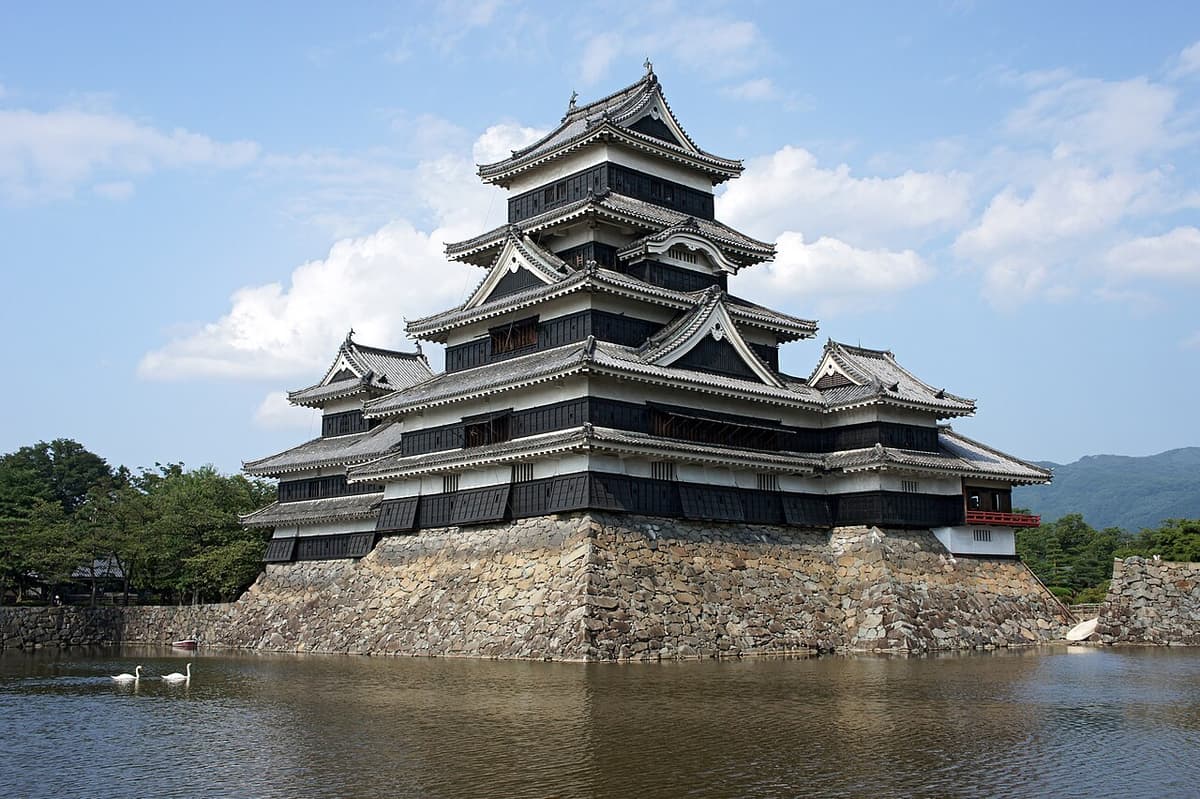
Should I buy the Matsumoto Castle e-ticket in advance?
Yes once your plans are fixed; if the day is still uncertain, buy the paper ticket at the gate. The e-ticket is slightly cheaper and skips the ticket-office line, but it can't be changed, cancelled or refunded. I'd buy it a week or two out, once I knew where I was arriving from that day.
Enter at the slot you chose. If you turn up at a different time, the slot designation lapses but you can still get in — the castle warns that you may wait a long time when it's busy. If bad weather delays your train or bus, tell the staff on arrival. A screenshot or printout works. Buy only from the official site or a legitimate seller: the castle turns away tickets bought elsewhere because they may be fraudulent or already used. Webket takes Visa, Mastercard, JCB and PayPay.
KKday also sells the same timed single ticket and combo tickets. The same no-cancellation rule applies, you enter through the e-ticket entrance at the Kuromon ticket office, and two combo options carry the same "museum" name even though one of them is actually the art museum — open the option details before booking.
See Matsumoto Castle timed tickets on KKday →
How do I get from Nagano to Matsumoto Castle?
By JR — the Nagano–Matsumoto highway bus no longer runs. Alpico ended that route on Friday, March 29, 2024, and as of September 14, 2026 its route page still shows the end-of-service notice. From Nagano, take the JR Shinano limited express or a Shinonoi Line local train to Matsumoto Station. We haven't listed journey times or fares because we couldn't confirm them from an official JR source this time; check the day's trains at the station or in a route-finder app. If you're coming from Zenkoji or the snow monkeys, see our Nagano Zenkoji & snow monkey guide.
How long does it take from Tokyo or Nagoya?
About 2 hours 30 minutes from Tokyo and about 2 hours from Nagoya, on direct JR limited expresses. The castle's access page lists: from Tokyo, the Azusa limited express on the Chuo and Shinonoi lines, about 2h30; from Nagoya, the Shinano limited express, about 2h; from Osaka, the Tokaido-Sanyo Shinkansen to Nagoya and then the Shinano, about 3h30. A day trip from Tokyo works if you only want the castle; if you're continuing to Kamikochi, Tateyama-Kurobe or Takayama, stay a night in Matsumoto.
How do I get from Matsumoto Station to the castle?
Walk about 20 minutes, or ride the Town Sneaker North Course loop bus for about 10 minutes. Board at "Matsumoto Station Oshiro Exit" (Matsumoto-eki Oshiro-guchi) and get off at "Matsumoto-jo/Shiyakusho-mae". The flat adult fare is ¥220 in cash or ¥200 cashless; children pay half. The Asama Line bus uses the same stops and takes about 10 minutes too. There is no free parking at the castle, only paid municipal lots nearby.
What are Matsumoto Castle's opening hours?
Normally 8:30 to 17:00 with last entry at 16:30, and it closes only December 29-31.
| Period | Hours | Last entry |
|---|---|---|
| Regular | 8:30–17:00 | 16:30 |
| Golden Week (2026: Apr 25–May 6) | 8:00–18:00 | 17:30 |
| Summer (2026: Aug 8–16) | 8:00–18:00 | 17:30 |
| January 1–3 | 10:00–15:30 | 15:00 |
| December 29–31 | Closed | |
Both 2026 extended periods have passed and the 2027 dates aren't out yet. The keep is lit up every evening from sunset to 22:00, but the castle doesn't state whether the paid area is open during the light-up, so don't plan on going inside at night.
Will I have to queue at Matsumoto Castle?
At peak times, yes — entry to the keep is limited around Golden Week and Obon, and an e-ticket doesn't let you skip that line. The number of people inside the keep is capped for safety, and groups are let in in order of arrival at the keep entrance. When there's a wait, it's posted in front of the Kuromon ticket office and on the official homepage, which shows a live waiting time to the keep entrance. Inside, the castle gives 45 to 60 minutes as the average visit. Allow at least an hour for the keep, plus the queue in peak season.
What should I know before climbing the keep?
About 140 steps, a maximum incline of about 61 degrees, shoes off, no wheelchairs and no toilets inside.
- The only entrance is the Kuromon gate; the Uzumi-mon entrance by the red bridge is closed.
- Shoes come off; bags for them are handed out at the entrance.
- Photography is banned near the stairs.
- Eating and drinking are not allowed in the Honmaru Garden.
- No pets in the Honmaru Garden or keep, even in a bag or carrier.
- The Japan 100 Castles stamp is at the entrance of the management office inside the paid area.
Is there scaffolding on the keep in autumn 2026?
Yes. From August 24 to October 31, 2026, part of the keep's exterior is covered by scaffolding and white sheeting while the lacquer is repainted. The interior stays open, except part of the Tsukimi Yagura while the lacquer dries. The castle says the dates may shift with the weather and that this work happens every year in this season. If you want the classic all-black exterior photo, avoid these two months. Also note that the free admission in November 2026 for the Himeji sister-city anniversary is for Himeji residents only.
Why isn't Matsumoto Castle the "Crow Castle"?
Because the castle's management office says it isn't. Its black walls earned it the nickname, but the office's official position is that no historical document calls it the Crow Castle; its official alternative name is Fukashi Castle, after the fortress that stood here before it.
Where to go after Matsumoto Castle
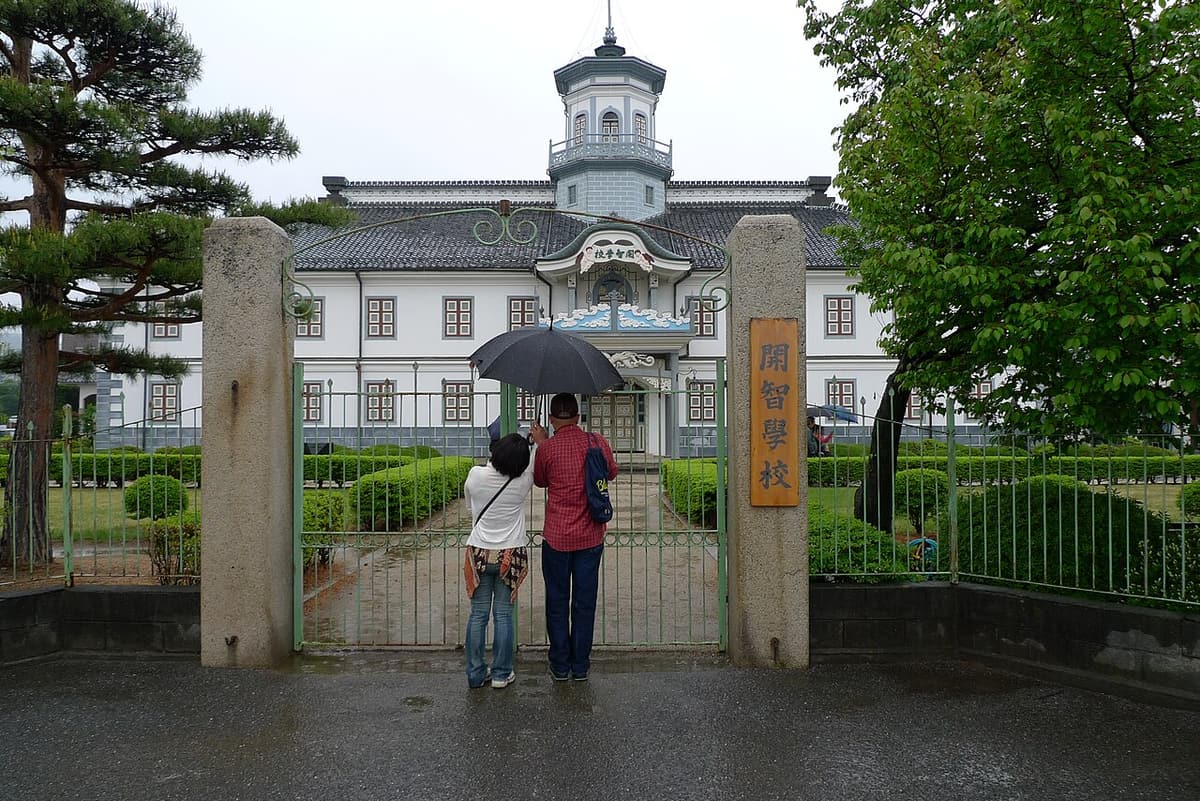
Combine the castle with the former Kaichi School or the city museums on a combined ticket, or use Matsumoto as your base for Kamikochi. Combined tickets are sold online only (not at the ticket office), include a timed castle entry, and cover permanent exhibitions only:
| Combined ticket | Adult | Ages 6-15 | Valid |
|---|---|---|---|
| Castle + former Kaichi School | ¥1,600 | ¥600 | 2 days |
| Castle + Matsumoto City Museum | ¥1,500 | Not offered | 2 days |
| Castle + Matsumoto City Museum of Art | ¥1,700 | Not offered | 2 days |
| 4-facility ticket | ¥2,600 | Not offered | 3 days |
Heading into the mountains: for Kamikochi's access rules, bus fares and season, see our Kamikochi access and fare guide; for the trails, our Kamikochi hiking guide; for the Alpine Route, our Tateyama-Kurobe guide.
Frequently Asked Questions
- Q1:How much is a Matsumoto Castle ticket?
- For adults, ¥1,200 for the online timed e-ticket and ¥1,300 for the paper ticket sold at the Kuromon gate; elementary and junior-high students (ages 6-15) pay ¥400 either way, and preschoolers are free (official site, as of September 14, 2026). The e-ticket is tied to a date and a 30-minute entry slot and can't be changed or refunded. Neither ticket allows re-entry.
- Q2:Can I change my Matsumoto Castle e-ticket time, or enter if I am late?
- No changes, no cancellations, no refunds. If you arrive outside your slot, the time designation lapses but you can still enter — the castle warns you may wait a long time when it is busy. If weather delays your train or bus, tell the staff when you arrive. A screenshot or printout of the e-ticket is fine.
- Q3:How do I get from Nagano to Matsumoto Castle? Is there still a bus?
- There is no bus any more; take JR. Alpico's Nagano–Matsumoto highway bus ended service on March 29, 2024. Ride the JR Shinano limited express or a Shinonoi Line local to Matsumoto Station, then walk about 20 minutes or take the Town Sneaker North Course about 10 minutes to Matsumoto-jo/Shiyakusho-mae. Check the day's JR times and fares before you go.
- Q4:What are Matsumoto Castle's opening hours?
- Normally 8:30 to 17:00, last entry 16:30. It closes only December 29-31; January 1-3 it opens 10:00 to 15:30 (last entry 15:00). Hours are extended to 18:00 during Golden Week and the mid-August Obon period; the 2027 dates have not been announced.
- Q5:Can I get into the keep in a wheelchair?
- No — wheelchairs cannot enter the keep. There are about 140 steps with a maximum incline of about 61 degrees, shoes come off, and there are no toilets inside. Pets are not allowed in the Honmaru Garden or the keep, even in a bag or carrier.
- Q6:Is Matsumoto Castle the "Crow Castle"?
- No, according to the castle's own management office. It is often called that because of its black walls, but the office says no historical record uses the name; its official alternative name is Fukashi Castle, after the fortress that preceded it.