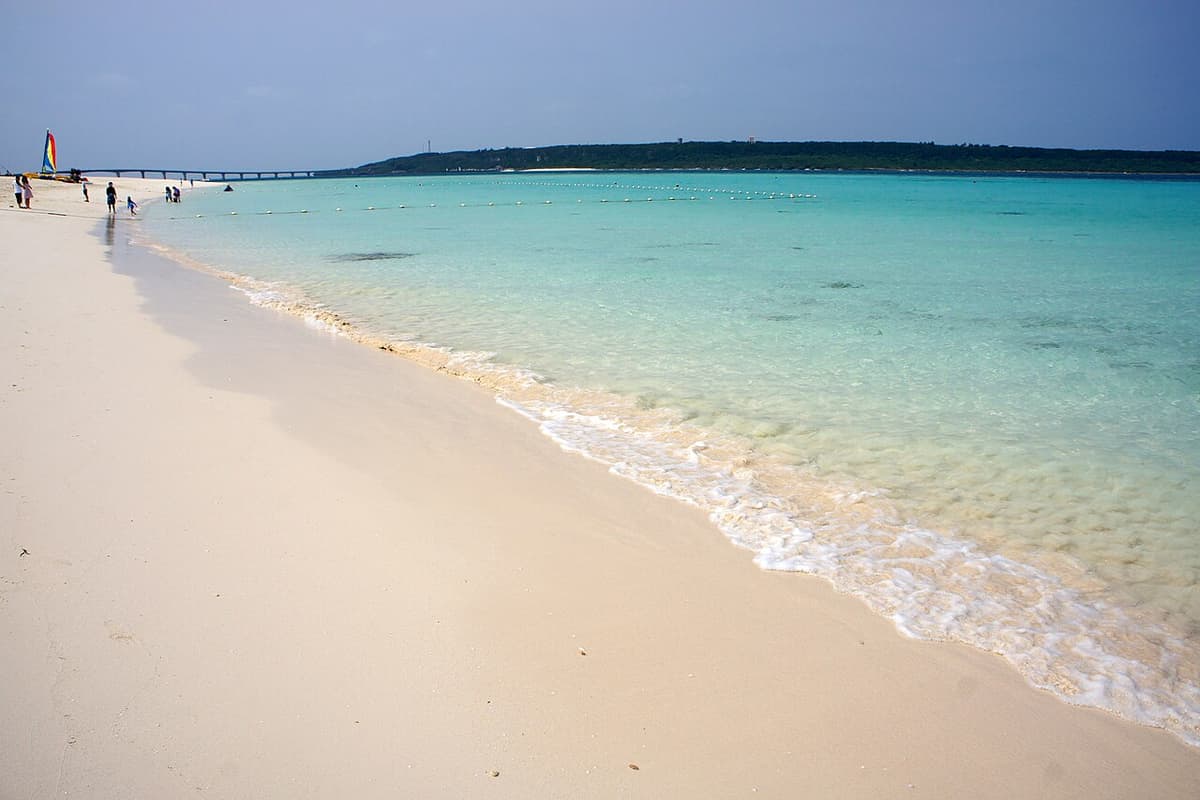
Miyakojima is the Okinawan island known above all for its sea — a color so distinct it has its own name, "Miyako Blue," because the island has almost no rivers to wash in sediment, leaving the water unreally clear. It plays differently from Ishigaki's island-hopping: Miyako is about white-sand beaches, sea-crossing bridges and snorkeling, its nearby islands almost all bridge-linked and reachable by car. Its signatures are the Orient's finest beach at Yonaha Maehama, Japan's longest toll-free Irabu Bridge, and the slender Cape Higashi-Henna. This guide covers the beaches, bridges, food and car-rental access. It's the Miyako-islands deep-dive for Okinawa; for hopping the Yaeyama islands from Ishigaki, see our Ishigaki ferry and island-hopping guide.
- Famous for "Miyako Blue" sea: white-sand beaches, bridges and snorkeling, a car is essential
- Yonaha Maehama Beach: ~7 km of white sand, "the Orient's finest," a sunset spot
- Irabu Bridge: 3,540 m, Japan's longest toll-free bridge
- Cape Higashi-Henna: a long thin cape at the east end, wide-open views
- About 50 min by flight from Naha: a separate destination from Ishigaki and the main island
📖 Table of contents
What kind of island Miyakojima is
Miyakojima lies southwest of Okinawa's main island and northeast of the Yaeyama (Ishigaki) group, the main island of the Miyako group. What most sets it apart from other Okinawan islands is that unusually clear sea, "Miyako Blue" — because Miyako is an uplifted coral island with almost no rivers, no sediment washes into the sea, and with the white coral sand reflecting from below, the water shows a clean, luminous blue-green gradient. To be clear: Miyako, the main island and Ishigaki are separate destinations, each reached by its own flight, not connected by car or day trip.
Miyako's way of travel is simple: rent a car and drive slowly along the coast and over its sea-crossing bridges, watching the sea, stopping at beaches, snorkeling. The nearby Irabu, Shimoji, Kurima and Ikema islands are almost all bridge-linked, effectively stringing several islands into one drivable area. Below, by beaches, bridges and capes.
Beaches: Maehama and snorkeling coasts
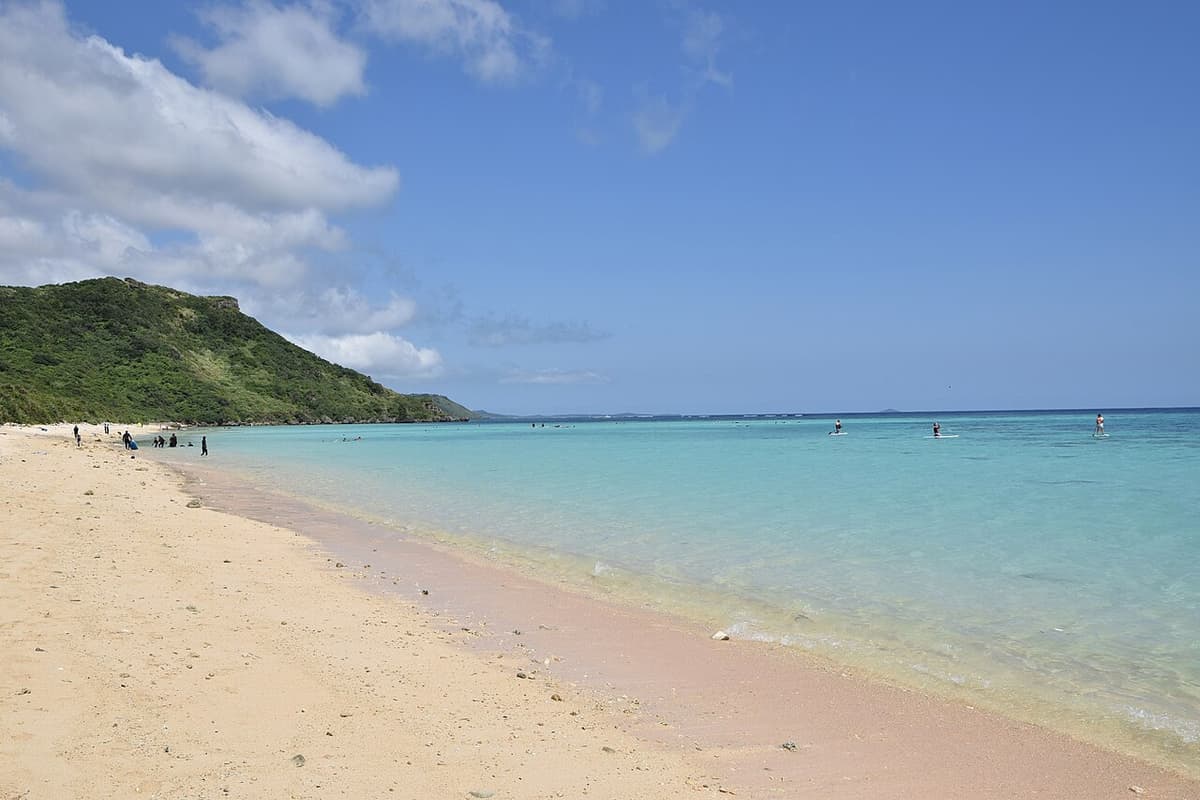
Miyako's beaches are the star of the trip. The most famous is Yonaha Maehama Beach — about 7 km of fine white sand, the grains powdery and the water luminous, often called "the Orient's finest white-sand beach," and a noted sunset spot too. It's gentle and approachable, perfect for wading, walking and doing nothing.
To snorkel among tropical fish and coral, head to beaches like Aragusuku, where the reef is just offshore — a popular Miyako snorkel spot; Sunayama Beach is known for a natural rock arch, a classic photo composition. A note: some beaches have no lifeguards or facilities, so mind the sea conditions and currents when snorkeling, go with a buddy, and if unsure, join a guided tour.
Miyako is also a serious diving destination. Off Ikema lies Yabiji, said to be Japan's largest coral reef, which surfaces only on the big spring tides — a famous, conditions-dependent outing. Around Irabu, dives like the "Toriike" (twin ponds) and various caves and arches draw divers for the dramatic underwater terrain and the clarity of the water. You don't need to dive to enjoy Miyako, but if you do, book a guided boat tour ahead, since the best sites depend on tides and weather.
Sea-crossing bridges: Irabu, Kurima, Ikema
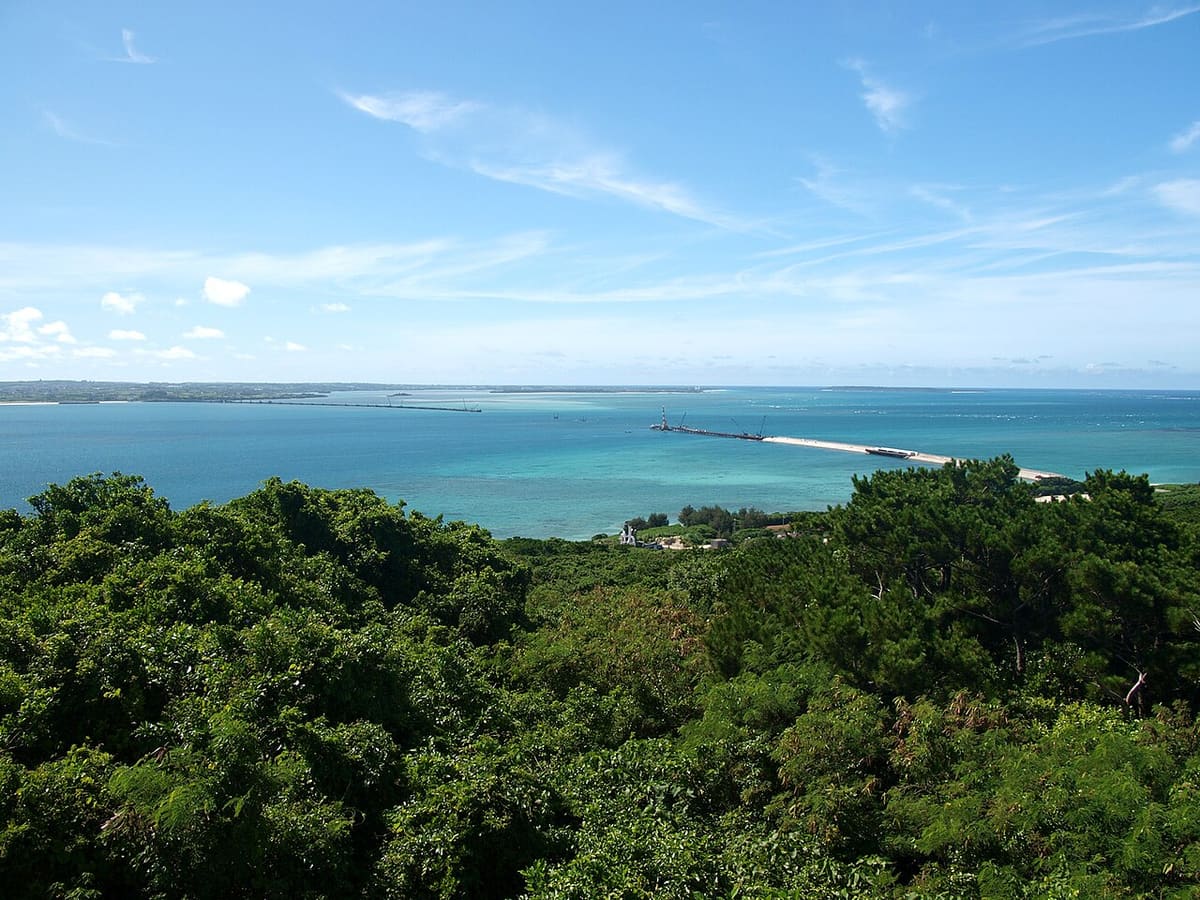
Miyako's signature experience is driving over its sea-crossing bridges. The most famous is Irabu Bridge — linking Miyakojima and Irabu Island, at 3,540 m the longest toll-free bridge in Japan (opened 2015) — and crossing it with gradient Miyako Blue on either side, the open feeling of "driving over the middle of the sea," is the island's defining image. It's about 10 minutes by car from Miyako Airport.
Two more bridges are worth driving: the Kurima Bridge to Kurima Island (with a view over Maehama and the blue from the bridge), and the Ikema Bridge to Ikema Island (gorgeous sea along the way, with the Yabiji coral reef nearby). Chaining these bridges and the islands at their far ends — Irabu's Makiyama overlook, Kurima's Ryugujo overlook — into the loop drive is the most enjoyable part of a Miyako road trip.
Cape Higashi-Henna and other sights
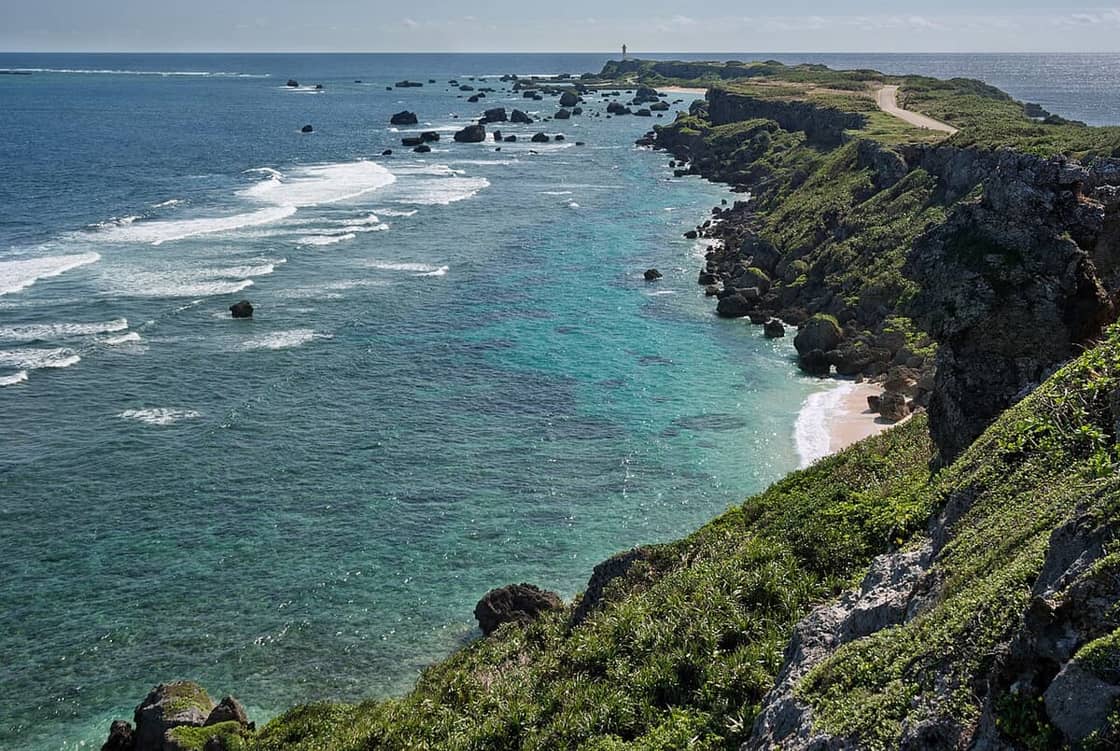
Beyond beaches and bridges, Miyako has a few more stops worth pausing at. At the east end, Cape Higashi-Henna is a thin cape about 2 km long reaching into the sea, water on both sides with a lighthouse and path at the tip and wide-open views — Miyako's signature cape scenery (one of Japan's 100 best city parks). At the end of the Shimojishima runway, "17END" is famous for the stunning shallow sea beneath landing planes (entry and parking are regulated, so follow on-site signs).
To understand Miyako's nature and culture, visit the Miyakojima Sea Park (see sea life through windows without getting in), stroll the traditional village atmosphere of the outer islands, or take in the sea from the various overlooks. Miyako's sights are mostly the "watch the sea" kind, so don't rush — driving slowly along the coast and stopping on a whim is the Miyako way.
Miyako food and snow salt
Miyako's food has an island, southern character — a few to seek out:
- Miyako soba: traditionally served with the noodles hidden under the toppings, in a light broth, a little different from the main island's Okinawa soba.
- Miyako beef: the local black wagyu, finely marbled; seafood includes sea grapes and seasonal fish.
- Snow salt (yukishio): an ultra-fine salt made from Miyako seawater, the most famous souvenir, also turned into snow-salt soft-serve and many products.
For fruit, seasonal Miyako mango is very sweet, a summer specialty. Restaurants and izakaya cluster in the Hirara town area, handy for dinner and a drink after a tiring loop drive.
Access and how many days
Access: Miyakojima has two airports — Miyako Airport (MMY) and Shimojishima Airport (SHI) on Shimoji Island — and it's about 50 minutes by flight from Naha, with some direct routes from other cities. The island has almost no useful public transport, so rent a car on arrival — the sights are scattered and only driving lets you stop freely by the sea. For car comparison and insurance, see our Okinawa car rental guide; set up a KKday Japan eSIM first for navigation and sea-condition checks.
How many days: Miyako's essence is the sea, so plan 3-4 days — a loop for Maehama, Cape Higashi-Henna and the bridges one day, snorkeling or bridge-hopping to Irabu/Kurima/Ikema another, marine activities or a beach day a third, then add diving (the Yabiji coral reef) by interest. It's a separate destination from the main island and Ishigaki, needing its own domestic flight and days to combine. Before you go, see our Japan packing & weather guide — Miyako is near-tropical and badly affected by summer-autumn typhoons, with sea activities and flights often hit by conditions, so keep the plan flexible. For the main island's northern resorts, see our Churaumi and northern Okinawa guide.
When to go and a sample plan: Miyako is warm year-round, with the swimming and marine season roughly April to October (water clearest and warmest in summer, also peak crowds and typhoon risk); spring and early summer are comfortable before the heat; and winter is mild for driving and sightseeing though cool for the water, with whale-watching offshore. A clean 4-day plan: day one arrive, pick up the car and do Maehama and the south (Cape Higashi-Henna, a sunset); day two drive Irabu Bridge to Irabu and Shimoji (17END, Toriike, beaches); day three Kurima and Ikema bridges plus a snorkel or dive; day four a flexible beach-and-buffer day before flying out. Book flights, the first night and any dive or activity well ahead, especially in summer.
Frequently Asked Questions
- Q1:What's the difference between Miyakojima and Ishigaki, and which should I pick?
- Both are Okinawan outer islands reached by air, but different in character: Ishigaki is the gateway to the Yaeyama Islands, focused on ferry "island-hopping" to Taketomi, Iriomote and others; Miyakojima wins on "Miyako Blue" sea, white-sand beaches and sea-crossing bridges, with its nearby islands almost all bridge-linked and reachable by car. Simply put: pick Ishigaki to hop islands and see different cultures; pick Miyako to focus on beaches and drive over bridges into stunning sea. They're separate trips. For ferries and island-hopping plans from Ishigaki, see our Ishigaki island-hopping guide.
- Q2:Do I need a rental car on Miyakojima?
- Almost certainly yes. Miyakojima has virtually no useful public transport, and the sights (beaches, bridges, capes) are scattered around the island, so driving is the only convenient way — and the only way to stop wherever a stretch of sea catches your eye. The island is small with simple roads, well-suited to driving. For choosing a car, insurance and tips, see our Okinawa car rental guide. Cars sell out in peak summer, so book with your flights well ahead.
- Q3:What are Miyakojima's must-see sights?
- Three classics: Yonaha Maehama Beach, about 7 km of fine white sand often called "the Orient's finest beach," and a sunset spot; Irabu Bridge, linking Miyakojima and Irabu Island, at 3,540 m Japan's longest toll-free bridge, with gradient Miyako Blue on both sides as you drive across; and Cape Higashi-Henna, a long thin cape at the island's east end with sea on both sides, a lighthouse and a path. Add the other sea-crossing bridges and the snorkeling beaches and you have Miyako's essence.
- Q4:How many days does Miyakojima need?
- Miyako's appeal is beaches, bridges and snorkeling, so plan 3-4 days: a loop for Maehama, Cape Higashi-Henna and the bridges one day, snorkeling or "bridge-hopping" to Irabu, Kurima and Ikema another, and marine activities (snorkel, SUP) or a beach day a third. It's a separate destination from the main island and Ishigaki, needing its own domestic flight to combine. Most fly to Miyako specially for that sea — give it the extra days to enjoy it slowly.
- Q5:What should I eat on Miyakojima?
- Miyako's food has an island character: Miyako soba, traditionally served with the noodles hidden under the toppings, in a light broth, a little different from the main island's; Miyako beef, the local black wagyu; and seafood like sea grapes and seasonal fish. The most famous souvenir is "snow salt" (yukishio), an ultra-fine salt made from Miyako seawater, also turned into snow-salt soft-serve and many products; and seasonal mango is very sweet, a summer specialty. Restaurants cluster in the Hirara town area.
- Q6:Where do I fly to Miyakojima from?
- Miyakojima has two airports: Miyako Airport (MMY) and Shimojishima Airport (SHI) on Shimoji Island. It's about 50 minutes by flight from Naha, with some direct routes to Miyako or Shimojishima from other cities. By the Shimojishima runway end, "17END" is famous for the gorgeous shallow sea beneath landing planes (entry and parking are regulated, so follow on-site signs). The island has no useful public transport, so rent a car on arrival. For the main island, see our Naha guide.