In early 2023, the New York Times named Morioka the No.2 place to go in the world, second only to London — and the whole city was, by local accounts, stunned. How does a regional prefectural capital in Tohoku beat Paris and Kyoto? The answer is not one super-sight, but a vibe: a city you can walk end to end, Meiji and Taisho Western-style architecture, jazz kissaten and coffee shops, and the "three Morioka noodles." And the practical kicker: it is about 2 hours 10–12 minutes from Tokyo on the Hayabusa Shinkansen — far closer than most people assume. This guide covers how to eat the three noodles (wanko soba, reimen, jajamen), a walking route through Morioka Castle Park, the Tatsuno red-brick bank and the rock-splitting cherry, the suburban Koiwai Farm and Mt. Iwate, and transport and lodging — including blunt calls on which noodle to try first and whether Koiwai is worth the detour. Chain south to UNESCO Hiraizumi; the return logistics are in our Tokyo itinerary.
- NYT No.2 in the world for 2023: Morioka sells a "walkable slow city," not a single headline sight
- ~2h10 from Tokyo: direct on the Hayabusa, about ¥15,450 one way, frequent trains
- Three noodles: reimen is easiest to like (Pyonpyon-sha), jajamen is homely (Pairon from ¥600), wanko soba is the group experience (Azumaya from ¥3,150)
- Downtown on foot: Castle Park (free) + Red Brick bank (¥300) + the rock-splitting cherry in one walkable loop
- Suburban add-on: Koiwai Farm (35 min by bus, ¥800) with Mt. Iwate and the lone cherry — best with kids or in blossom season
📖 Contents
Why Morioka took the NYT No.2 spot
Let me put the weight of this in context: the New York Times' annual "52 Places to Go" carries real clout in the travel world, and for 2023 it placed Morioka at No.2, losing only to London — ahead of Paris and Kyoto. The local reaction was, by every account, genuine shock. But if you arrive expecting one super-landmark to gawk at, you will be let down — Morioka's appeal is the whole, not any single part. What the NYT writer actually praised was a city you can stroll at leisure, lined with Meiji and Taisho wakon-yosai (Japanese-Western blend) buildings, dotted with coffee shops, jazz kissaten, and used bookstores, and anchored by bowls of local noodles. In other words, Morioka sells a city whose pace and density happen to be just right. My framing is direct: Morioka suits travelers who like to wander slowly, drink coffee, look at old buildings, and eat local food — not those chasing a dense run of photo stops. Plan it as "slow down in Tohoku for half a day to two days," and the expectation lands right.
The three Morioka noodles: which first
Coming to Morioka and skipping the "three noodles" is like not coming at all. But most people are stuck on "limited time, one or two bowls only," so here is the call, straight. Each bowl has its own character:
Morioka reimen: try this one first
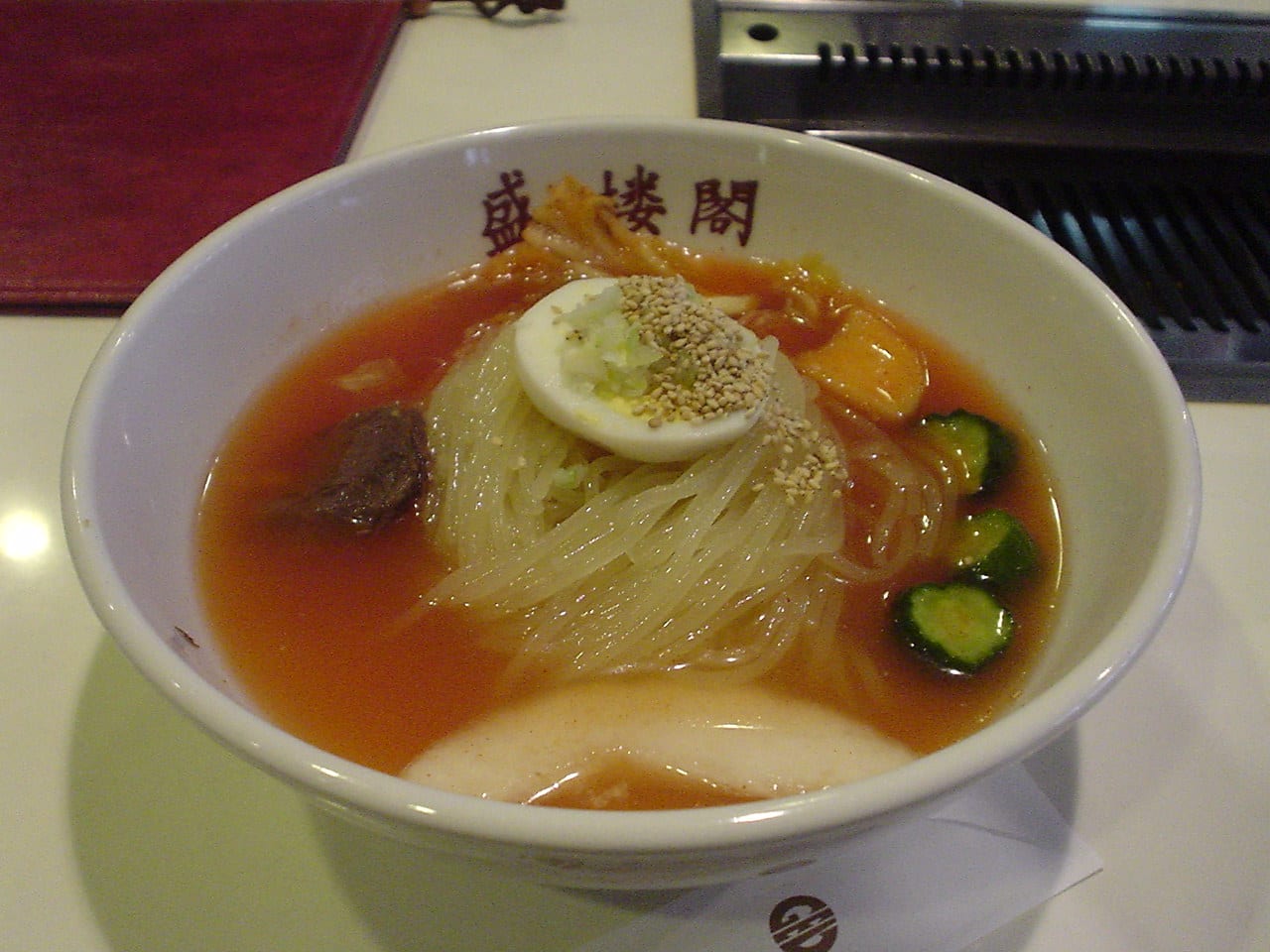
If you can pick only one, start with Morioka reimen. Rooted in Korean cold noodles and refined by local yakiniku restaurants into a translucent, intensely chewy noodle in a spicy (kimchi-tinged) cold broth, usually topped with a slice of watermelon or apple to cut the heat. It is the easiest of the three to like and especially refreshing in summer. The standout, Pyonpyon-sha, has a branch right in front of JR Morioka Station — the easiest for visitors to find — and its noodle-plus-yakiniku sets are popular, though you can order the reimen on its own. For a first-timer with one meal to spend, this is the safe bet.
Jajamen: homely, with an insider finish
Jajamen is the most everyday of the three: a flat udon-style noodle tossed with house meat miso, cucumber strips, and scallion, then dressed to taste with chili oil, vinegar, and garlic. It traces back to the zhajiangmian a founder ate in old Manchuria before the war, reworked back home into a local flavor. The originator, Pairon (Hakuryu), sits near Morioka Castle Park; per its menu, a small is ¥600, regular ¥700, large ¥810. The insider move comes at the end: when a little noodle is left, crack a raw egg into the bowl, stir it, and ask the staff to add the noodle-boiling water with scallion and miso, turning it into an egg-drop soup called "chiitantan." Do not skip that step — it is the soul of jajamen.
Wanko soba: experience over flavor
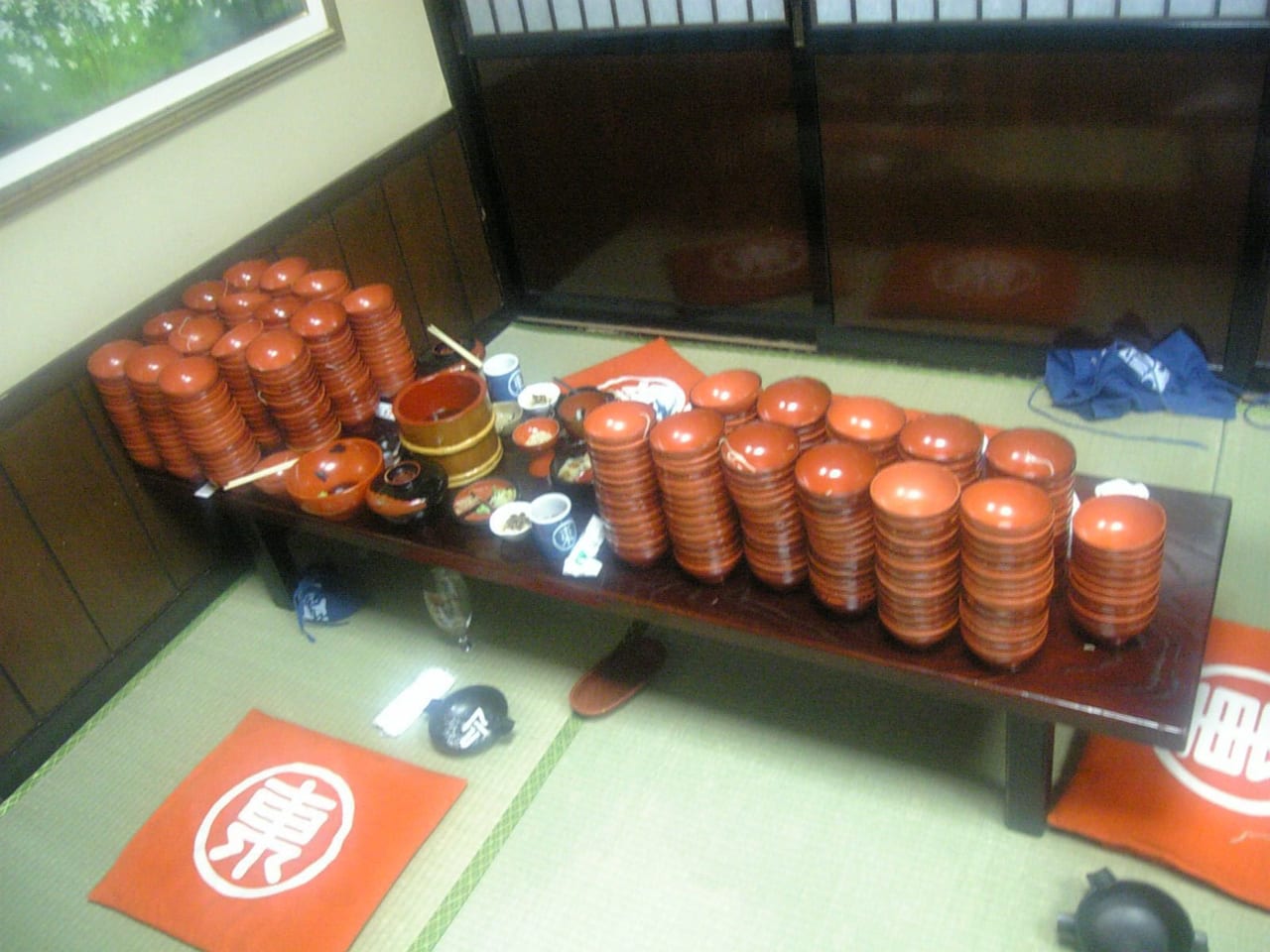
Wanko soba is Morioka's most famous noodle, and the one I would eat last — because it sells the experience, not the taste. Bite-sized portions of soba arrive in tiny bowls, and a server stands beside you tipping bowl after bowl into yours, calling out the rhythm; you keep getting refilled until you slap the lid on, and clearing 100 earns a "certificate." Per Azumaya, a set runs from about ¥3,150, with roughly 15 small bowls equal to one normal serving of soba. The point: this works best as a group game, comparing tallies — solo, it falls flat. It is generally walk-in by arrival order, with some weekday seats reservable and weekends/holidays usually not; check the official site before you go. So my eating order is clear: reimen, then jajamen, then wanko soba — saved for a meal with company.
A downtown walking route
The best thing about central Morioka is exactly what the NYT flagged — almost every highlight links up on foot. Here is a route that flows: from JR Morioka Station, walk along the Nakatsu River toward Uchimaru and hit the Iwate Bank Red Brick building first.
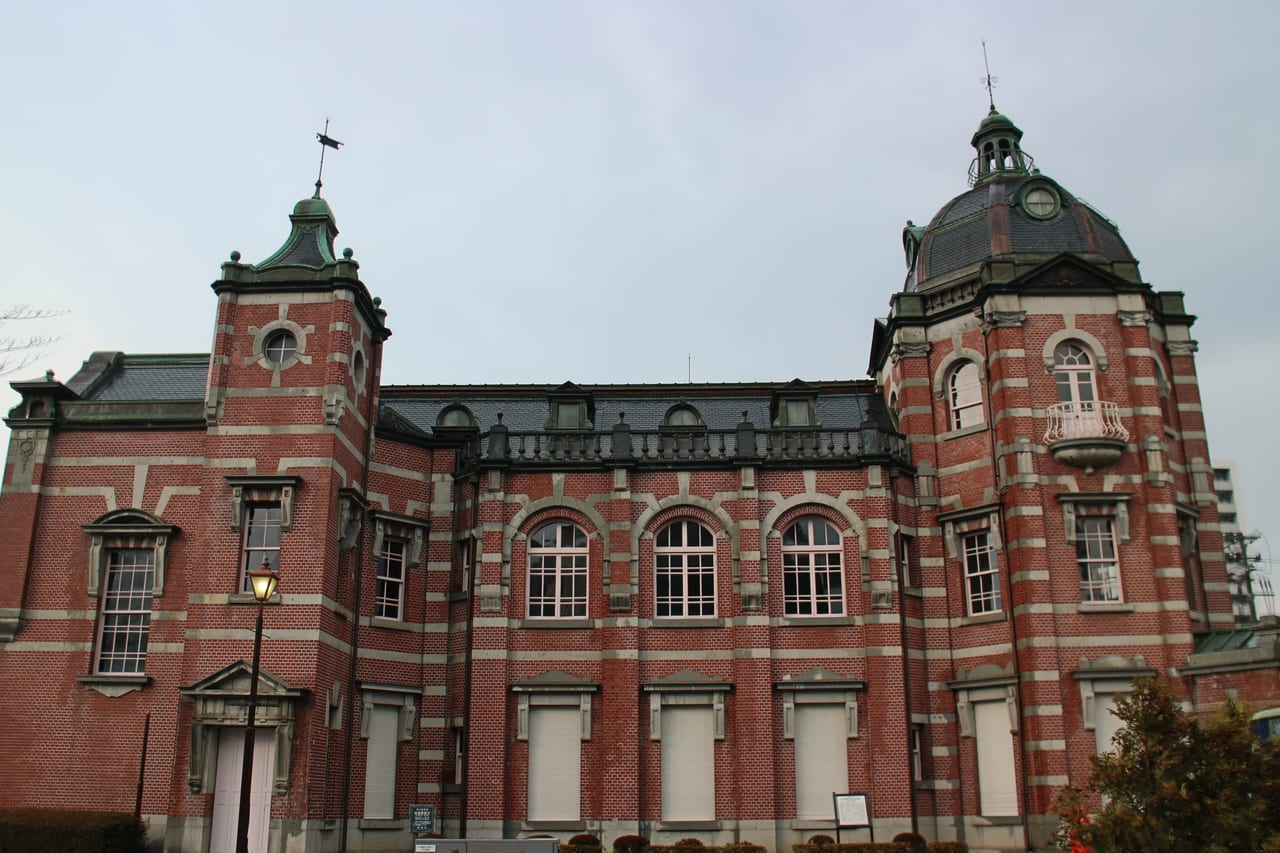
The Red Brick building is Morioka's signature structure: completed in 1911 (Meiji 44) as the former Morioka Bank head office, designed by Kingo Tatsuno — the architect of Tokyo Station — with his pupil Manji Kasai, a Morioka native. It is the only surviving Tatsuno work in Tohoku, and the red brick with white granite trim really does call Tokyo Station to mind. Admission is ¥300 for the Morioka Bank zone and free for the Iwate Bank zone, open 10:00–17:00 (last entry 16:30), closed Tuesdays and over New Year. Two minutes away is Morioka Castle Park (Iwate Park) — the ruins of the Nanbu clan's castle, with well-preserved granite stone walls, free to enter and lovely across all four seasons.
Walk on to the grounds of the Morioka District Court for the city's strangest landmark — the rock-splitting cherry (Ishiwari-zakura). This Edo-higan cherry grew straight out of a crack in a massive granite boulder, is estimated at over 360 years old, and was designated a National Natural Monument in 1923. It blooms around mid-to-late April, when a burst of pink-white erupts from the split stone — Morioka's most emblematic spring scene. Along the way, the Konya-cho and Sakana-cho streets keep their old machiya, century-old miso and soy-sauce shops, and coffee kissaten — exactly the "wander at leisure" district the NYT writer described. Excluding meals, the whole loop is about half a day, and it is the essence of downtown Morioka.
Mt. Iwate & the river city view
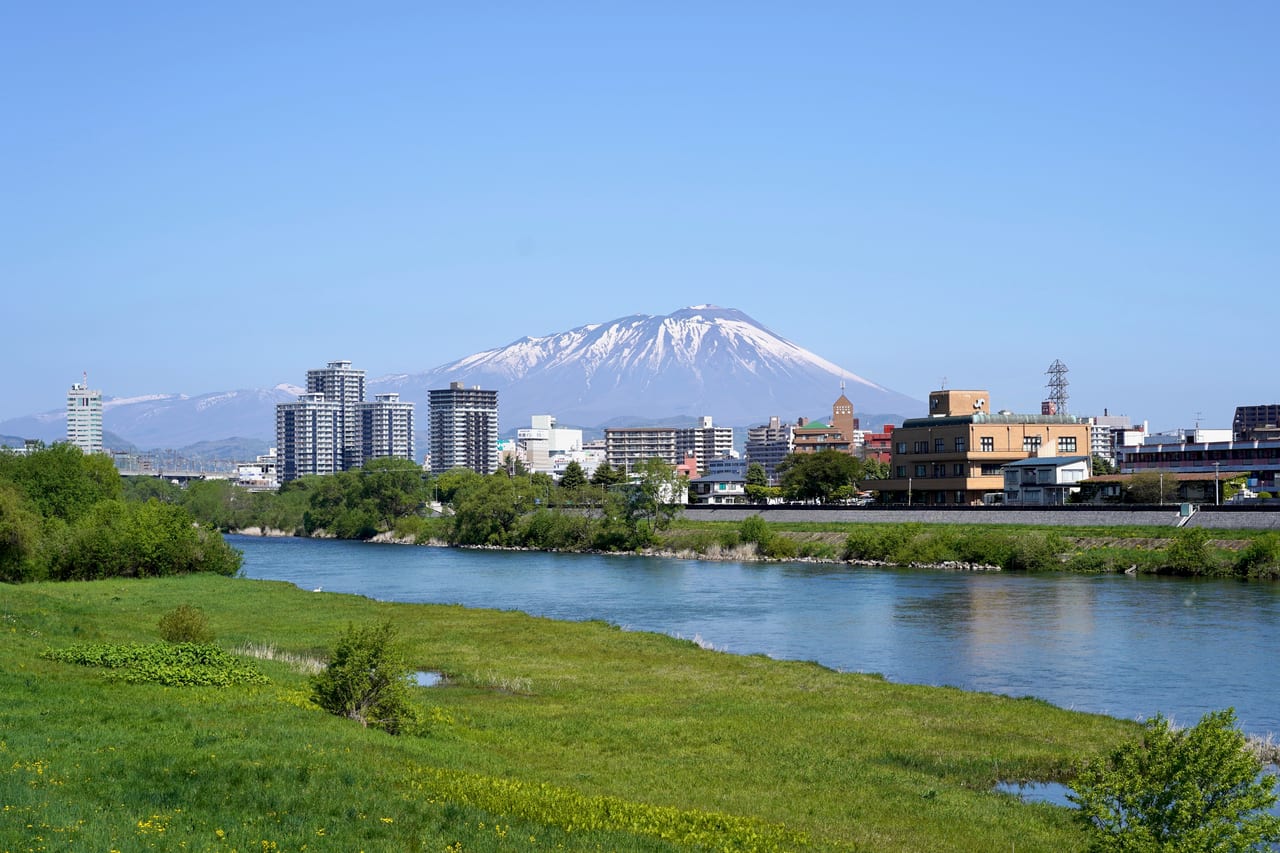
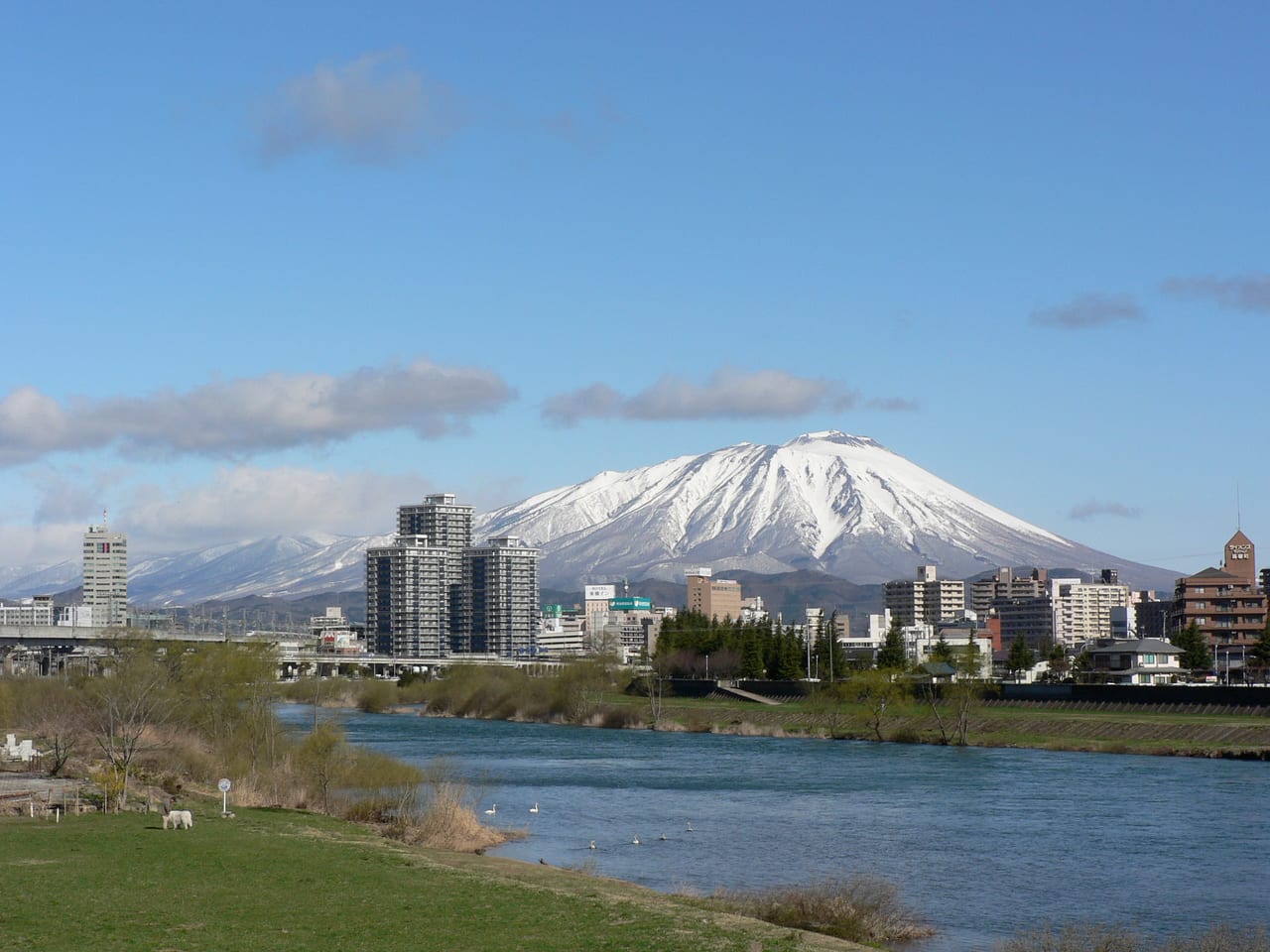
Morioka has an edge few cities share: look up from downtown and a whole volcano stands there. That is Mt. Iwate (2,038 m) — the highest peak in Iwate Prefecture and one of Japan's 100 Famous Mountains. Its symmetry, seen from the Morioka side (omote-Iwate) with a long trailing skirt, earns it the nickname "Nanbu Fuji" (from asymmetric angles it is the "Nanbu kata-Fuji," the one-sided Fuji). It is an active volcano, still rumbling today. You do not need to climb it — just standing in Morioka Castle Park, along the Kitakami River, or looking out the Shinkansen window, that snow-capped cone sits behind the city, the classic Morioka composition. The Kitakami, Nakatsu, and Shizukuishi rivers meet downtown, and the riverside walks are pleasant, especially at dusk with the light on Mt. Iwate.
Koiwai Farm: worth the detour?
Morioka's most famous suburban sight is Koiwai Farm — Japan's largest private integrated farm, whose tourist zone is called Makiba-en. It is about 35 minutes by local bus from Morioka Station, with admission of ¥800 for adults (junior high and up) and ¥300 for children (age 5 to elementary) (subject to seasonal change, and hours shift by season, so check the official site). Let me be honest up front — whether it is worth the detour depends on whether you have kids and whether the season is right.
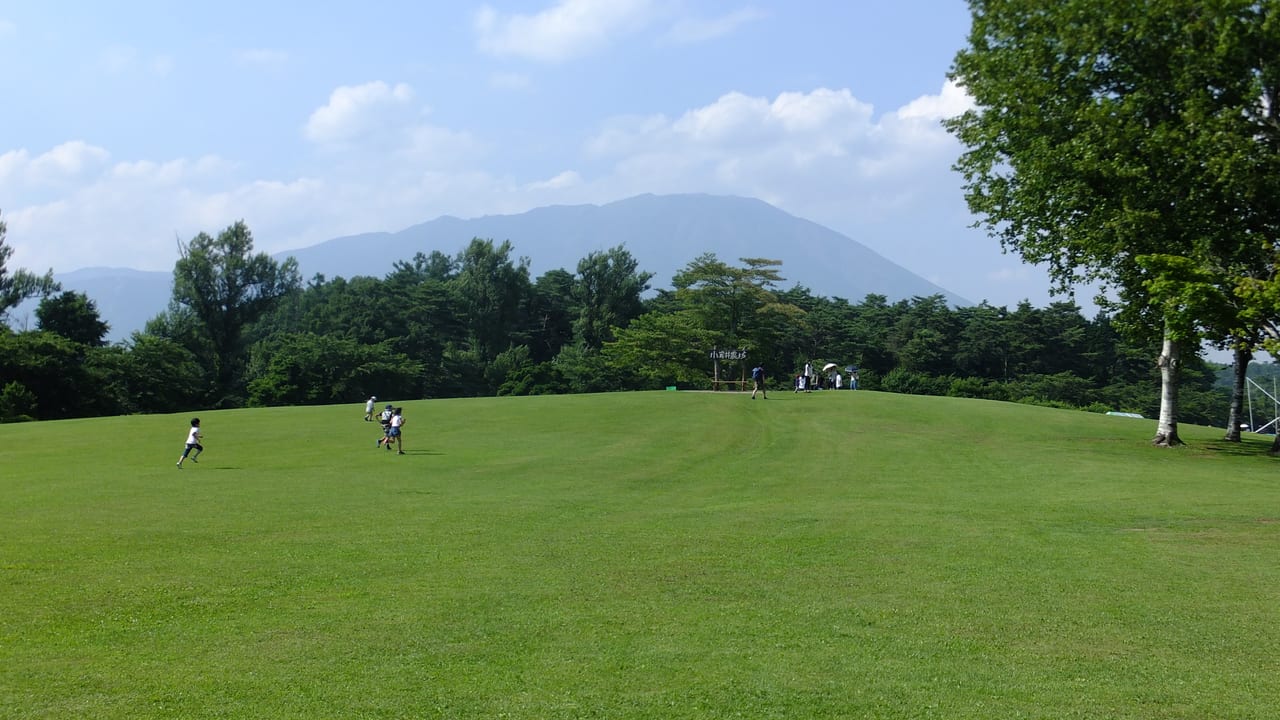
Its strongest draw is the wide pasture scenery set against Mt. Iwate: green grass, sheep, red-roofed barns, and that snow-capped Nanbu Fuji behind — a genuinely soothing scene you cannot get downtown. Inside you can feed animals, ride a horse, and try the farm's own soft serve and dairy, and families almost always have a great time. The other highlight is the lone "one cherry tree" on the farm's edge — a single cherry framed by the snow-capped volcano, a fixture in Japanese photography each spring, blooming roughly late April to early May (weather depending).
My verdict: with kids, or if you catch cherry-blossom or fresh-green season, it is well worth the special trip; but if you are on a pure downtown wander, or it is winter or overcast and Mt. Iwate is hidden, the farm loses a lot of its magic — in that case I would give the half-day back to downtown and the noodle shops and skip Koiwai. Do not force it just because you "came all this way" — let the weather and your travel companions decide.
Best season, cherry & autumn timing
Morioka has four distinct seasons, each with its own draw, but two peaks are worth timing for:
- Spring cherry (mid-to-late April to early May): Morioka blooms about 2–3 weeks later than Tokyo. The rock-splitting cherry opens around mid-to-late April, Morioka Castle Park follows, and the suburban Koiwai one cherry tree comes later, late April into early May against the snow-capped Mt. Iwate — the prettiest stretch of the year. For the nationwide timeline, see our Japan cherry blossom guide.
- Summer: peak reimen season, and the big Morioka Sansa Odori festival in early August fills the streets.
- Autumn (mid-October to early November): Morioka Castle Park and the Nakatsu riverbanks turn red, with the suburban Hachimantai and Mt. Iwate slopes coloring earlier. For the nationwide foliage timeline and packing, see our Japan autumn foliage guide.
- Winter: it snows, and a white-capped Mt. Iwate is beautiful, but parts of Koiwai and its outdoor activities are limited and Mt. Iwate is more often hidden — a pure downtown wander still works. Pre-trip packing is in our Japan packing & weather guide — Tohoku winters run far colder than Tokyo.
Transport & lodging
Think of Morioka's transport in three layers and you will not get tripped up.
- Getting in (Shinkansen): Tokyo → Morioka on the Tohoku Shinkansen "Hayabusa", fastest at about 2 hours 10–12 minutes, around ¥15,450 one way (per JR East fares; the Hayabusa is all-reserved). Morioka is the junction where the Tohoku, Akita, and Hokkaido Shinkansen split, so trains run frequently in both directions — an ideal waypoint for a Tohoku trunk-line trip.
- Downtown: the core sights (station-front noodle shops, the Red Brick bank, Castle Park, the rock-splitting cherry, Konya-cho) are almost all walkable — the very basis of its "walkable city" billing. When your legs tire, the Den-den-mushi loop bus circles downtown conveniently.
- Suburbs: Koiwai Farm is about 35 minutes by local bus, not especially frequent, so lock in your outbound and return times; driving works too, though you will not need a car downtown.
If the wider trip (Tokyo + Sendai + Hiraizumi + Morioka, even onward to Aomori or Hokkaido) leans heavily on the Shinkansen and JR, run the break-even math in our JR Pass guide for a regional pass like JR East or JR East South Hokkaido; for a simple Tokyo–Morioka round trip, point-to-point tickets usually suffice. For lodging, the smart move is to stay around Morioka Station or downtown — plenty of business hotels at reasonable prices, walking distance to the noodle shops and sights, the most efficient base. If you want an onsen, the suburban Tsunagi Onsen (overlooking Lake Gosho and Mt. Iwate) has ryokan worth an extra night. Peaks (cherry season, Sansa Odori, autumn weekends, long holidays) get tight, so book early.
A two-day plan
Here is the same content shaped into a route that flows:
- Day 1 (downtown wander + the three noodles): Shinkansen to Morioka → drop bags → lunch on Morioka reimen (Pyonpyon-sha station branch) → afternoon walking the core: Iwate Bank Red Brick building → Morioka Castle Park → the rock-splitting cherry → Konya-cho old streets and kissaten → dusk by the Kitakami River with Mt. Iwate → dinner of jajamen at Pairon, finished with a chiitantan → downtown hotel.
- Day 2 (suburbs or south, pick one): with kids or in blossom season, morning bus to Koiwai Farm for Mt. Iwate, the lone cherry, animals, and soft serve, then back to town or onward; for World Heritage, head south instead to Hiraizumi's Chusonji golden hall (about 40 minutes by Shinkansen plus local line). Evening Shinkansen back to Tokyo from Morioka, or onward to Sendai or Aomori.
If you can only manage a day trip, drop the suburbs and focus downtown: "reimen + Red Brick bank + Castle Park + rock-splitting cherry + a bowl of jajamen" fills a half-day to a day perfectly — and that is exactly the Morioka the NYT praised. For a deeper Iwate trip, Morioka plus Hiraizumi is the most natural two-day combo, and chaining south to Sendai makes a 3–4 day Tohoku trunk run; the Tokyo in/out and itinerary are in our Tokyo 5-day itinerary.
FAQ
- Q1:Is Morioka worth a special trip, and how many days do you need?
- Yes, but set your expectations right first. Morioka was the New York Times No.2 "place to go" in 2023, behind only London — and the reason was not one headline sight, but the whole package: a walkable city, Meiji and Taisho Western-style buildings, coffee and jazz cafes, and the famous three noodle dishes. It is a slow-city kind of place, not a checklist of big-ticket attractions. The downtown core (Morioka Castle Park, the Iwate Bank Red Brick building, the Nakatsu River, the rock-splitting cherry, the noodle shops) is a half-day to a day on foot. Add the suburban Koiwai Farm, or chain south to UNESCO-listed Hiraizumi, and an overnight (two days) is the sweet spot. A forced day trip gets eaten by transit, so stay a night and eat slowly.
- Q2:The three Morioka noodles — if I can only try one, which comes first?
- If it is your first visit and one bowl is all you have time for, I would say start with Morioka reimen — it is the most universally easy to like: a chewy, Korean-influenced cold noodle in a spicy (kimchi-edged) cold broth, usually with a slice of fruit on top. Pyonpyon-sha has a branch right by Morioka Station, the easiest for visitors to find. Wanko soba is experience over flavor: per Azumaya, a set runs from about ¥3,150, with roughly 15 small bowls equaling one normal serving — a server stands beside you tipping bowl after bowl until you cap your bowl, and clearing 100 earns a certificate. It is best with a group, awkward solo. Jajamen is a homely flat-noodle dish with meat miso; the originator Pairon (Hakuryu) starts at ¥600 for a small. My order: reimen, then jajamen, then save wanko soba for a meal with company.
- Q3:How long is Tokyo to Morioka, and do I need a JR Pass?
- Tokyo to Morioka is a direct ride on the Tohoku Shinkansen "Hayabusa", fastest at about 2 hours 10–12 minutes, roughly ¥15,450 one way (per JR East fares; the Hayabusa is all-reserved, so the exact figure varies by train and seat). Morioka is the junction where the Tohoku, Akita, and Hokkaido Shinkansen split, so trains are frequent and you rarely wait. Whether a pass pays off depends on the wider trip: for a simple Tokyo–Morioka round trip, point-to-point tickets usually win, but if you string together Sendai, Hiraizumi, Aomori, even Hokkaido, run the break-even math in our JR Pass guide for a regional pass like JR East South Hokkaido.
- Q4:How do I spend a half-day in downtown Morioka?
- The beauty of Morioka downtown is that nearly everything links up on foot. A clean route: from JR Morioka Station, follow the Nakatsu River to the Iwate Bank Red Brick building — designed by Kingo Tatsuno, the architect of Tokyo Station (¥300 for the Morioka Bank zone, free for the Iwate Bank zone, 10:00–17:00, closed Tuesdays) — then walk two minutes to Morioka Castle Park (Iwate Park) for its granite stone walls and seasonal trees, free to enter. From there, head to the Morioka District Court grounds to see the rock-splitting cherry (Ishiwari-zakura), growing out of a giant boulder, over 360 years old, blooming in mid-to-late April. Thread in the old machiya, cafes, and jazz kissaten of the Konya-cho and Sakana-cho streets. Excluding meals, the loop is about half a day — the essence of the "walkable city" the NYT praised.
- Q5:Is Koiwai Farm worth a detour from Morioka?
- It depends on whether you have kids and whether the season is right. Koiwai Farm (Makiba-en) is about 35 minutes by local bus from Morioka Station, with admission of ¥800 for adults (junior high and up) and ¥300 for children (age 5 to elementary), subject to seasonal change. Its strongest draw is the wide pasture scenery set against Mt. Iwate (2,038 m, nicknamed the "Nanbu Fuji"), plus the signature lone "one cherry tree" framed by the snow-capped volcano — a famous photo spot in late April to early May. With kids, or in cherry-blossom or fresh-green season, it is well worth the detour; but for a pure downtown trip, or in winter or poor weather when Mt. Iwate is hidden, the value drops, and I would give that time back to downtown and the noodle shops instead.
- Q6:Where can I pair with Morioka, and how do I extend the trip?
- Morioka is a great waypoint on the Tohoku trunk line. Just south, in the same Iwate Prefecture, is Hiraizumi — Chusonji's golden hall (Konjikido) and Motsuji are a UNESCO World Heritage site, about 40 minutes away by Shinkansen plus local line; see our Hiraizumi & Chusonji guide. Morioka plus Hiraizumi is the most natural two-day Iwate combo. Further south is Tohoku's biggest city, Sendai (about 40 minutes by Shinkansen), for beef tongue and Matsushima — see our Sendai travel guide. "Tokyo → Sendai → Hiraizumi → Morioka" chains together neatly by Shinkansen; the Tokyo end is in our Tokyo 5-day itinerary.
Related reading:
Hiraizumi Guide 2027: Chusonji Golden Hall, Motsuji Garden & World Heritage
The World Heritage golden-age capital of the Northern Fujiwara — Chusonji's gold-leaf Golden Hall, Motsuji's Pure Land garden and the history of Yoshitsune.
Sendai Travel Guide 2027: Matsushima, Aoba Castle, Zuihoden & Gyutan
Tohoku's gateway and City of Trees — Matsushima of the Three Views, Date Masamune's Aoba Castle ruins and Zuihoden, Jozenji-dori, gyutan and zunda.
Tokyo 5-day itinerary 2026
A clear 5-day plan: Shinjuku base, two zones per day, honest budget.