The 1-day Osaka Amazing Pass (was ¥3,300, raised to ¥3,500 in March 2026) gets you into 5 headline paid attractions: Umeda Sky Building (¥2,000), HEP FIVE Ferris Wheel (¥1,000), Osaka Castle Main Tower (¥1,200), Tsutenkaku Tower (¥1,500), Dotonbori River Cruise (¥2,000) — that's ¥7,700+ in face value, saving over ¥4,000 with the Pass. But with the same Pass, if you only hit 1-2 spots plus shopping, you actually lose ¥1,500+. The Amazing Pass isn't a "is it worth it" question — it's a "did you plan right" question. This guide uses each attraction's real ticket price to walk through whether 1-day or 2-day fits you, the 5 most profitable routes, the itineraries that actually lose money, and the KKday vs on-site comparison.
⚠️ 2026 Osaka attraction price hikes (verified May 2026): The 5 headline attractions saw across-the-board increases. Osaka Castle ¥600 → ¥1,200 (2025-04, doubled), Tsutenkaku ¥1,000 → ¥1,500 (2026-04), HEP FIVE ¥800 → ¥1,000 (2026-04), Dotonbori Cruise ¥1,500 → ¥2,000. Net effect: the Pass became MORE valuable because the same Pass price now covers higher face-value tickets.
- 1-day ¥3,500: 3 headline paid attractions breaks even (Umeda Sky ¥2,000 + Tsutenkaku ¥1,500 + Osaka Castle ¥1,200 = ¥4,700)
- 2-day ¥5,000: better for relaxed schedules — daily average ¥2,500 is ¥1,000 cheaper than 1-day; post-Mar-2026 hike actually improved its value
- USJ and Kaiyukan Aquarium are NOT included — this is the most common misunderstanding
- KKday is the same price as on-site, but saves 15-30 min in peak-season queues
- 4 traveler types should NOT buy: pure shoppers, USJ-focused, aquarium-focused, Kyoto-bound from KIX
📖 Article contents (click to expand)
- What is the Amazing Pass? 1-day vs 2-day compared
- 40+ free-entry attractions (top 12 + full list reference)
- ⭐ 5 golden routes — real break-even math per route
- Decision tree: 1-day / 2-day / skip the Pass
- 4 types of travelers who should NOT buy
- Amazing Pass vs Osaka 1-Day Subway vs ICOCA
- Where to buy: online only now
- FAQ
What is the Amazing Pass? 1-day vs 2-day compared
The Osaka Amazing Pass is an "attractions + transit" combo ticket issued by the Osaka Convention & Tourism Bureau. Here's the 2026 version:
| 1-Day | 2-Day | |
|---|---|---|
| Price (adult) | ¥3,500 | ¥5,000 |
| Daily average | ¥3,500 | ¥2,500 |
| Free attractions | 40+ | 40+ |
| Transit coverage | Osaka Metro + City Bus + partial Hankyu/Hanshin/Keihan/Nankai/Kintetsu | Osaka Metro + City Bus only (smaller footprint) |
| Usage rule | Single calendar day | Must be 2 consecutive days (can't skip) |
Key differences:
- 1-day has wider transit coverage (includes some private rail), better for "go far + dense attractions" itineraries
- 2-day daily average is cheaper, better for "spread across two days" pacing
- 2-day must be used on consecutive days — skipping a day in the middle wastes the second day
From October 1, 2026 there is also a 28-hour Kansai Airport version at ¥5,300 (adults only, on sale until March 31, 2027). It is the regular Pass plus one single Nankai ride boarding at Kansai Airport and exiting at Namba. Officially that direction only — Namba back to the airport is not covered, so budget a separate fare for the return; no stopovers between the airport and Sakai, and airport buses are excluded. It pays off if you start sightseeing the moment you land; if day one is just dropping bags at the hotel, keep a normal 1-day Pass for the next day.
40+ free-entry attractions (top 12 by value)
Top 12 attractions ranked by face-value (savings per visit):
| Attraction | Face value | Zone | Suggested visit time |
|---|---|---|---|
| Umeda Sky Building Floating Garden | ¥2,000 (Pass covers 9:30–15:00 only) | Umeda | 1-1.5 hr |
| Dotonbori River Cruise | ¥2,000 | Namba | 40 min (incl. queue) |
| Tsutenkaku Observatory | ¥1,500 | Shinsekai | 1 hr |
| HEP FIVE Red Ferris Wheel | ¥1,000 | Umeda | 20 min |
| Tempozan Giant Ferris Wheel | ¥800 | Port | 20 min |
| Santa Maria sailing ship cruise | ¥1,800 | Port | 45 min |
| Osaka Castle Main Tower (Tenshukaku) | ¥1,200 | Osaka Castle | 1.5-2 hr |
| Osaka Castle Gozabune boat | ¥1,500 | Osaka Castle | 30 min |
| Shitennoji Chushin Garan | ¥300 | Tennoji | 1 hr |
| Sumiyoshi Taisha Shrine Hall | ¥500 | Sumiyoshi | 30 min |
| Kinutani Koji Sky Museum | ¥1,000 | Umeda | 1 hr |
| SHIP'S MAGIC 4D theater | ¥1,200 | Port | 30 min |
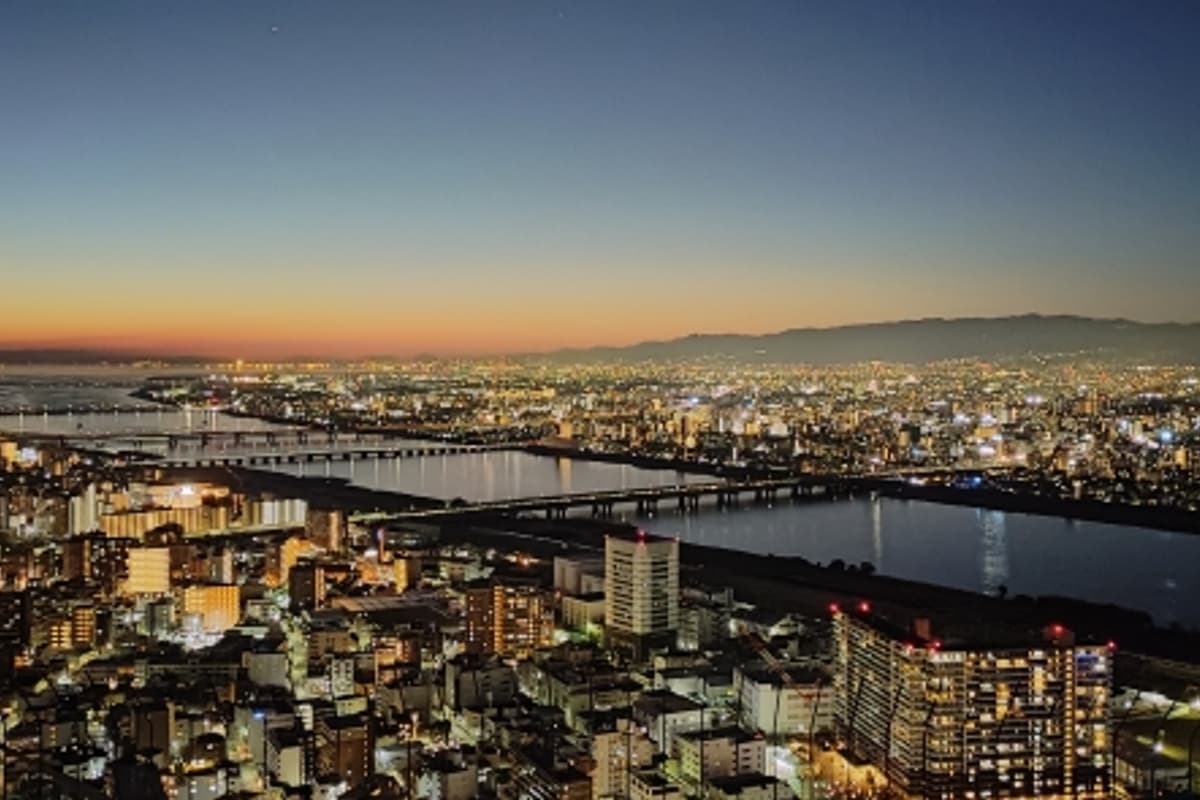
🔴 The Umeda Sky Building carries a timing trap, and it lands squarely on the hours you would most want to be up there. The official terms are explicit: show the Pass between 9:30 and 15:00 and entry is free; from 15:00 to 22:00 you get 10% off and nothing more. Sunset and the night view — the whole point of that open-air rooftop ring — are outside the free window, so budget roughly ¥1,800 for them. Route A below opens at 9:00 not only for soft light and thin crowds but so the Pass actually pays for that stop. If night views are what you came for, take Umeda out of your break-even maths and treat it as a separate paid ticket, or you will overestimate what the Pass is worth.
The other 30 spots include Osaka Museum of History, Kamigata Ukiyoe Museum, Sakishima Cosmo Tower Observatory, Nakanoshima Rose Garden Conservatory, and Spa World 1-day pass (2-day Pass + restricted dates only). The complete list is in the official "Osaka Amazing Pass" app — download before you go.
⭐ 5 golden routes — real break-even math per route
Route A: Umeda full sweep (1-day Pass)
Best for: first-time Osaka, staying near Umeda
- 9:00 Umeda Sky Building Floating Garden (¥2,000)
- 11:00 Kinutani Koji Sky Museum (¥1,000)
- 13:00 HEP FIVE Ferris Wheel (¥1,000)
- 14:30 Lunch + shopping at LUCUA / Daimaru (free)
- 16:00 Nakanoshima Rose Garden + Nakanoshima Library (free)
- 18:00 Osaka Castle Tower (¥1,200)
4 paid attractions face value ¥5,200 (post-2026 hike) → 1-day Pass ¥3,500, save ¥1,700. Add transit ¥800 (4-5 Metro rides) for real savings of ¥2,500.
Route B: Port + ocean day (1-day Pass)
Best for: families with kids, photographers
- 9:30 Tempozan Giant Ferris Wheel (¥800)
- 10:30 Santa Maria sailing ship 50-min harbor cruise (¥1,800)
- 13:00 Lunch in the Kaiyukan dining area (no ticket needed for restaurants)
- 14:30 SHIP'S MAGIC 4D theater (¥1,200)
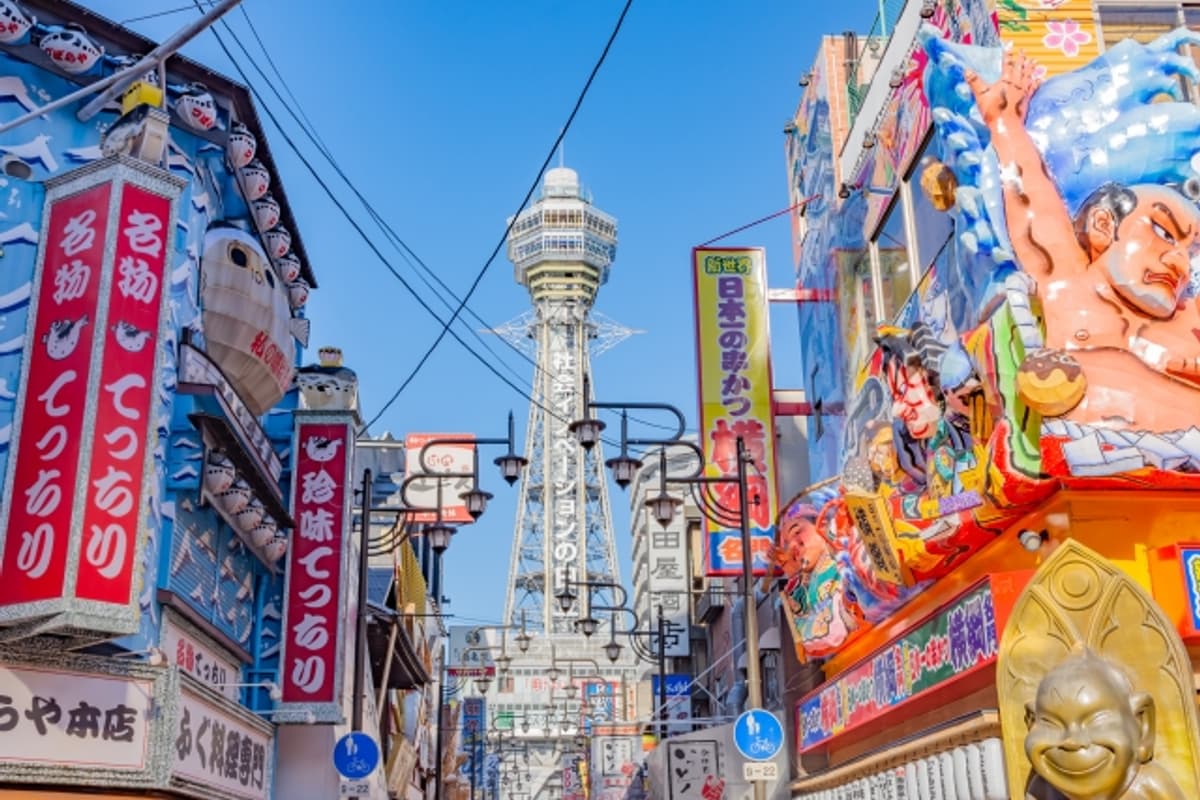
- 16:00 Transit to Tsutenkaku (¥1,500)
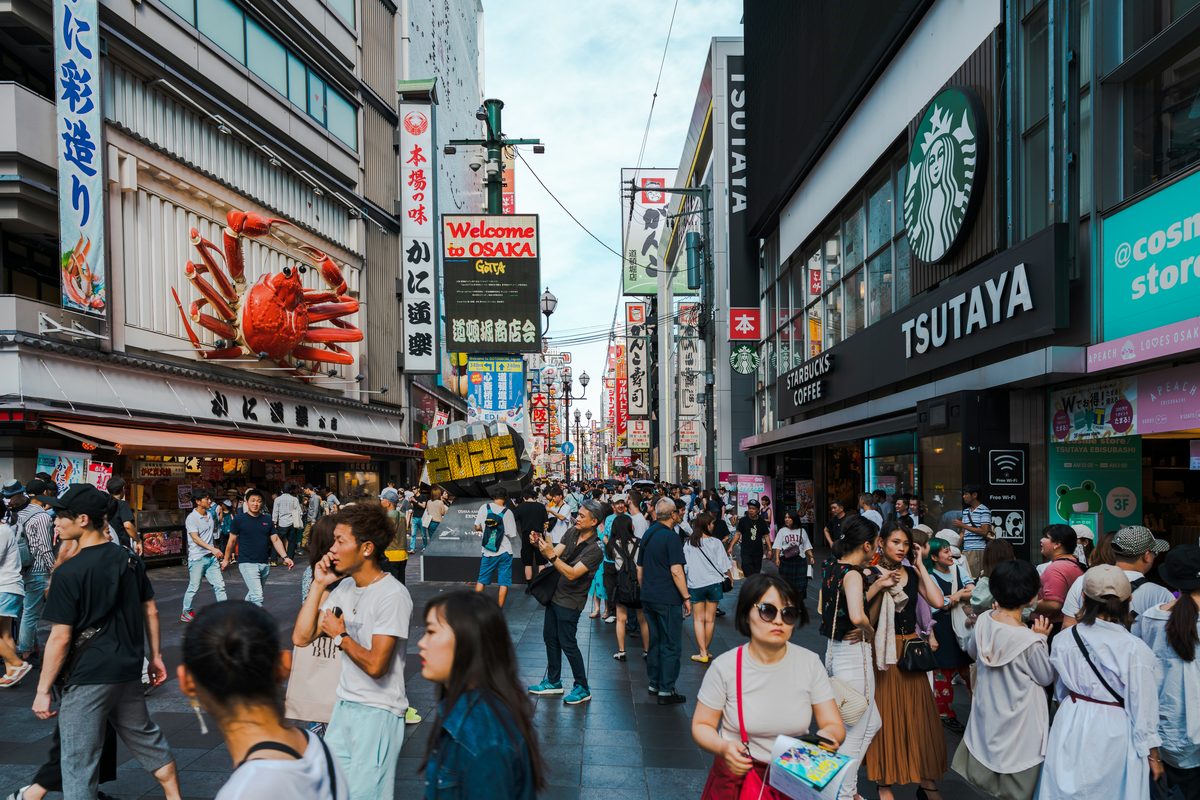
- 18:00 Dotonbori River Cruise (¥2,000)
Total face value ¥6,300 → 1-day Pass ¥3,500, save ¥2,800 — the most profitable single-day route in this list.
Route C: History + culture deep dive (2-day Pass)
Best for: second-time Osaka, crowd-avoidance focus
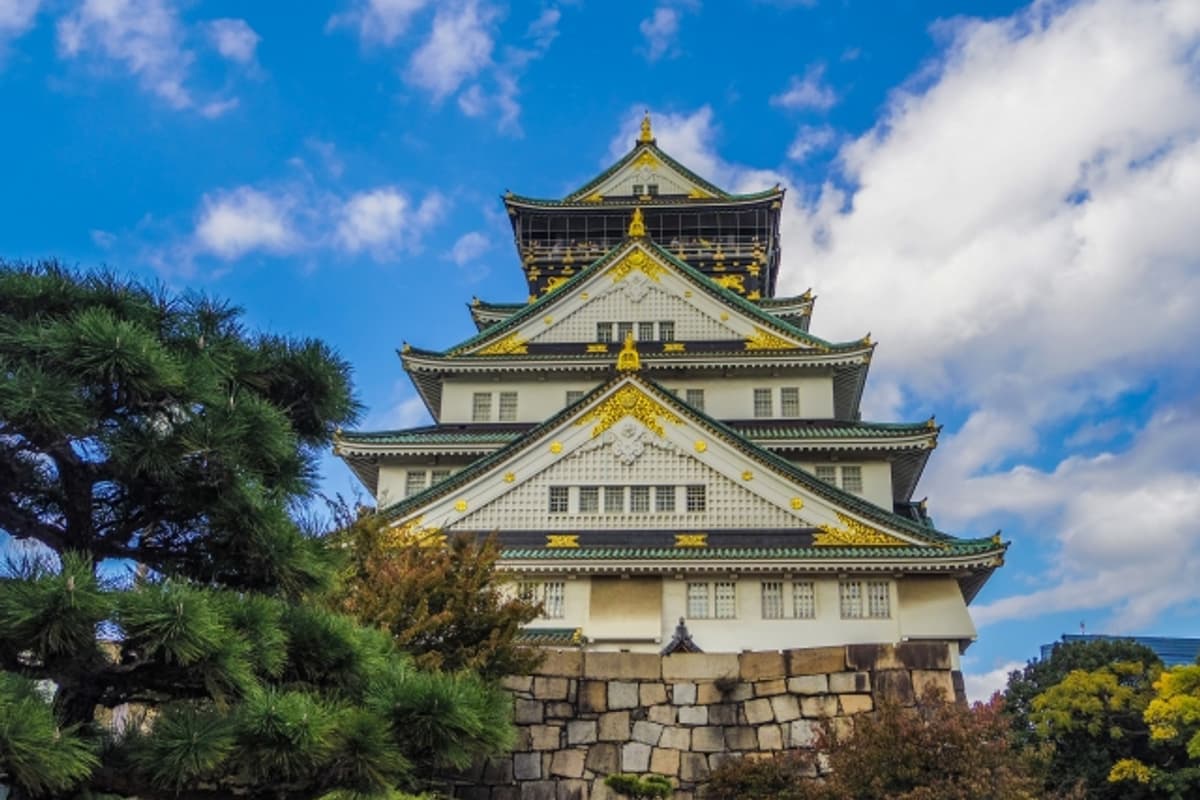
Day 1 (Umeda + Osaka Castle): Umeda Sky + HEP FIVE + Osaka Castle Tower + Gozabune boat + Osaka Museum of History = face value ¥6,000 (with the tower's post-April-2025 ¥1,200 price counted in). (Umeda Sky's open-air rooftop is Osaka's answer to Shibuya Sky — if your trip has a Tokyo leg, our Tokyo observatory face-off (Shibuya Sky vs the towers) pairs well with it.)
Day 2 (Tennoji + Sumiyoshi): Shitennoji + Sumiyoshi Taisha + Tsutenkaku + Dotonbori cruise + Tempozan Ferris Wheel = face value ¥4,100
Total face value ¥10,100 → 2-day Pass ¥5,000, saving about ¥5,100.
Route D: Osaka + Kyoto + Kobe in 3 days (2-day Pass)
Best for: limited time, want to cover all of Kansai
Day 1 (Osaka city): Use 2-day Pass day 1 — Umeda Sky + Osaka Castle + Tsutenkaku
Day 2 (Kyoto): Pass's Kansai segments cover partial Keihan Line → Kyoto for Kiyomizu-dera, Fushimi Inari
Day 3 (Kobe): Separately buy "Kobe 1-Day City Loop" (¥700) — Kobe Port, Kitano Ijinkan; see how to plan a Kobe day and whether to push west to Himeji Castle
Caveat: the 2-day Pass's transit footprint is smaller — may not cover all Keihan Line segments. Verify on official site before travel.
Route E: Shopping + light sightseeing (Pass NOT recommended)
Best for: primarily shopping in Shinsaibashi/Dotonbori, only 1-2 paid attractions
Math: Dotonbori cruise ¥2,000 + Tsutenkaku ¥1,500 + transit ¥800 (4-5 rides) ≈ ¥4,300. Already over the 1-day Pass ¥3,500, so the Pass actually saves ¥800+ here too. Backup plan: if truly only 1-2 attractions, buy Osaka 1-Day Subway ¥820 + individual attraction tickets and decide based on crowds.
Decision tree: 1-day / 2-day / skip the Pass
Three questions get you the answer:
Q1: How many full days will you spend in Osaka city center?
- 1 full day → go to Q2
- 2 consecutive full days → buy 2-day Pass directly (¥2,500/day is the best math)
- 3+ days → 2-day Pass + Osaka 1-Day Subway for day 3
- 0.5 day → skip the Pass, single Metro tickets are enough
Q2: Can you list 4 or more "must-visit paid attractions"?
- Yes → buy 1-day Pass, definite break-even
- 3 → check if total face value exceeds ¥3,500; if yes, buy Pass; if no, single tickets
- 2 or fewer → don't buy, single tickets save money
Q3: Will you visit USJ or Kaiyukan?
- Full day USJ → don't buy the Pass for that day (USJ not included)
- Kaiyukan → skip the Pass that day and buy the aquarium ticket on its own (¥2,800–3,500, depending on the date)
- Neither → the Amazing Pass's pure city-attraction focus is your best choice
4 types of travelers who should NOT buy
- Pure shoppers: only Shinsaibashi, Dotonbori, Kuromon Market, Umeda LUCUA — no paid attractions. The Osaka 1-Day Subway (Enjoy Eco Card) at ¥820 (¥620 on weekends and public holidays) is enough; no need for the Pass.
- USJ-focused: Full-day USJ ticket runs ¥9,300+, and the Pass adds nothing. Buy USJ tickets on KKday separately; full strategy in USJ Express + Nintendo World guide.
- Kaiyukan-focused: Kaiyukan is not in the Pass, and its ticket runs on demand-based pricing at ¥2,800–3,500, climbing toward weekends. If the aquarium is your main event that day, skip the Pass — Pass ¥3,500 plus a Kaiyukan ticket comes to ¥6,300–7,000 for a day you won't have time to fill with Pass venues anyway. The Tempozan Ferris Wheel next door can simply be bought on the gate. Check the official fare calendar for your date first.
- Straight from Kansai Airport to Kyoto: If Kyoto dominates your time over Osaka, the Pass is dead weight. Most such trips want two discounted one-way HARUKA tickets instead (¥2,200 each way, used at either end of the trip rather than on consecutive days) — setup and seat booking in our HARUKA e-ticket guide. Only a run of consecutive JR days (Nara, Kobe, Himeji) justifies JR West's Kansai Area Pass: the WEST QR e-ticket version sold by overseas agencies is ¥2,700 for one day, while the exchange-order (MCO) version costs ¥100 more at ¥2,800 but throws in one-day tickets for Keihan, the Kyoto Municipal Subway and Hankyu — worth far more than ¥100 if Kyoto is your base. JR West calls this fare zone the "Kansai (Keihanshin) zone", which is why people ask for a "Keihanshin pass" — no ticket by that name exists.
There is also an exception that is a date rather than a type of traveler: over the first three days of January, most Pass venues are either closed or on shortened hours, so half the list is unusable and the break-even math collapses. Skip the Pass on January 1-3 and spend it on a day from the 4th onward instead.
Amazing Pass vs Osaka 1-Day Subway vs ICOCA
| Ticket | Price | Attractions? | Best for |
|---|---|---|---|
| Amazing Pass (1-day) | ¥3,500 | 40+ free | Dense paid-attraction days |
| Amazing Pass (2-day) | ¥5,000 | 40+ free | Two full days, relaxed pacing |
| Osaka 1-Day Subway (Enjoy Eco Card) | ¥820 weekday / ¥620 weekend | None | Shopping days, no paid attractions |
| ICOCA / Suica | ¥190+ per ride | None | Only 2-3 subway rides total |
Real math: average day in Osaka city center = 4-5 Metro rides (¥800-1,000) + 4 paid attractions (¥3,000-5,000) = ¥4,000-6,000/day. The 1-day Pass at ¥3,500 saves at least ¥500-2,500 (post-March 2026 hike).
Where to buy: online only now
Price is identical across all channels (KKday, Klook, on-site, airport all charge ¥3,500 / ¥5,000). The difference is convenience:
| Channel | Pros | Cons |
|---|---|---|
| KKday online | Cancellable, English support, sorted before you fly | Confirm its redemption matches the official digital ticket |
| Official online purchase | Get the QRtto ticket directly, nothing to exchange | Credit card only; smartphone required |
| Kansai Tourist Information Center | The one remaining walk-up counter | A dedicated trip, and it is still a digital ticket |
| — | None of these sell or issue the pass any more — don't make the trip on the strength of an old guide |
Recommended approach: book on KKday a week before departure, receive the QR via email, and keep the QR on your phone. It is a digital ticket now, so there is no counter to visit on arrival — the old flow of exchanging a voucher for a physical card is gone. KKday Osaka Amazing Pass (1-day / 2-day)
For lodging, compare via Trip.com Osaka hotels. Stay in Namba or Umeda (the subway hub districts) to maximize Pass value. Full Osaka 5-day plan + accommodation comparison: Osaka Kyoto 5-Day Itinerary.
Frequently Asked Questions
- Q1:Which is better — 1-day or 2-day Osaka Amazing Pass?
- Depends on how many spots you'll actually hit. 1-day at ¥3,500: you break even on just 3 paid attractions — the 2025-2026 round of individual price hikes actually pushed the break-even point down (Umeda Sky ¥2,000 + Tsutenkaku ¥1,500 + Osaka Castle ¥1,200 = ¥4,700, already ¥1,200 more than the Pass). Add the HEP FIVE Ferris Wheel ¥1,000 for a fourth and you are at ¥5,700, saving ¥2,200. 2-day at ¥5,000: needs 7-8 spots to break even, but the daily average drops to ¥2,500 vs ¥3,500 for the 1-day version. For a relaxed schedule, 2-day wins; tight 1-day visit, get the 1-day.
- Q2:Is Universal Studios Japan (USJ) included?
- No. USJ tickets are sold separately at ¥9,300+, and the USJ Express Pass isn't included either. The Osaka Amazing Pass is strictly "city attractions + transit." If USJ is on your list, plan it as: one full day for USJ (no Pass) + 1-2 days for Osaka city center (use the corresponding 1-day or 2-day Pass).
- Q3:Is Osaka Aquarium Kaiyukan included?
- No. Kaiyukan tickets must be bought separately — the single most misunderstood point about the Pass. There is also no longer one Kaiyukan price: it runs on demand-based pricing, and the official fare calendar (料金カレンダー) lists four adult tiers in September 2026 and three in October, between ¥2,800–3,500, climbing as you approach weekends. Check which tier your date falls into before you commit. The Tempozan Ferris Wheel right next to Kaiyukan IS included, so you can ride that after the aquarium. Just buy the Kaiyukan ticket on its own — a "Kaiyukan + Osaka 1-Day Subway" combo appears on neither Osaka Metro's current discount-ticket list nor Kaiyukan's own set-ticket list, so don't reshape your day around one.
- Q4:What transit does the Pass cover?
- 1-day: All Osaka Metro lines + Osaka City Bus + partial Hankyu/Hanshin/Keihan/Nankai/Kintetsu segments (limited zones). 2-day has a smaller transit footprint (Metro + City Bus only). Practical advice: keep long-distance trips (Universal City, Kyoto, Nara) on non-Pass days; use Pass days for dense city-center sprints.
- Q5:Is KKday cheaper than buying on-site?
- The question itself is out of date. The Pass is now a SURUTTO QRtto digital ticket, and the operator states plainly that no paper or plastic ticket is issued — it is also sold online only, with the Kansai Tourist Information Center the single remaining walk-up counter. Buying at a Metro stationmaster's office, or collecting a physical card at an exchange desk, are both routes that no longer exist. In practice: buy online before you fly, keep the QR on your phone, scan in on arrival. Two hard requirements catch people out — payment is credit card only (debit cards are refused) and you need a smartphone. Price is the same either way (¥3,500 / ¥5,000).
- Q6:Is there a child version?
- No — only an adult version (13+). Children under 12 typically get half-price or free entry to city attractions, plus half-price subway rides (¥120/trip). Practically, NOT buying the Pass for children works out cheaper. Recommended for families: adults buy the Pass, children buy half-price single tickets — your itinerary still flows fine.
- Q7:Who shouldn't buy the Amazing Pass?
- Four scenarios: (1) Pure shopping trip — only hitting Shinsaibashi, Dotonbori, Kuromon Market, Umeda LUCUA without paid attractions, the Osaka 1-Day Subway (Enjoy Eco Card) at ¥820 is enough — and only ¥620 on weekends and public holidays. (2) USJ-focused — Pass adds zero value. (3) Aquarium-focused — Kaiyukan is not in the Pass, so just buy its own ticket (¥2,800–3,500, depending on the date). (4) Heading straight from Kansai Airport to Kyoto — if Kyoto dominates your time, you don't need an Osaka Pass.
Read next
Osaka & Kyoto 5-day itinerary
Dotonbori, Kiyomizu, Arashiyama — full tested route.
USJ Express Pass + Nintendo World guide
Express 4 vs 7 compared, timed-entry tickets explained.
HARUKA E-Ticket: WEST QR Linking, Seats & Gates
Two HARUKA discount tickets at one price: WEST QR on your phone or a paper ticket from a JR machine — buying, seats, the 3-minute start rule, plus Nankai options.
📊 See the 2026 Price Index (JR Pass, DPA, eSIM, Airport Transport) →