🔄 Update log (3 revisions — click to expand)
- :On 2026-09-10 the association announced that round-one parking sold out on its opening day (events/443). Round two still opens 1 Dec at 13:00, online only by credit card. The next deadline on this page is now the 1 Oct 13:00 lodging lottery, and one error is fixed: round two is a separate batch with its own cap, not whatever round one left over.
- :On 2026-09-02 the association published the 2027 booking and parking rules; this page was rewritten the same day. Parking round 1 opens 10 Sept at 13:00, first-come (¥6,000 for 1–5 people, ¥9,000 for 6–10); round 2 opens 1 Dec at 13:00 with both tiers ¥1,000 higher. The in-village lodging draw takes email entries from 1 Oct 13:00 to 31 Oct 23:59, with results on 10 Nov. Two easily missed lines from the official text were added: you may be asked to show a driving licence or other photo ID on arrival, and Nohi Bus has published its three 2027 plans — the one that carries the viewpoint ticket costs ¥3,000 more than the one that does not.
- :On 2026-07-01 the Shirakawa-go Tourism Association published the 2027 (41st) light-up dates: Jan 11, 17, 24 & 31, 17:30–19:30, fully reservation-based (no same-day walk-ins). Detailed booking/reservation procedure is due early September 2026; this guide will be updated then.
Round one of reserved parking for the 2027 Shirakawa-go light-up went on sale at 13:00 on 10 September 2026 and sold out the same day. The next deadline is 13:00 on Thursday 1 October 2026, when the in-village lodging lottery opens — one of only two ways to get a viewpoint ticket. Parking gets a second round at 13:00 on 1 December, from ¥7,000 per car for one to five people. Read this page and you will know all four dates, all five sale windows, the one thing you cannot buy at any price, and the two hard limits that strand people in a village with no bus home. The Shirakawa-go Tourism Association published the full 41st-edition rules on 2 September 2026: four sessions — Jan 11 (Mon, holiday), 17, 24 & 31, all 17:30–19:30 — five ways in, and no tickets sold on the day. The announcement is in Japanese only; the English and Chinese versions of the page load blank, so this guide walks through it.
- 2027 dates are official: the 41st light-up runs four sessions — Jan 11 (Mon, holiday), 17, 24 & 31, all 17:30–19:30 (announced 2026-07-01).
- Three sale windows, three different systems: parking round one sold out on 10 Sept, round two 13:00 on 1 Dec (first-come) · lodging lottery 13:00 on 1 Oct to 23:59 on 31 Oct · travel-agency tour links 13:00 on 2 Dec.
- Round-two parking (1 Dec) costs ¥7,000 per car (1–5 people) or ¥10,000 (6–10); round one at ¥6,000 and ¥9,000 is sold out. No cancellation, no refund, no resale.
- The viewpoint is not for sale. It comes only with a village lodging plan that includes it, or a route-bus operator's viewpoint-ticket tour. Reserving parking does not get you up there.
- Two limits that wreck itineraries: a gate goes up at the village entrance from 15:30 (no entry ticket, no entry), and the last route bus out leaves 16:00–17:00 — there is no route bus home after the lights.
- No-ticket fallbacks: a Takayama/Kanazawa bus tour (agency tours carry no viewpoint ticket), or visit on a non-illumination day (no reservation, no ticket; check the official congestion calendar for the date).
- Inns & gear: in-village gassho inns must be booked very far ahead; -8°C needs snow boots, thermals, gloves and hand warmers. (Other regions/months: see our Japan weather by month table.)
No tickets, and no wish to drive a snowbound valley? See which agency light-up tours are on sale →
Table of Contents (click to expand)
- When is the 2027 light-up? Confirmed dates & times
- The five 2027 deadlines, in order
- What you actually pay for, and what money cannot buy
- No tickets? Five non-illumination windows that may be better
- Getting there: Tokyo, Osaka, Nagoya compared
- Day tours: Takayama departure vs Kanazawa departure
- Booking a gassho inn: five proven tactics
- Full day schedule (inn-stay version)
- Budget reality check: three profiles
- Chaining itineraries: Takayama, Kanazawa, Gokayama
- Photography: five timing calls that decide the shot
- The less-photographed windows
- Ten first-timer mistakes
- Traveling with elders or kids
- Common winter Shirakawa-go missteps
- The food question: what inns actually serve
- Fourteen-day pre-departure checklist
When is the Shirakawa-go light-up in 2027? Confirmed dates & times
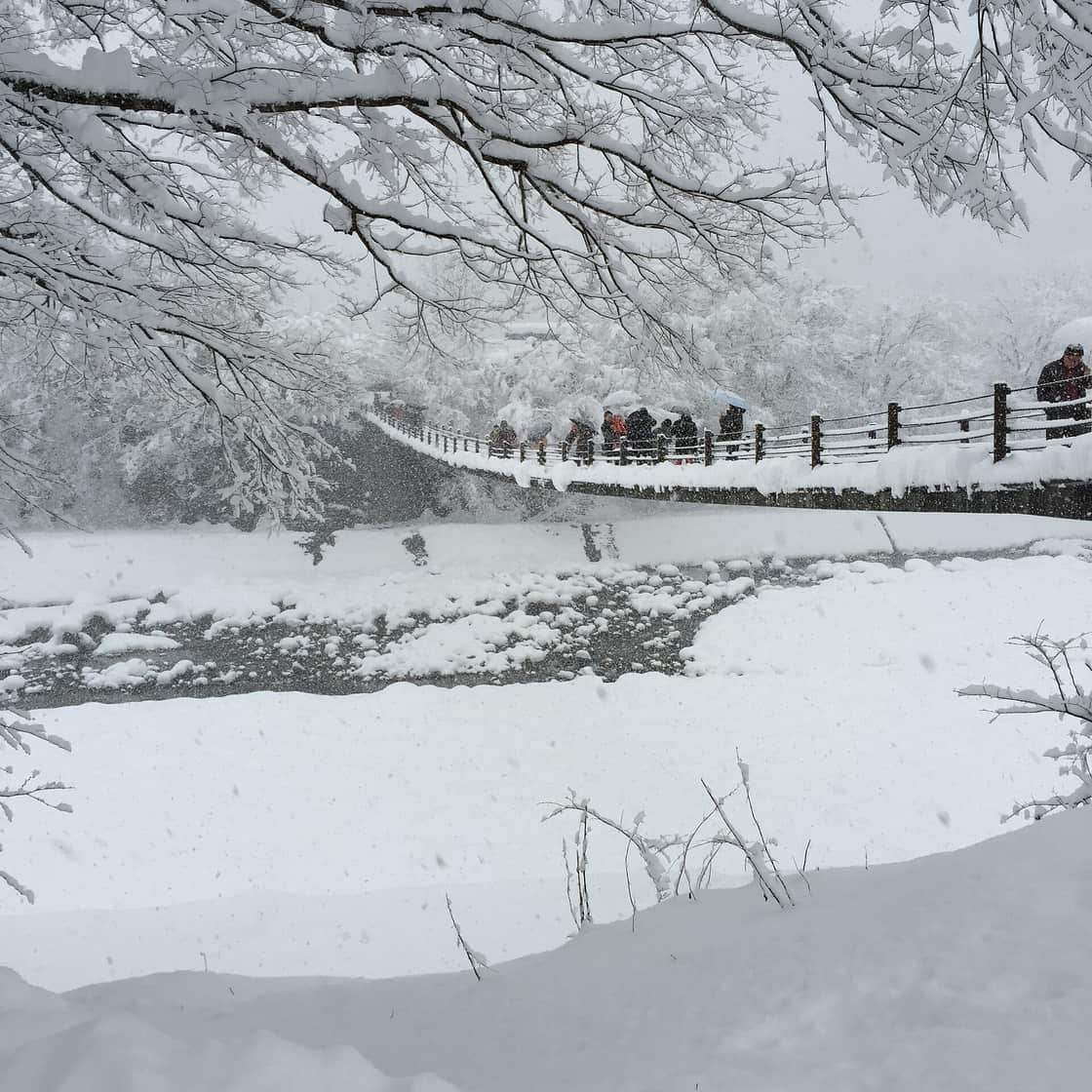
Four sessions in 2027 (the 41st edition): Jan 11 (Mon, holiday), 17, 24 & 31, each with lights on at 17:30 and off at 19:30, fully pre-booked, with no entry tickets sold on the day. The Shirakawa-go Tourist Association confirmed the dates on July 1, 2026; the two hours are fixed and never extended, to protect village life, and Jan 11 falls on a Monday holiday only because of the three-day weekend, while the other three are Sundays.
Same as 2026 (the 40th edition): four sessions. If you have six in mind, that belongs to an earlier era of this event. Shirakawa Village's announcement points to "lack of snow from warming winters and sunset timing" as the reason the count has settled around four in recent years. Full session breakdown below:
| Session | Date | Time |
|---|---|---|
| Session 1 | 2027/1/11(週一・祝) | 17:30–19:30 |
| Session 2 | 2027/1/17(週日) | 17:30–19:30 |
| Session 3 | 2027/1/24(週日) | 17:30–19:30 |
| Session 4 | 2027/1/31(週日) | 17:30–19:30 |
- Shirakawa-go Tourism Assoc. (41st, 2027)— Official, published 2026-07-01
- Shirakawa-go 2027 booking & parking rules— Official, published 2026-09-02
Dates are the official Shirakawa-go Tourism Association announcement, not a weather forecast.
The booking and ticket procedure is out too. The Tourism Association published it on 2 September 2026 — five ways in, three separate sale windows, and a flat statement that no entry tickets are sold on the day. Read it yourself at shirakawa-go.gr.jp/events/441/. Two notes before you go there. First, the announcement is Japanese only: the English and Chinese versions of that page return a blank article body, so paste the Japanese page into a translator. Second, do not bookmark the association's light-up landing page — it currently renders with no content at all, and watching it will convince you nothing has been announced.
The five 2027 deadlines, in order
Everything now runs on dates you can put in a calendar. Decide first which route in you want — a bed in the village, a parking space, or a bus tour — because the three run on separate clocks, and the first one has already come and gone. If you plan to pair the light-up with the Sapporo Snow Festival or drift ice in one trip, check the winter 2026-27 event timeline first to line up the official dates, then come back here. The deadlines, in order:
- 13:00, Thursday 10 September 2026 — reserved parking, round one. First-come, first-served, credit card on the association site, ¥6,000 per car for 1–5 people and ¥9,000 for 6–10. Sales stopped when the (unpublished) cap was hit, and the association announced the same day that round one had sold out.
- 13:00, Thursday 1 October 2026 — the lodging lottery opens. Which inns take part, at what price, and how the draw works are published at that same hour. Applications are by email, one per person, until 23:59 on 31 October; winners are announced 10 November and pay through a winners-only booking page. Declined wins and cancellations are re-offered later, with no schedule given.
- 14:00 on 13, 19 and 26 October and 2 November 2026 — route-bus operator tours. All five operators open at the same hour, and each date sells one session only: 13 October is the 11 January tour, and so on. These are the tours that can include a viewpoint ticket. Nohi, Kaetsunou, Toyama Chitetsu and Iruka take web bookings only; Hokutetsu also books by phone (0120-316-100 or 076-287-5180, 10:00–12:00 and 13:00–15:00, closed weekends and public holidays).
- 13:00, Tuesday 1 December 2026 — reserved parking, round two, at a higher price: ¥7,000 per car for 1–5 people and ¥10,000 for 6–10. First-come again, online only by credit card on the association site, and the association warns the page may be slow to open that day.
- 13:00, Wednesday 2 December 2026 — travel-agency bus tours. The association posts links to agency tour plans. These carry no viewpoint ticket.
Book a Takayama, Kanazawa or Toyama hotel now regardless of which route you take — hub lodging is far easier than a village inn and it is the plan B you will want if the lottery goes against you. And if the viewpoint panorama is what you came for, forget parking and aim at 1 October (lodging) or the October bus-tour dates: those are the only two things that carry a viewpoint ticket. Lottery results land on 10 November, three weeks before parking round two, so a losing entry still leaves time to fall back on parking. The route-bus tours are different: they go on sale from 13 October, before the draw, so you cannot wait for the result before deciding on one.
What you actually pay for, and what money cannot buy
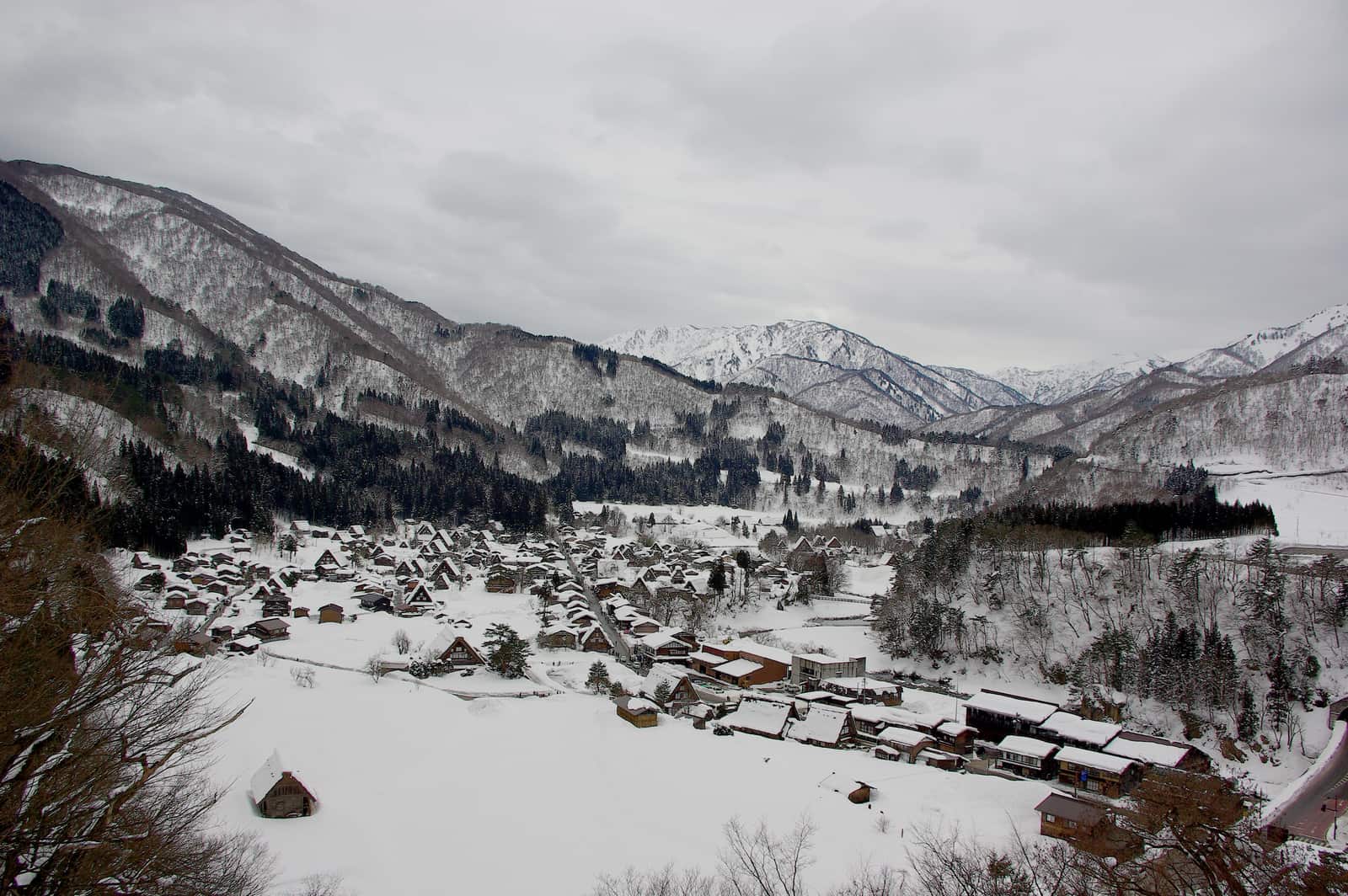
In its early years the light-up drew tens of thousands of visitors in a single evening, overwhelming a village of a few hundred residents (some people even trespassed into private homes for photo angles). Entry is now tightly managed. Per the official announcement, 2026 used a "complete advance-reservation system" plus a "ticket system" to control attendance — both are stated in writing by the village office.
There is no such thing as an entry ticket price. The association does not sell entry tickets at all — the ticket, a lanyard holder you wear for the whole evening and which is colour-coded per date, is handed to everyone who booked one of the five official routes in. What you actually pay for is a parking space, a room, or a tour seat. Here are the five routes, and note that the association itself can only sell you the first three:
- Stay overnight in Shirakawa village — the only route that includes a viewpoint ticket, on plans that say so.
- Reserve a space in the designated car park (your own car) — no viewpoint.
- Reserve the same space arriving by taxi — no viewpoint. Note the village's own taxi company shuts down on light-up days for event duty.
- A tour run by one of the five route-bus operators — some of these plans include a viewpoint ticket and some do not; check the plan, not the operator.
- A travel-agency bus tour — no viewpoint.
The parking numbers for 2027
Parking is the route most readers will take, and it is first-come, first-served rather than a draw — two rounds, priced by how many people are in the car. ⚠️ One line in the official rules is easy to skip: you may be asked to show a driving licence or other photo ID on arrival, so whoever made the booking should have it on them.
| Round | On sale | 1–5 people per car | 6–10 people per car |
|---|---|---|---|
| Round 1 | 13:00, 10 Sept 2026 (sold out same day) | ¥6,000 | ¥9,000 |
| Round 2 | 13:00, 1 Dec 2026 | ¥7,000 | ¥10,000 |
Round one sold out on its opening day. Round two is a separate batch with its own cap, not round one's leftovers, and it costs ¥1,000 more per car; be online at 13:00 on 1 December with your party size, date and credit card ready. Read the conditions before you pay, because they are stricter than most Japanese attraction bookings: once reserved you cannot change anything except the party size, you cannot cancel, there is no refund and you may not resell. The single exception is the organising committee calling the whole event off for heavy snow and major transport disruption. Standard cars only — anything microbus-sized or larger, and camper vans, are refused — with a hard ceiling of ten people per car, studless winter tyres compulsory, entry to the lot from 15:00 and every car out by 20:00. Get the party size wrong and it costs you in one direction only: book for 1–5 and arrive with six or more and you pay ¥4,000 more on the day; book for 6–10 and arrive with five and you get no difference back. Your parking permit arrives by email between late December and early January.
The viewpoint is not something you can buy
This is the part that catches people who have already paid. The viewpoint ticket is a limited product that is never sold on its own, and without one you cannot go up for any reason whatsoever. There are exactly two ways to hold one: stay the night in Shirakawa village on a plan that includes it, or join a viewpoint-ticket tour sold by one of the five route-bus operators — Nohi Bus, Kaetsunou Bus, Toyama Chitetsu Bus, Hokutetsu Bus and Iruka Kotsu. Both are capped, neither can be topped up later, and a parking reservation gets you the village but not the hill.
If you do get up there: tripods are firmly refused, viewing is split into three waves to control crowding, you cannot pick which wave you are in, pets are not allowed because the deck is small, and the ticket cannot be resold or transferred. Heavy snow can close the viewpoint outright. Travellers with mobility difficulties, wheelchair users and pregnant travellers should phone the association on 05769-6-1013 (9:00–17:00) to reserve the separate shuttle it runs for exactly this.
Two limits that end trips
From 15:30 there is a gate at the entrance to Shirakawa-go, and without an entry ticket you do not get in. That applies to daytime sightseers too: if you are coming by route bus just to walk the village in daylight, take a service that arrives by 15:20 or you will be turned around. Daytime visitors in an ordinary car do not need a parking reservation — the day lot opens at 08:00, takes its last car at 15:00 and empties at 17:00 — but that is a different lot, on a different clock, from the light-up one. Tour buses are the exception: the village's coach park switches to reservation-only for use from 1 December 2026 (anything up to November 2026 needs none), booked at parking.shirakawa-going.jp. Clear that first if you are arriving on a chartered coach.
The last route bus out of Shirakawa-go leaves between 16:00 and 17:00 — before the lights come on. There is no route bus home after the illumination, and the village taxi company is not working that evening. If you have no bed in the village, no reserved parking space and no tour bus waiting, you have no way out. Work backwards from that sentence before you book anything else.
If you judge you won't get a room or a parking space, or you simply don't want to drive a snowbound valley in the dark, the lowest-effort backup is a guided tour. Go in knowing what it is and is not: a travel-agency tour brings you in, carries your entry ticket and takes you out afterwards, which solves the no-bus-home problem — but it does not include the viewpoint. If the panorama is non-negotiable, buy a route-bus operator's viewpoint-ticket tour on its October sale date instead. The four agency tours currently on sale online are listed under day tours.
Three fallback plans if you can't get tickets
- Plan A — in-village gassho inn. The ideal, and the only lodging route to a viewpoint ticket: see the lights up close, walk the main street after the crowds thin, and sleep in the village. The catch: it is a lottery, entries close 31 October, and rooms are few.
- Plan B — bus tour. Same-day round trip from Takayama, Kanazawa, Toyama or Nagoya, entry ticket included and the ride home solved. Route-bus operator tours go on sale in October by session; agency tour links appear 2 December. Nohi Bus has already published its three 2027 plans with prices, which is enough to budget against: A at ¥13,000 (Gassho-zukuri Minkaen admission, no viewpoint), B at ¥16,000 (includes the Ogimachi Castle viewpoint ticket, roughly 20 minutes on foot each way) and C at ¥14,000 (includes a Hirase Onsen bath). Put plainly, the viewpoint costs ¥3,000 more — and it buys the one ticket the parking route cannot get you at any price. ⚠️ Six people per application, web only, card payment at the time of booking, and nothing can be changed once payment goes through; collect the ticket at the Nohi bus centre in Takayama from 07:00 on the day.
- Plan C — visit on a non-illumination day. The viewpoint needs no reservation and no ticket, and you get closer to the quiet everyday life of this World Heritage village; the village's own congestion-forecast calendar tells you which day to pick (more on this next).
No tickets? Five non-illumination windows that may be better
The biggest misconception about Shirakawa-go is that "the village is only worth visiting on illumination nights." Shirakawa Village publishes a tool for exactly this decision. Its official overtourism site, SHIRAKAWA-Going, posts a three-month congestion-forecast calendar built from past parking-lot usage data, graded normal / somewhat busy / busy / very busy (in Japanese: 通常/やや混雂/混雂/非常に混雂), alongside live traffic cameras. The village defines the top grade specifically: a day marked "very busy" is one where the queue to the parking entrance may run two hours or more. Check the calendar at shirakawa-going.jp a week before you fix the date. Five non-illumination windows worth considering:
- Late December - early January (snow arrives, before illumination peak). Roofs already carry 30-50 cm of fresh snow but the illumination crowd hasn't arrived. Wada House, Myozenji, and Tajima House are all relaxed walks. Pairs well with Takayama New Year markets.
- Weekdays in January-February (non-illumination dates). The viewpoint requires no reservation — anyone can walk up and shoot the panorama. Run your candidate dates through the congestion calendar before booking. The strongest window for serious photographers chasing "an empty Shirakawa-go" frame.
- Late February - early March (end of snow season). Residual snow plus warming sunlight creates the most dramatic light of the year. After early March, gassho inn availability rebounds dramatically — the easiest "winter feel" booking window of the entire calendar.
- May (fresh greens and rice planting). Gassho roofs against bright green fields are completely different from snow scenes — a season Japanese photographers consistently rate among their favorites. Temperature 15-22°C, minimal luggage, almost no crowds.
- Early November (foliage without snow). Black gassho roofs against red maples and yellow ginkgo create a stronger visual contrast than the snow version. Inns still have rooms, bus seats are wide open — the easiest photography window of the year to actually book.
The principle: the illumination evening is the highlight, but Shirakawa-go is fundamentally a rural cultural heritage site; its quieter modes are arguably closer to its essence. If your goal is "the photo you've seen on Instagram," illumination is essential. If your goal is "understanding Japanese mountain-village aesthetics," skipping illumination night is the smarter move.
Getting there: Tokyo, Osaka, Nagoya compared
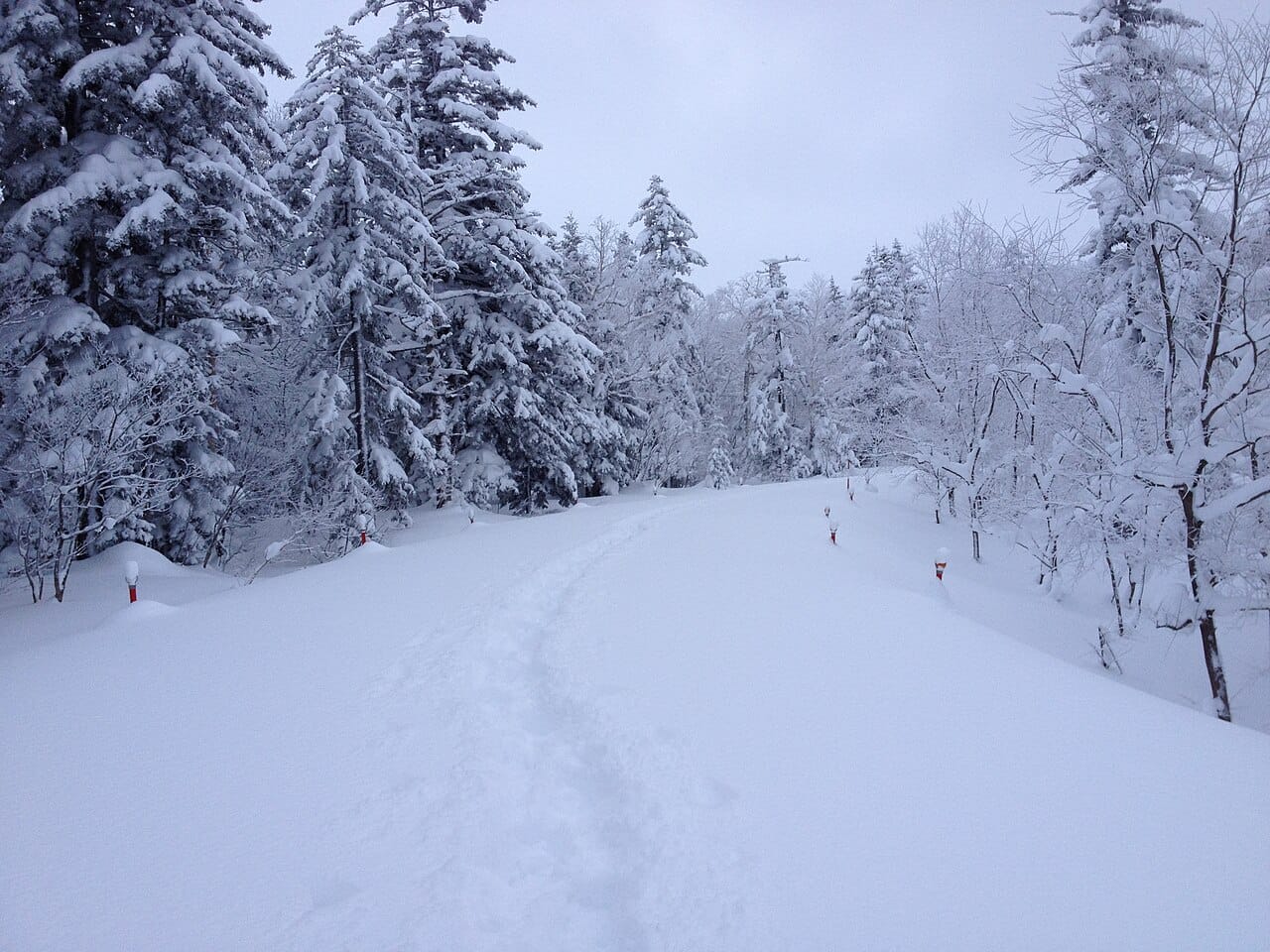
Shirakawa-go has no rail station — every route ends with a Nohi Bus. From the three major arrival points:
From Tokyo (longest)
- Hokuriku Shinkansen to Kanazawa (2h30, ¥14,380)
- Nohi Bus Kanazawa to Shirakawa-go (1h20, ¥2,000)
- Total: 4 hours, roughly ¥16,400 one-way
- Alternative via Toyama takes similar time with fewer buses
From Nagoya (cheapest)
- JR Wide View Hida limited express to Takayama (2h20, ¥6,140)
- Nohi Bus Takayama to Shirakawa-go (50 min, ¥2,600)
- Total: 3h10, roughly ¥8,740 one-way
- Best route overall — pairs with a Takayama Old Town side-trip
From Osaka or Kyoto
- Thunderbird limited express Osaka to Kanazawa (2h45, ¥7,990)
- Nohi Bus Kanazawa to Shirakawa-go (1h20, ¥2,000)
- Total: 4h15, roughly ¥9,990 one-way
- Slots cleanly into a Kanazawa Kenrokuen + Omicho Market multi-day loop
Day tours: Takayama departure vs Kanazawa departure
If you missed the lodging lottery and the parking round, a guided bus tour is the most realistic option — and on a light-up night it is also the only one that solves the ride home. What the departure cities look like for 2027:
- Takayama departure. Nohi Bus has published its 2027 line-up: three plans leaving the Takayama bus centre between 14:40 and 15:40, roughly three hours on site inside the 16:20–19:45 band, back in Takayama between 20:20 and 20:45. Only one of the three carries a viewpoint ticket, and that plan walks up and back — about 20 minutes each way. Web sales only, no phone bookings, maximum six people per booking, card payment at the time of booking.
- Kanazawa and Toyama departures. Toyama Chitetsu put its 2027 page up on 4 September 2026. Hokutetsu Bus and Iruka Kotsu were already live. Kaetsunou Bus is the one still missing: the association's announcement links to it, and that link is a 404 as of 7 September 2026. If you are basing in Kanazawa for Kenrokuen and Omicho Market, check those operators again closer to the 13 October sale opening rather than assuming a tour does not exist.
All five operators open sales at 14:00, and each sale date covers one session only: 13 October for 11 January, 19 October for 17 January, 26 October for 24 January, 2 November for 31 January. You cannot buy the 31 January tour on 13 October, so put all four dates in the calendar and turn up for the one you need.
The four agency tours you can book online today
Four are on sale, from two departure cities, and the difference that will actually shape your evening is the guiding language rather than the price. All four are travel-agency products rather than something the association sells, so none of them carries a viewpoint ticket — only a village lodging plan that includes it, or a route-bus operator's viewpoint-ticket tour, can do that.
| Departure | Guiding language | Price seen 20 Sept 2026 | Worth knowing |
|---|---|---|---|
| JR Takayama Station (KKday) | English / Japanese | NT$4,659 | 5h30, meeting 15:15 at the JR Takayama Station west exit, back by 21:00. The listing states in so many words that the fare excludes the viewpoint pass and that this itinerary cannot go up to the viewpoint |
| Nagoya (KKday) | Japanese only | NT$4,862 | 12h30. Earliest date sold is 17 January 2027 — it does not sell the 11 January session. Includes the light-up entry ticket but not the viewpoint ticket; Minkaen admission is thrown in |
| Takayama (Klook) | Chinese and English | NT$5,029 | 09:00–22:00. Earliest bookable date is 11 January 2027 |
| JR Takayama Station (Trip.com) | English-speaking tour leader | TWD 4,671 | Dinner is not part of the itinerary. Five-step cancellation scale, 100% from 23:59 the day before |
Read the language column first. The Nagoya departure is guided in Japanese only; the two Takayama departures run in English or with an English-speaking leader; the Klook one is the only one listing Chinese as well. The prices sit between NT$4,659 and NT$5,029 — under ten percent apart, which is less than the language gap will cost you in a village you cannot ask questions about.
How to check for yourself that a listing sells the real event: open its calendar. The Klook tour's earliest bookable date is 11 January 2027, which is the first official light-up night. A listing with the light-up in its name but dates available all winter is selling you the daytime village.
⚠️ Both KKday listings spell out what they include on the product page — light-up entry ticket yes, viewpoint ticket no. For Klook and Trip.com the inclusions only render after you pick a plan and a date, and this article did not walk into the checkout flow and take a seat from a real buyer, so open the plan page for those two. Prices are a snapshot from 20 September 2026, and both KKday listings carry a priceValidUntil of 31 January 2027.
KKday · from JR Takayama Station (English / Japanese) → KKday · from Nagoya (Japanese-guided) → Klook · from Takayama (Chinese and English) → Trip.com · from JR Takayama Station (English-speaking leader) →
Booking a gassho inn: five proven tactics
Split this in two, because the four light-up nights and every other night of the year work differently. For 11, 17, 24 and 31 January 2027 there is nothing to race for: the association runs a lottery. Email your application from 13:00 on 1 October 2026, one per person, by 23:59 on 31 October; winners are drawn and announced on 10 November and book and pay through a page only they can see. The inn list, the prices and the application form all appear at that same hour on 1 October, so there is nothing to prepare beyond having your dates decided. If you are not drawn, watch for the follow-up round the association says it holds when winners decline or cancel — no date has been given for it. Everything below applies to booking a gassho inn on any ordinary night:
- Watch the reservation-opening schedule. Inns open next-winter reservations far ahead and fill almost as soon as they open, so track each inn and the official notices early (the opening schedule varies by inn — don't rely on a fixed past date).
- Be ready to fax or phone. Some inns still only accept fax or phone bookings. Use a Japanese fax-sending service, or ask a Japanese speaker to help.
- Book as two guests or more. Most inns don't accept single-occupancy. Families of three or four get the best availability because the inn rents by room or per person (¥15,000–20,000 per person with dinner and breakfast).
- Watch JapaniCan and Booking. These platforms occasionally release gassho rooms on ordinary winter nights; move fast when they do. They are not a way around the light-up lottery.
- Read the fine print on dinner timing. Some inns require guests to eat dinner in-house during the illumination hour, meaning you can see the lights from the window but can't be out on the main street photographing — ask before you book.
Full day schedule (inn-stay version)
For a village inn stay, following the official light-up window, a typical evening looks like this:
- 13:00 Arrive in the village and check in — however you travel, be inside before the 15:30 gate goes up
- 14:00 Drop bags, walk the white village — Wada House, Myozenji, the three-house gassho cluster
- 15:30 If your lodging plan includes a viewpoint ticket, start up the hill — the footpath behind Wada House reaches the deck in 15–20 minutes
- 16:30 Stake out a position; endure subzero wind for about an hour
- 17:30 Lights fire; about 30 minutes of shooting
- 18:00 Return to the inn for country-style dinner (¥3,500 set)
- 19:00 Back out along the main street for the low reflected-light shots
- 19:30 Lights extinguish; the village returns to silence
- 20:00 Back at the inn for a Japanese bath and a starry sky
Budget reality check: three profiles
Per-person cost for a 2-day, 1-night trip from Nagoya. Transport is at real fares and parking at the published 2027 rate; the lodging figures are scenario estimates only — what the lottery inns charge on light-up nights is not published until 13:00 on 1 October 2026, so treat any village room price you see quoted before then, here included, as a placeholder:
- Premium (inn stay): transit ¥6,000 + inn with dinner and breakfast ¥18,000 + incidentals ¥2,000 = roughly ¥26,000 per person. Driving instead of staying? Reserved parking is ¥6,000 for the whole car, not per head, so it costs a group of five ¥1,200 each and a solo driver the full amount
- Value (day bus tour): Nagoya–Takayama ¥6,140 + Takayama hotel ¥8,000 + day tour ¥17,000 = roughly ¥31,000 per person
- Luxury (private charter, 4 people): two-day car charter ¥80,000 (¥20,000 per head split four ways) + inn ¥18,000 + extras ¥10,000 = roughly ¥48,000 per person
The takeaway: the inn stay and the day-tour option land at a similar total. If you can both secure an inn and get tickets, staying in the village is the clear first choice — you see the lights up close and dodge the day's traffic control.
Chaining itineraries: Takayama, Kanazawa, Gokayama
Shirakawa-go alone takes 3–4 hours to walk, so flying in just for the illumination is a lot of cost per minute. Three proven chained routes:
- 3-day classic. Day 1 Nagoya to Takayama, Hida beef dinner, Old Town walk. Day 2 Takayama to Shirakawa-go illumination. Day 3 Takayama to Gero Onsen to Nagoya.
- 4-day deep. Day 1 Tokyo to Kanazawa, Kenrokuen. Day 2 Kanazawa to Shirakawa-go, in-village stay. Day 3 Gokayama's Ainokura cluster (quieter UNESCO twin site). Day 4 Kanazawa Omicho Market to Tokyo.
- 5-day Hokuriku loop. Add Toyama and the Noto Peninsula — best for confident winter drivers with studded tires. Two extra checks for the Noto leg: eight locations on five prefectural routes are still closed, and only the Ishikawa Michi Joho Net map carries day-level status; and the Noto Satoyama Kaido expressway has no petrol stations at all, so fill up first. See our Noto Peninsula status guide.
Kenrokuen's yukitsuri (winter rope-pine supports, visible only in winter) and the Ainokura gassho cluster in Gokayama (inscribed as part of the same World Heritage site, a far smaller settlement, and easy to reach from the Toyama side) pair beautifully with the main light-up. The meta-rule: unless you're a confident snow driver with studded tires, use public transit plus a day tour. Snow-covered switchbacks punish novice drivers.
Photography: five timing calls that decide the shot
- Bring a tripod. Warm incandescent light on deep snow demands 1–3 second exposures. Hand-held shots will smear regardless of stabilization.
- Shoot 17:00–17:25 blue hour. Sky still blue, rooftops still snow-bright, lights just warming up. Post 17:50 the sky goes pure black and contrast collapses.
- ISO 400–800 at f/5.6. Preserves shadow detail. Most smartphones' night mode plus a small tripod deliver publication-quality frames here.
- Keep spare batteries warm. Below -5°C, battery life halves. Carry spares and keep a phone in an inside pocket with a hand warmer.
- Compose low and foreground-first. Snow as foreground, gassho rooftops in mid-ground, sky on top. Layered compositions beat flat panoramics every time.
The less-photographed windows
Do not spend the whole evening on the 17:30 switch-on. The lights run for exactly two hours, the switch-on moment is the most crowded of the night, and the light only gets steadier afterwards. Three overlooked windows:
- 17:00–17:25 pre-lighting blue. Viewpoint positioning is easy; few photographers camp early.
- 18:30 post-peak dip. First-wave photographers leave for dinner. Best tripod positions open up.
- 19:25 last-five-minutes. Everything goes dark at 19:30 and most people start moving toward the exit before that — the last chance at a near-empty village.
If you're staying in the village, walking the main street around 20:30 — after the lights are off — is the hidden highlight. Moonlight on fresh snow, window glow from the inns, no other visitors. That quiet 20 minutes is what inn guests remember most; day-trippers never see it.
Ten first-timer mistakes
- Waiting until spring to book inns — they've been full for a year.
- Assuming you can drive into the village — illumination-day traffic control blocks private cars.
- Regular sneakers — deep snow soaks socks and risks frostbite.
- Turning up without a booking — from 15:30 the entrance gate turns away anyone without an entry ticket, and none are sold on the day.
- Picking illumination day just for snow — non-illumination days need no ticket, the viewpoint is always open, and the congestion calendar tells you which dates are quiet.
- Forgetting hand warmers — your phone dies 30 minutes in.
- Counting on a bus home — the last route bus out leaves between 16:00 and 17:00, before the lights come on, and the village taxi company is closed that evening.
- All-black outfits — you photograph as a shadow in deep snow. Bring one red or white accent piece.
- Expecting international food — dinners are Hida beef, hoba miso, and soba. Embrace it.
- No cash — some inns and shops don't accept credit cards.
Traveling with elders or kids
- Phone the association before you plan the viewpoint. The climb is a snow footpath and the deck itself is small. The association runs a separate shuttle for travellers with mobility difficulties, wheelchair users and pregnant travellers, by reservation only — call 05769-6-1013, 9:00–17:00. If that is too much, book a village inn with a window onto the lit roofs instead.
- Arrive by 13:00. Daytime white-village walking is gentler than the evening light-up rush.
- Pick an inn with attached heated dining. After 19:30 small children and older adults need immediate warmth; an attached bath is the best insurance.
Common winter Shirakawa-go missteps
A few patterns repeatedly surface in Shirakawa-go visitor reports — each costs either a wasted day or several thousand yen, and each is fully avoidable with a little preparation.
The "buy late" trap. Parking sells in two rounds, each with its own cap, and round two is ¥1,000 dearer per car. Round one sold out on its opening day, 10 September, so the only parking left is round two — be online at 13:00 sharp on 1 December, not that evening. Line up any fallback before then: the lodging lottery closes on 31 October and the route-bus tours go on sale between 13 October and 2 November, all ahead of parking round two. The travel-agency tours posted on 2 December are the one fallback that comes after it. And do the sums before you pay, because the booking is final: no cancellation, no refund, no resale, whatever happens to your plans.
The Takayama bus timing error. A tour that puts you on site around 16:20 looks generous on paper. In practice, a roughly 16:55 sunset plus the 17:30 turn-on leaves only about 35 minutes of peak blue-hour light, and the walk up to the viewpoint takes about 20 minutes each way — so a viewpoint plan spends most of that light on a footpath. Take the earliest departure you can, and if you are not chasing the postcard panorama, stay down in the village and shoot from the path near Wada House, where the foreground thatch-and-snow composition is arguably better than the crowded deck shot anyway.
The cash reserve mistake. Gassho inns are typically cash-only. A budgeted ¥8,000 night frequently runs to ¥14,000+ once a service charge, bath tax, and a bottle or two of host-poured local sake are added. The village has very limited ATM access and the post office counter closes early. Carry at least ¥15,000 per person in cash for an inn night, and assume the final bill will land above the quoted room rate.
The clothing overconfidence. "Tokyo winter heavy" — puffer jacket, wool sweater, jeans, regular leather boots — is not enough at the viewpoint after 19:15, when the temperature can drop toward -7°C with valley wind. Jeans go rigid in 20 minutes and boots soak through at the ankle. Buy or rent proper snow pants and waterproof above-ankle boots before you get to Japan; in-village retail is mostly souvenirs, not serious outdoor gear.
The food question: what inns actually serve
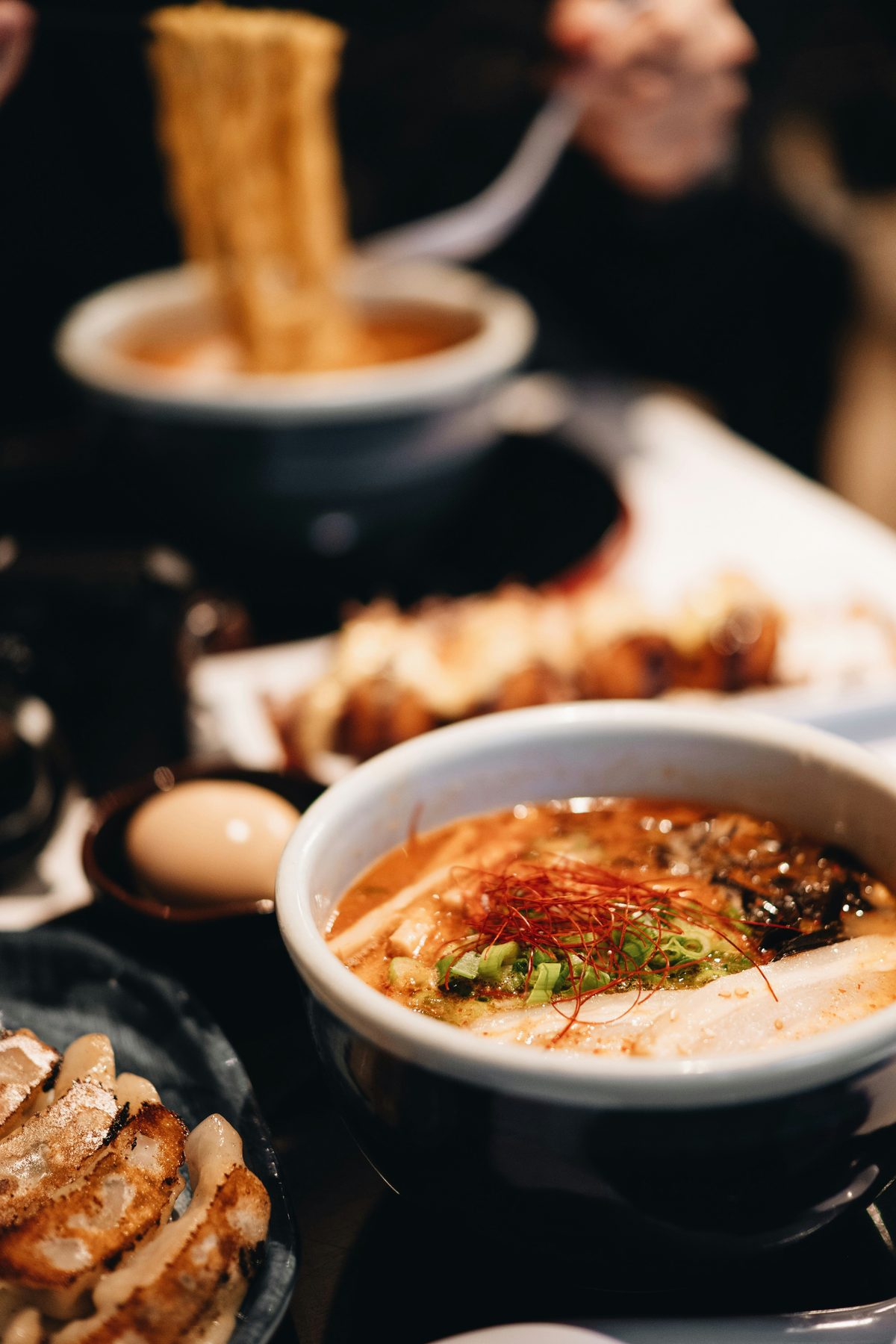
Every first-timer asks what dinner will be like. The honest answer: it will be heavier and more rural than you expect, and the pace will feel slow compared to Tokyo ryokan kaiseki. A typical gassho inn dinner starts around 18:00 by a sunken hearth called an irori, served over roughly 90 minutes. Expect seven to ten small dishes: a sashimi plate with river fish like ayu or iwana; a locally made miso called hoba miso, grilled on a magnolia leaf over coals; mountain vegetables including fiddlehead ferns and burdock; a small hot pot of Hida beef with winter greens; pickles sharper and saltier than city versions; rice from the host family's own paddy; and a simple dessert, often persimmon or a sweet-bean mochi.
Two things surprise guests. First, portions are substantial — the irori dinner is closer to a farmhouse harvest meal than a refined kaiseki. If you are a light eater, tell the host at booking and ask for the "light set" (軽めコース), which most inns will prepare for about ¥1,000 less. Second, breakfast around 07:30 is often as elaborate as dinner: grilled fish, natto, hot tofu, miso soup, a small salad, a soft-boiled egg, and rice, plus local pickles. Don't plan a heavy lunch on departure day — you won't be hungry until at least 13:00.
Dietary restrictions are hard in a gassho inn. Vegetarian is possible with about 10 days' notice but will involve mountain vegetables and tofu in every dish, with little variety. Vegan and gluten-free are genuinely difficult — the soy sauce, dashi, and miso bases are fundamental to the cooking. If you have strict requirements, consider a Takayama or Kanazawa day-trip structure rather than a village overnight, and eat at Kanazawa's vegan-friendly restaurants before or after.
Fourteen-day pre-departure checklist
- [ ] Reservation / ticket confirmed and paid
- [ ] Bus tickets or inn reservations screenshotted for offline access
- [ ] Waterproof snow boots (above-ankle) + three pairs of merino socks
- [ ] Down parka + thermal base layer + beanie + insulated gloves
- [ ] Minimum 10 hand warmers (village konbini sells out)
- [ ] Japan eSIM activated (mountain signal is variable)
- [ ] 20,000 mAh power bank + a hand warmer to protect it
- [ ] ¥15,000 cash reserve (some inns are cash-only)
For the eSIM that holds up best in the Shirakawa-go mountain valley, see the best Japan eSIM for 2026. For broader trip prep, the Japan essentials checklist covers winter insurance, Visit Japan Web and the cash-card-Suica balance. And for full Hokuriku snow-belt clothing strategy beyond what fits in this packing list, our Japan winter packing & clothing pillar guide covers the layered three-piece system and brand-specific picks.
Appendix: the official Japanese wording (click to expand)
The 41st-edition announcement of 2 September 2026 exists only in Japanese — the English and Chinese versions of the page return an empty article body. The lines this guide leans on are collected here so you can check them against shirakawa-go.gr.jp/events/441/ yourself.
1. Reservation-only, ticket-only, nothing sold on the day
当イベントは「完全事前予約制」となります。今回も「入場チケット制」を導入し、入場時に参加資格の有無を確認します。/当日は、入場チケットは販売しません。
2. The viewpoint is never sold separately
展望台チケットは、限定商品であることから、単体販売は行いません。展望台チケットをお持ちでない場合、いかなる理由においても、展望台まではあがれません
①イベント当日に「展望台チケット付きプラン」にて白川村内に宿泊する。②路線バス(濃飛バス、加越能バス、富山地鉄バス、北鉄バス、イルカ交通)事業者がそれぞれ販売する「展望台チケット付ライトアップイベントツアー」に参加する。※①、②共にチケット枚数には上限があります。
3. Lodging is a lottery; parking is first-come
公平を期すため、先着ではなく、「宿泊抽選方式」とします。
ライトアップ駐車場予約については先着順となります。募集は2回に分けて行い、それぞれ上限台数となり次第、予約を停止させていただきます。
4. The parking prices, and the no-refund rule
1回目募集(普通車のみ)2026年9月10日の13:00から販売開始…①1台あたり 6,000円(人数:1名~5名)②1台あたり 9,000円(人数:6名~10名)/2回目募集(普通車のみ)2026年12月1日の13:00から販売開始…①1台あたり 7,000円(人数:1名~5名)②1台あたり 10,000円(人数:6名~10名)
予約後の変更(人数変更は除く)、キャンセルはできませんので、ご注意ください。(返金不可)また、転売もできません。
5. The gate at 15:30, and the last bus out
15:30以降は、白川郷に入る際にゲートができる為、入場券をお持ちでない方は、白川郷に入ることができません。…15:20までに白川郷へ着くバスでお越しください。
白川郷発の路線バスの最終便は、ライトアップ開始前の16:00~17:00代です。ライトアップをご見学後、路線バスでお帰りいただくことができません。
6. The congestion calendar and the coach-park reservation rule
From Shirakawa Village's official overtourism site, SHIRAKAWA-Going (shirakawa-going.jp; bookings at parking.shirakawa-going.jp), verified 24 September 2026.
過去の駐車場の利用データをもとに3か月分の混雂予想をお伝えします
非常に混雂マークは、駐車場入り口まで2時間以上の渋滞となる可能性が高い日です
観光バスは2026年12月1日利用分より、完全予約制となります
Shirakawa-go Light-Up 2027 FAQ
- Q1:When is the Shirakawa-go (gassho village) light-up in 2027, and what time does it start?
- The official 2027 (41st edition) dates were published on July 1, 2026: four sessions — Jan 11 (Mon, holiday), 17, 24 & 31, all 17:30–19:30. This is a confirmed announcement from the Shirakawa-go Tourist Association, not an estimate. Same as 2026: four sessions. If you are expecting six, that was an earlier era of this event, not the current one.
- Q2:What are the Shirakawa-go illumination times?
- Every session runs 17:30 to 19:30 — a fixed two hours that is never extended, to protect residents’ daily life. All four 2026 sessions used this window, and 2027 is confirmed at 17:30–19:30 too, per the official announcement.
- Q3:Are the 2027 light-up dates announced yet?
- Yes — the dates on July 1, 2026, and the full booking procedure on 2 September 2026. Four sessions: Jan 11 (Mon, holiday), 17, 24 & 31, all 17:30–19:30. Read the announcement at shirakawa-go.gr.jp/events/441/. One thing to know before you click: the announcement exists in Japanese only. The /en/ and /zh/ versions of that page load but come back blank, so run the Japanese page through a translator rather than waiting for an English edition.
- Q4:How do I reserve and get tickets for the 2027 light-up?
- There is no ticket counter — the entry ticket comes bundled with whichever of the five official routes in you book, and none are sold on the day. Route 1, stay overnight inside Shirakawa village: a lottery, not a race. Apply by email from 13:00 on 1 October 2026, one application per person, closing 23:59 on 31 October, winners announced 10 November. Which inns and at what price is published at 13:00 on 1 October. Route 2, reserve a parking space at the Midashima lot: first-come, first-served, paid by credit card on the association site. Round one (¥6,000 per car for 1–5 people, ¥9,000 for 6–10) opened at 13:00 on 10 September 2026 and sold out the same day; round two opens 13:00 on 1 December at ¥7,000 and ¥10,000. No changes except party size, no cancellation, no refund, no resale. Route 3 is the same parking reservation arriving by taxi. Routes 4 and 5 are bus tours — from the five route-bus operators (on sale 14:00 on 13, 19, 26 October and 2 November, one session per date) or from travel agencies (links posted 13:00 on 2 December).
- Q5:Does reserving parking get me up to the viewpoint?
- No. The viewpoint ticket is never sold separately, and without one you cannot go up for any reason whatsoever — that is the official wording. Only two things carry it: an overnight stay in Shirakawa village on a plan that includes the viewpoint ticket, or a viewpoint-ticket tour from one of the five route-bus operators (Nohi, Kaetsunou, Toyama Chitetsu, Hokutetsu, Iruka Kotsu). Both are capped. If the viewpoint panorama is the shot you came for, book one of those two — a parking space will not do it. Tripods are banned at the viewpoint, viewing is split into three groups, and you cannot choose your slot. Travellers with mobility difficulties, wheelchair users and pregnant travellers can request a separate shuttle by phoning the association on 05769-6-1013 (9:00–17:00).
- Q6:Can I see the lights and then take a route bus home?
- No, and this is the mistake that wrecks whole itineraries. The last route bus out of Shirakawa-go leaves between 16:00 and 17:00 — before the lights even come on. Anyone who arrives by route bus must have a bed in the village, a reserved parking space, or a tour bus that waits. Second hard limit: from 15:30 a gate goes up at the entrance to Shirakawa-go and people without an entry ticket cannot get in at all, so day visitors coming by route bus need a service that arrives by 15:20. Also note the village taxi company does not operate on light-up days.
- Q7:What if I can’t get tickets?
- Three fallbacks: (1) book a bus tour from Takayama or Kanazawa, which carries your entry ticket and handles the snowy drive — but a travel-agency tour comes with no viewpoint ticket, so if the panorama matters, book a route-bus operator’s viewpoint-ticket tour instead; (2) visit on a non-illumination day, when the viewpoint needs no reservation and no ticket — pick the date off Shirakawa Village's official congestion-forecast calendar; (3) base in Takayama or Kanazawa and walk the village by day. The illumination night is not the only way to experience this World Heritage village — skipping it can get you closer to its everyday self.
- Q8:How do I get to Shirakawa-go (gassho village) from Tokyo, Osaka or Nagoya?
- Shirakawa-go has no railway — every route ends on a bus. Tokyo: Hokuriku Shinkansen to Kanazawa (~2h30) then Nohi Bus to Shirakawa-go (~1h20), or via Toyama. Osaka / Kyoto: limited express to Kanazawa (~2h45) then bus. Nagoya: JR limited express to Takayama (~2h20) then Nohi Bus (~50 min) — the cheapest route, and it pairs neatly with Takayama Old Town.
- Q9:Is a travel-agency day tour worth it?
- If you missed the tickets, it solves the one thing nothing else does: there is no route bus home after the lights. Four agency tours are on sale online, departing from Takayama or Nagoya, and they also spare you a snowbound drive and the IC traffic control. The costs: you run on the group clock, you get back late, and no agency tour carries a viewpoint ticket. The two KKday listings state their inclusions on the product page — light-up entry ticket included, viewpoint ticket not; for Klook and Trip.com the inclusions only appear once you pick a plan and a date, so check those plan pages before you pay. The most practical differences are the guiding language (the Nagoya departure is Japanese only) and the fact that the Nagoya tour's earliest date is 17 January 2027, so it does not sell the 11 January session.
- Q10:How do I book a gassho-style inn, and how early?
- For the four 2027 light-up nights you do not book at all — you enter the association’s lottery: email application from 13:00 on 1 October 2026, one per person, closing 23:59 on 31 October, winners announced 10 November. Inn names and prices are published at 13:00 on 1 October, and nothing you do before then improves your odds. On every other night of the year the inns take normal bookings and fill almost as soon as reservations open (the opening schedule varies by inn, so don’t rely on a fixed past date). Practical notes: most price by room or per person and rarely take solo travelers, so groups of three or four book more easily; some only accept fax or phone, which may need Japanese-language help. Staying in the village lets you see the lights up close and sidesteps the day’s traffic control.
- Q11:How cold is it — what should I wear?
- Village temperatures often sit around -8 to -3°C, and the viewpoint is colder in the wind. Wear a thermal base layer, a thick mid-layer, and a windproof-waterproof shell; waterproof snow boots (ordinary shoes soak through in deep snow); plus a beanie, gloves and hand warmers. Batteries drain fast in the cold — keep your phone and spares in an inside pocket with a hand warmer.
- Q12:How different is an illumination day from a normal snow day?
- The difference is those two hours, 17:30–19:30: on illumination nights every gassho roof gets warm uplighting — the globally famous snow-and-light scene — while on a normal night the village is almost fully dark. Daytime scenery is identical. If you only want snow scenery and don’t need the lights, any day from late January through February works and is far less crowded, with no tickets required.
- Q13:Can I drive to Shirakawa-go for the light-up?
- Only with a reservation. On light-up evenings the one place you may park is the designated Midashima lot, booked in advance on the association site. Round one (¥6,000 per car for 1–5 people, ¥9,000 for 6–10) sold out on its opening day, 10 September 2026; the remaining chance is round two at 13:00 on 1 December, at ¥7,000 and ¥10,000. Standard cars only — microbuses and larger, and camper vans, are refused — ten people per car maximum, entry from 15:00 and everyone out by 20:00. Book for 1–5 people and turn up with six or more and you pay another ¥4,000 on the spot; book for 6–10 and turn up with five, and you get nothing back. Studless winter tyres are compulsory. On non-illumination days you can drive in freely, but snowy roads need winter tyres and some skill. If that sounds like hassle, take a bus tour.
Read next
JR Pass 2026: Is It Still Worth It?
Four real routes calculated, six alternatives that may beat the Pass.
Japan trip prep checklist
eSIM, Visit Japan Web, tax-free, insurance — done in one read.
Best eSIM for Japan 2026: 5 Brands Compared
Airalo, Ubigi, KKday, Holafly and Jetfi compared on coverage, price and speed. Honest ranking.